games
STJV Alleges Microsoft’s Hiring Freeze Delayed Arkane’s Blade

 Add Gaming.net to your preferred sources on Google
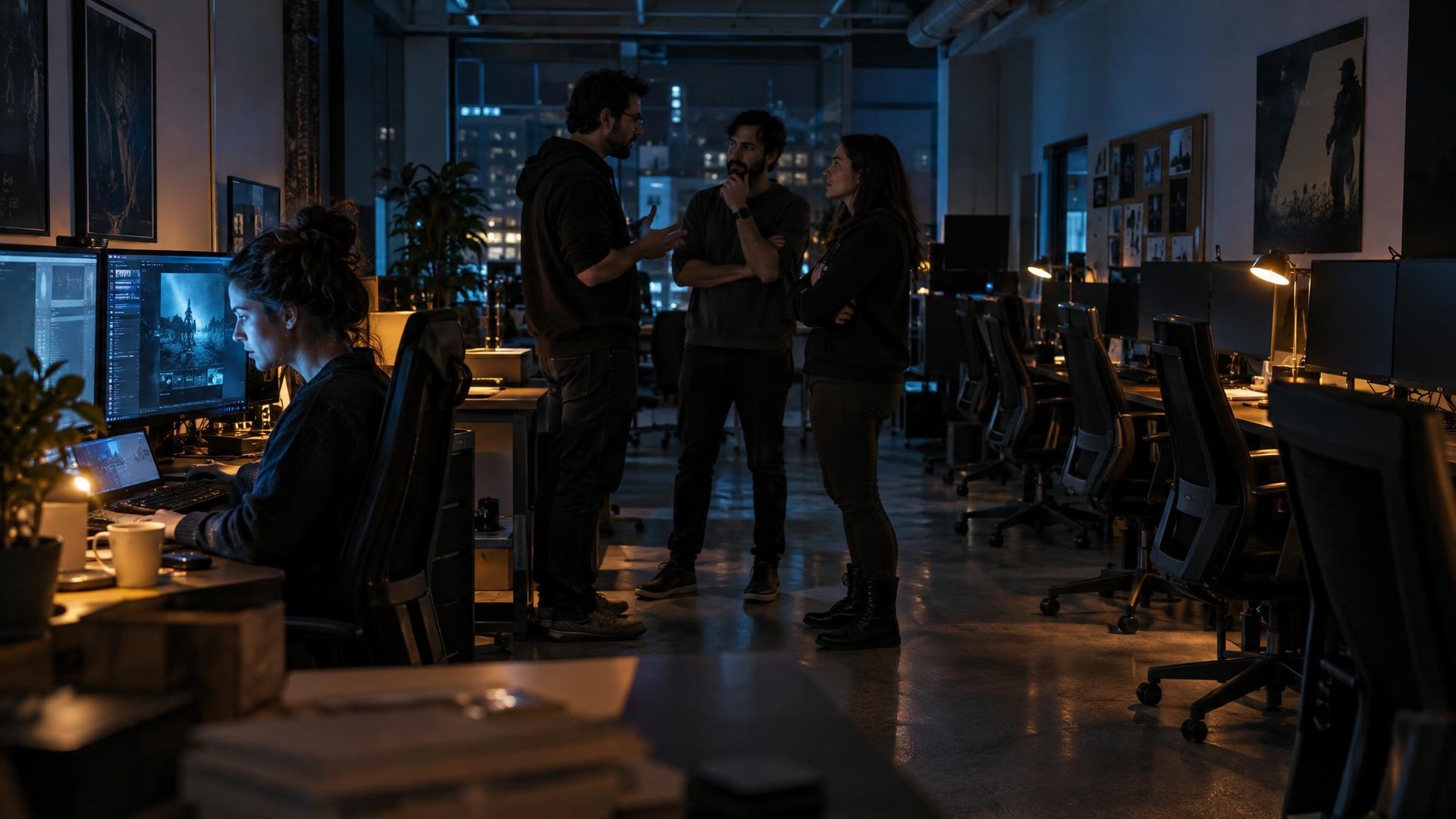
The Syndicat des Travailleureuses du Jeu Vidéo (STJV) accused Microsoft in a November 4, 2026 statement of imposing a 19-month hiring freeze that delayed Blade and increased costs, then using those problems to justify Arkane Studios’ potential closure. Its demands include worker influence over any sale and substantially stronger protections if the studio shuts down.
STJV said work on Blade is going well and that its expected quality matches what Arkane players have come to expect. The studio could nevertheless close solely because Microsoft has decided to close it, even at the expense of the game Microsoft funded. Workers are simultaneously enduring production pressure, the search for a buyer and anxiety over their jobs.
The union’s press warning came two weeks before the statement, and Microsoft subsequently granted an additional month for the process. STJV regards that extension as progress but insufficient, leaving the underlying dispute over Arkane’s future and redundancy support unresolved.
Hiring Freeze at Centre of Dispute
The hiring freeze is therefore central to the sabotage allegation. STJV argues that Microsoft artificially produced the delay and additional cost, then used both as economic grounds for closure, making the company responsible for the rationale behind its own decision.
STJV also challenged Arkane’s treatment as a cost centre, citing the absence of its previous games from company results, the systematic transfer of remaining cash to the group through cash pooling, and its assessment that closing Arkane immediately would probably cost more than finishing Blade.
The union placed the decision within what it described as Microsoft’s pursuit of short-term financial goals and profit optimization. Its bottom-line argument was blunt: “Arkane is profitable. Just not profitable enough for Microsoft.”
Buyer Process and Worker Demands
French law gives Arkane an opportunity to find a buyer. STJV wants the studio to survive, finish and release Blade and continue making games, citing its 25-year history, many successful games and internationally recognised talent. That ambition does not extend to continuing regardless of the cost to workers: if no solid offer emerges, Arkane will have to close.
Closure would put 217 workers out of work, while contractors, freelancers and technicians who support daily operations would also be exposed. STJV describes the total exposure as hundreds of workers and considers the proposed redundancy resources inadequate for the scale of the potential job losses.
For a sale, STJV’s demands include an actual role for employee representatives and unions in choosing the buyer, beyond the mandatory works council consultation, and a protection fund matching redundancy-plan compensation for workers dismissed for economic reasons by the buyer during the 24 months after a sale.
If Arkane closes, the demands are a €200,000 redundancy payment, two years of redeployment support funded by Microsoft, shared resources for training and studio creation with a residual bonus, and compensation up to the redundancy payment for breaches of independent workers’ contracts.
For STJV, the buyer process therefore presents two tests: whether a solid offer can sustain Arkane beyond Blade, and whether employees will have meaningful influence and protection under that buyer. Without such an offer, the focus shifts to the cost of closure, connecting the union’s allegation that Microsoft created the delays and financial pressure to its demand that Microsoft fund the consequences.