Reviews
Resonance: A Plague Tale Legacy Review (PS5, Xbox Series X/S, & PC)

No one tells heartbreaking stories like Asobo Studio, at least ones that anyone who stumbles upon them can universally agree to be deeply disturbing and scarring on the soul. But it’s the very fact that the studio reaches so deep into your emotional core that they have established a name for themselves in gaming. Through their first game, A Plague Tale: Innocence, the studio earned several nominations and awards, including ones for best narrative, spectacular art direction, and sound design. The sequel, A Plague Tale: Requiem, follows a similar artistic and design path, notably leaving a mark on the caliber of narrative and music that we’re looking for in emotional, historical fantasy, action-adventure games like these.
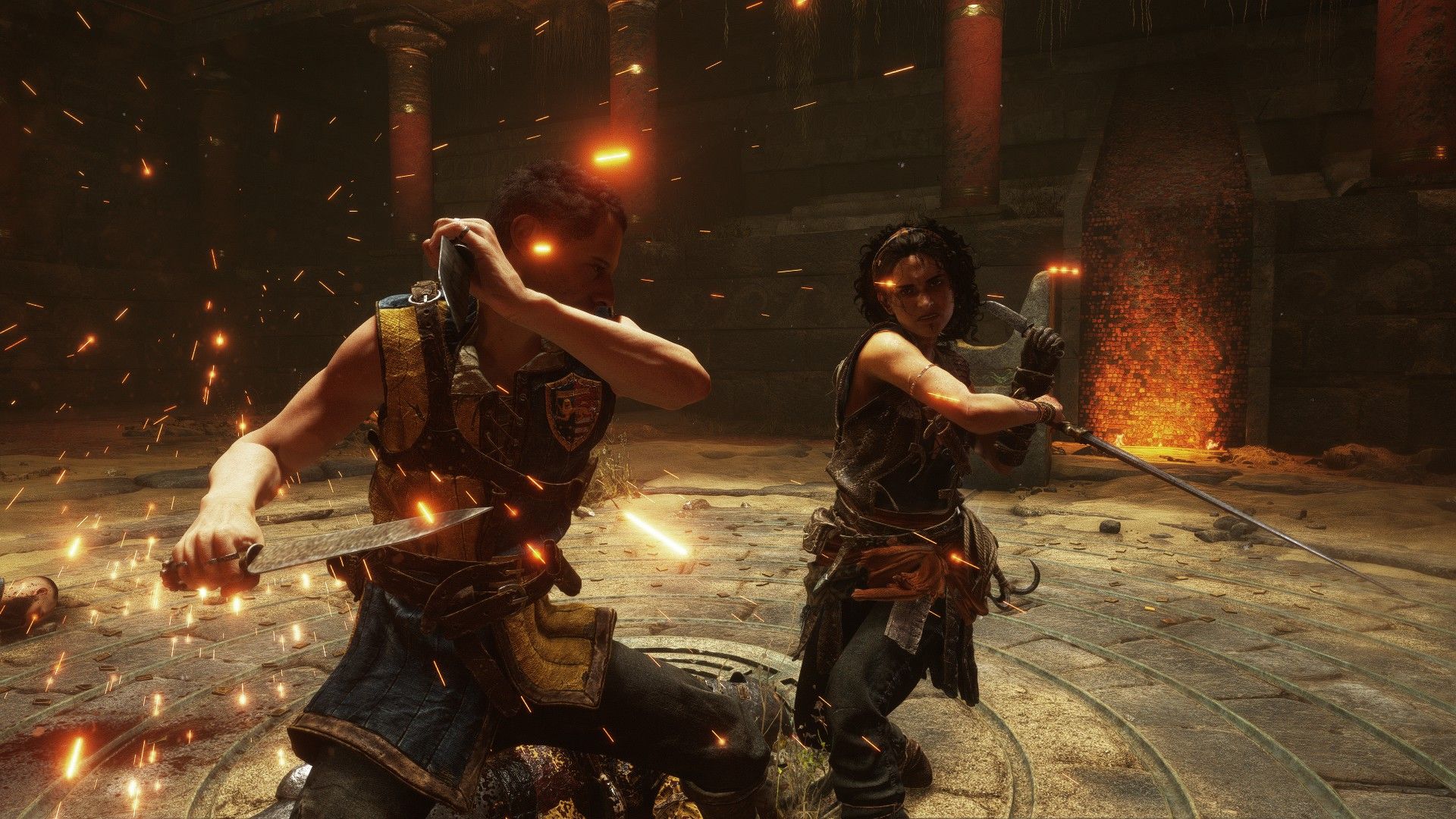
But tell me you weren’t hoping that Asobo Studio tried something new on their next outing. I know, for one, that I was expectant of playing through something I hadn’t seen before. It was time, especially when Requiem tragically wraps up Amicia and Hugo’s story. It was time to reboot my heart and soul for another tearjerker story, hopefully not too depressing. The first and second games do enough to run my tear glands dry. And thus, Resonance: A Plague Tale Legacy was born. It’s destabilizing, at first, because Asobo Studio really does shift the narrative to a new protagonist and setting. Plus, the studio changes the gameplay from stealth to a more melee-focused tussle with human and monster enemies alike.
Does the risk pay off? That’s what I’m here for, exploring all that works favorably, and not so, in my review of Resonance: A Plague Tale Legacy.
New Directions
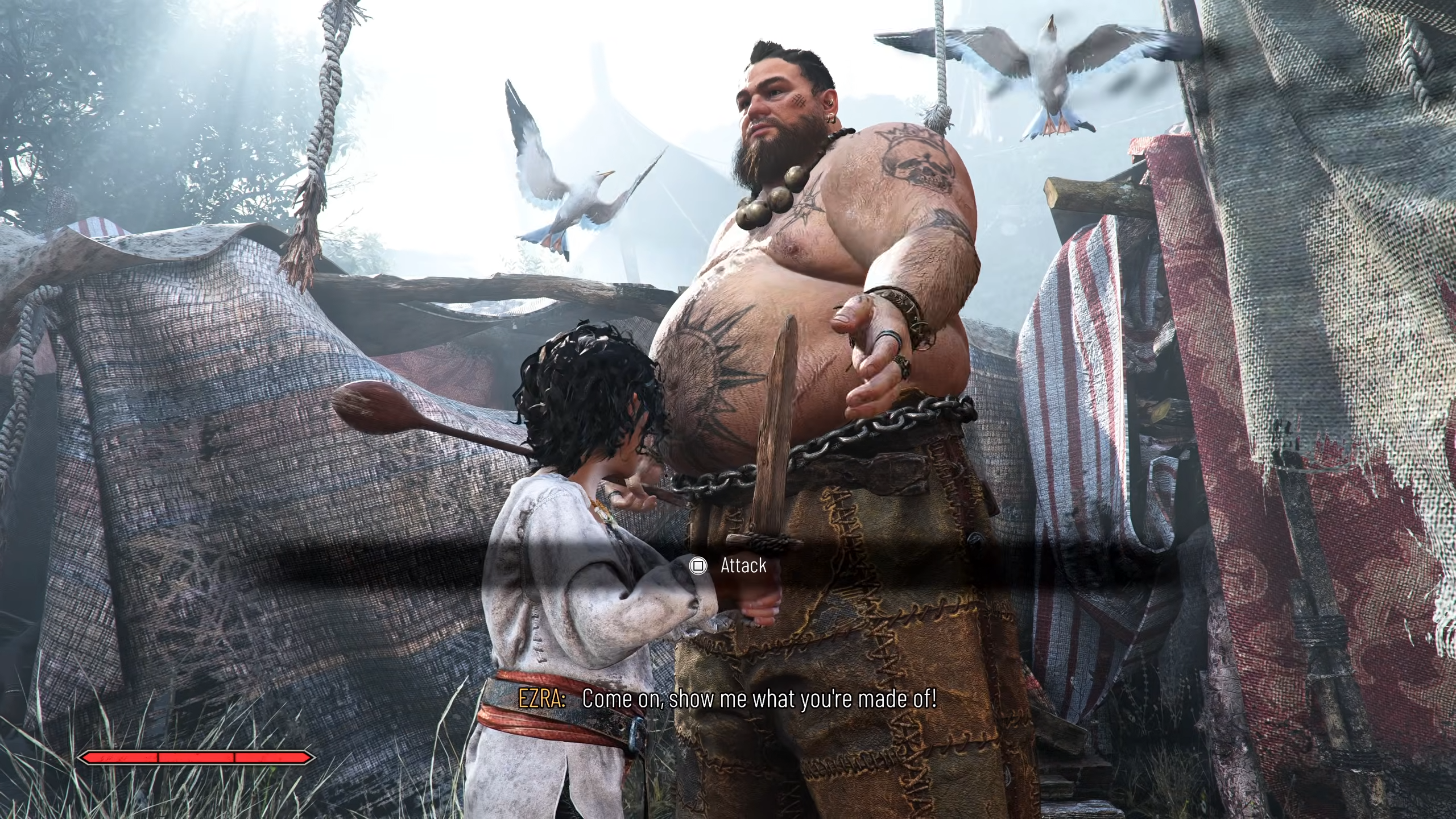
This is how franchises are born through expanding on the story and setting. You dig deeper into side characters and how they fit into the overall narrative. You don’t always have to control the same protagonists, with developers often picking the oddest characters to steer the franchise forward. It only has to be done right, given an already high bar set by previous entries. In A Plague Tale’s case, we followed the story of siblings Amicia and Hugo. While they are of noble heritage, they are forced into a life on the run, looking for the cure to a destructive curse. It’s a depressing story set in an even more torn world. But it’s in these devastating moments among the siblings and in the ravaged environments that the first two games carve their place among the best action-adventures of all time.
A huge part of your playthrough is using light to evade the darkness and the monsters it unleashes. You’re hardly warriors capable of defending yourselves against attacks. And so, your only resolution is to avoid danger, crouching and moving as slowly as possible. And the rats, of course, which play a major role in your survival. They are simulated in hordes that will put the fear of God in you, especially when you have rat phobia. And when Hugo unlocks the ability to control the hordes, at the expense of his own health, things get dangerously unforgettable. I’m going in-depth into the mechanics of the first two games because they are like nothing we’ve seen before. Still, I was happy to march to a different tune by the time Resonance: A Plague Tale Legacy came around.
Fates Intertwined
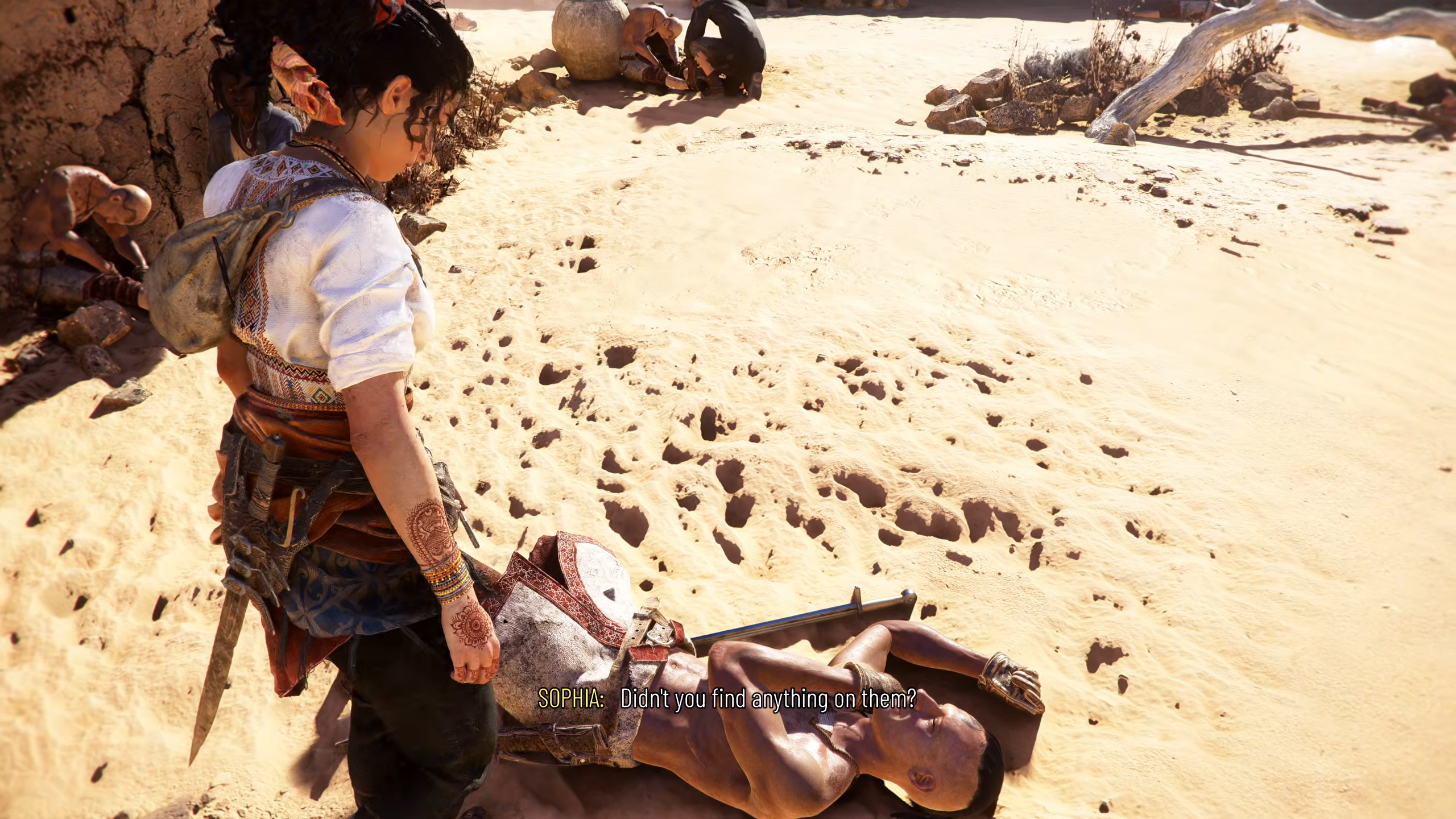
The first change you’ll notice is that the setting is different, and so are the characters. We’re 15 years before the events in Requiem. However, the protagonist, Sophia, did appear in Requiem, helping to smuggle Amicia and Hugo across the sea. Her background was unclear then, but not anymore, as Resonance: A Plague Tale Legacy delves into Sophia’s early life. I won’t go too deep into the story to avoid giving any spoilers. But, if I may give you a bird’s eye view, there are a number of significant events that unfold during Sophia’s teenage years. Her father is a smuggler. Her mother, fearful that Sophia will follow the same path, sends her to a monastery. It’s at the monastery that Sophia begins to have visions of the past. This is the “Resonance” the title describes, of Sophia experiencing the past through the eyes of a Greek hero, Theseus.
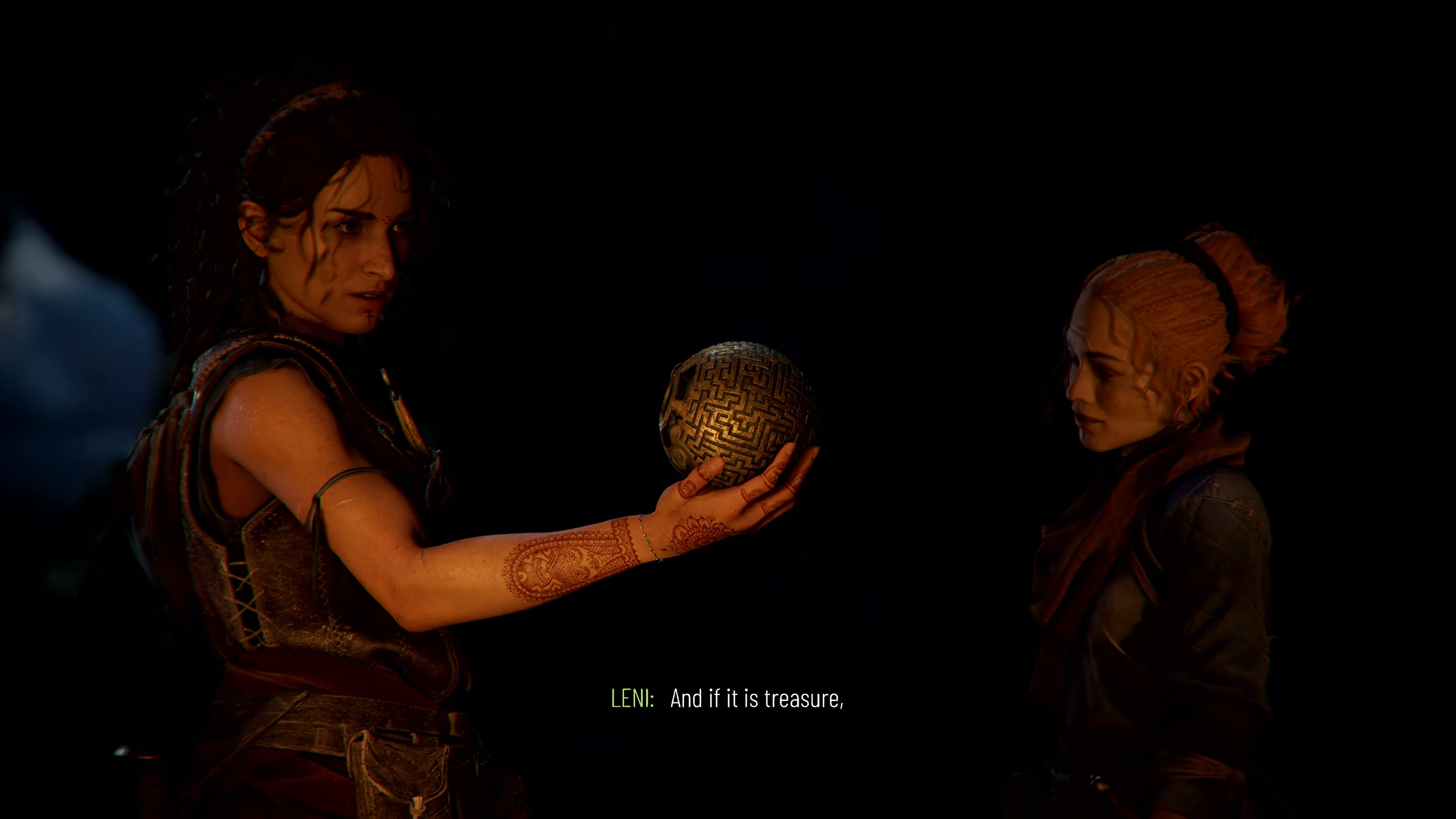
The visions reveal a secret island full of treasure, but also a dangerous creature called the Minotaur. And onward, the treasure hunt begins, initially by Sophia’s townsfolk, but eventually plummets to Sophia and her companion, Leni. The dynamic between Sophia and Leni is a refreshing arc. It’s a playful and relaxed sidebar that gives Resonance: A Plague Tale Legacy a different tone from the gut-wrenching rollercoaster we’re used to. I’d have loved to see a relationship just as strong between Sophia and Theseus, given it’s the “Resonance” referenced in the title. How are they alike? And what exactly has linked them together, centuries apart? You probably know Theseus from Greek mythology, and the Minotaur. So, I imagine Greek enthusiasts will also have a keen interest in seeing Theseus’ character explored further, even if through a new lens.
When Tables Turn
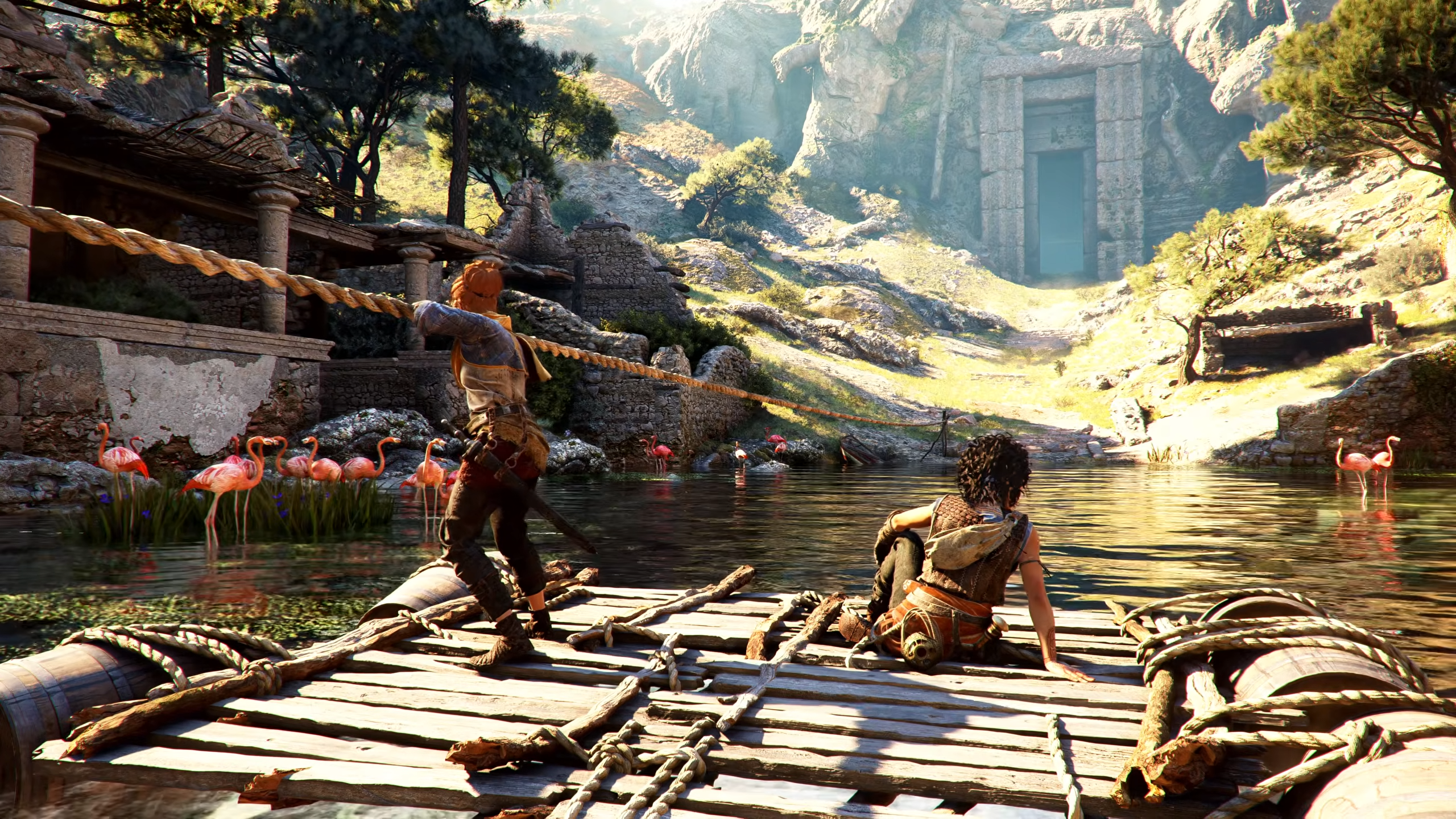
There’s much more to unravel in the story that I couldn’t cover it all here. It’s a surprising twist of events that takes you away from the tropical paradise of your home into the depths of intimidating tombs and catacombs. Your curiosity is almost always at the peak of wanting to find out more. And even in the second half, you’re still discovering new surprises that add more to an already rich story. Who am I kidding? This is what Asobo Studio does best, and I didn’t expect anything less. The writing is strong and creative, banter between Sophia and Leni can lift your spirits before things get rocky. And it’s supported by strong voice acting and performance, as well as stellar sound design.
Resonance: A Plague Tale Legacy is a joy to explore, even if it remains a linear experience, funneling you to the places it has carved out for you. While some areas give you more room to breathe, others are claustrophobic and drenched in darkness. It can be a struggle to see what’s in front of you, which amplifies the tension, especially when you discover the creature that haunts Minotaur Island and has kept adventurers and treasure hunters at bay. Theseus was here before you, facing the same trials and tribulations that you’re about to go through. And from the story, it’s clear that your fate is intertwined. In Greek mythology, Theseus is known as the Greek hero who killed the Minotaur. But as you forge deeper into the Minotaur’s quarters, you can’t help dreading the final battle.
Hush Hush
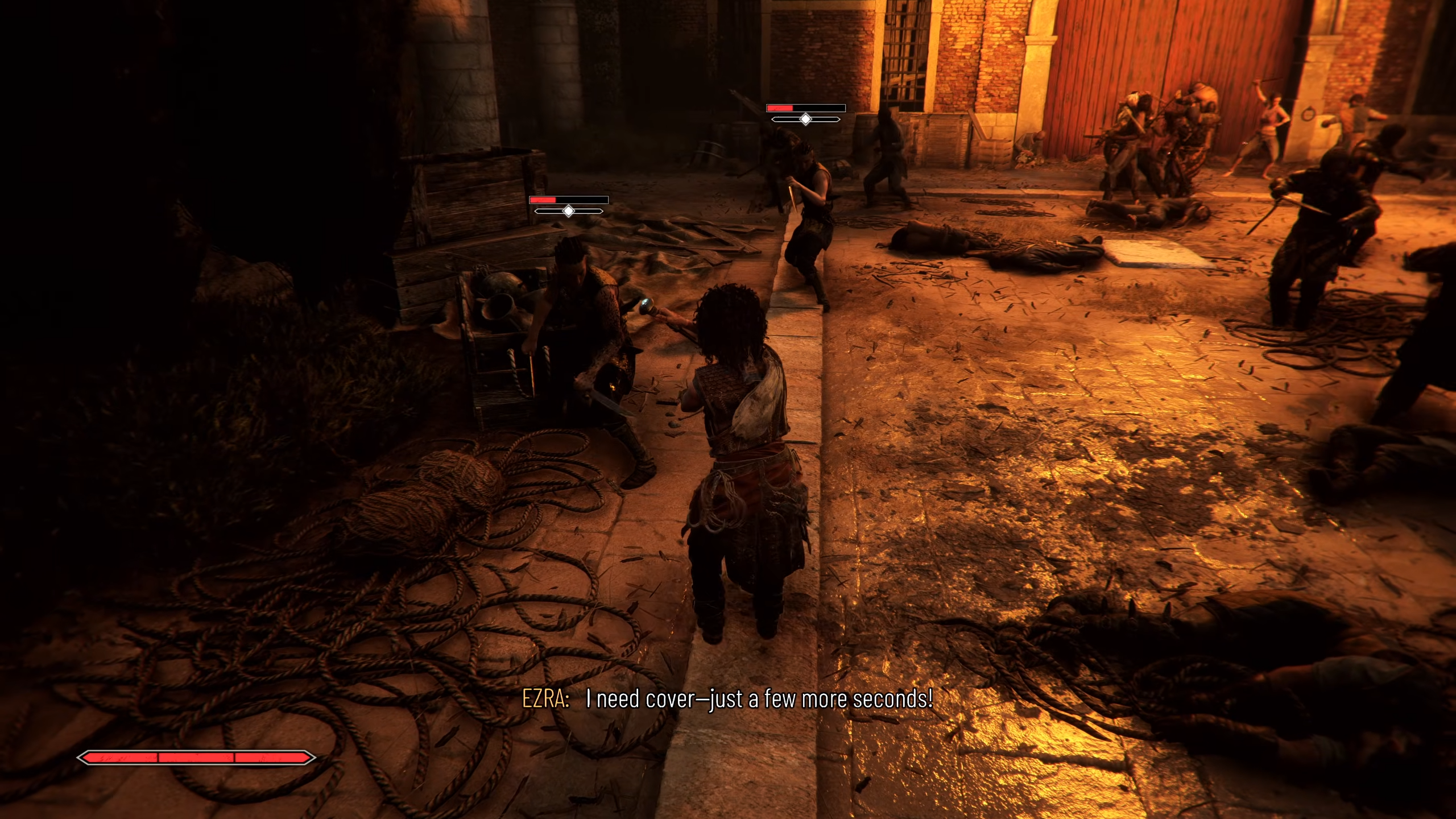
Deeper into Minotaur Island’s belly does the adventure grow more tense, and also, where stealth becomes paramount. Previously, you could wield your sword and dagger against enemies, breaking their shields and stance in single attacks, and dodging, blocking, and parrying incoming ones. You have a kick, too, that feels pretty good when striking enemies through the walls or off the ledge. As well as a grappling hook that can get you around the island, but it can also latch onto faraway enemies, hauling them in for a final blow. It’s a sufficient enough melee system. Nothing too crazy, that’s precise enough and streamlined to only what matters most. The stealth sections, though, are where your blood will run hot.
Things will get increasingly horrifying, and clear as day that your sword and dagger are no good against what creeps in the darkness. And because Asobo Studio won’t be caught making it easy for you, they have created a special kind of dust that leaves the impressions of your footprints behind, footprints that whatever monster is stalking you can track down. Your solution? Crouch. Hide. Or when you have nowhere safe to hide, run for your life because it does, indeed, depend on it. It’s an interesting juxtaposition between the melee segments when you feel in control and descending into the Minotaur Island, where you’re helpless and afraid. And that’s really the secret ingredient that Resonance: A Plague Tale Legacy uses to make every bite unforgettable.
Verdict
Resonance: A Plague Tale Legacy is a different game from its predecessors, for the most part at least. The stealth sections are reserved for the second half, when things get truly frightening. And the earlier segments are more action-oriented, focusing on melee sword strikes and parries. It’s a system that works surprisingly well, especially because the story that wraps it all together continues in the series’ emotive and strong writing legacy.
Asobo Studio is already a master of environmental storytelling, which is again nailed perfectly in Resonance. Exploring Ancient Greece is worth every second of your time, through the eyes of a young Sophia who hasn’t got a clue what she signs up for when she ventures into Minotaur Island. Such is the price you pay for seeking treasure in places no one dares enter.
Resonance: A Plague Tale Legacy Review (PS5, Xbox Series X/S, & PC)
Like Theseus Did
The Greek hero, Theseus, is known for slaying the Minotaur. Centuries later, you begin to see visions of the Minotaur Island through the eyes of Theseus. Resonance: A Plague Tale Legacy is an exercise in bravery, followed by crushing terror. It’s very A Plague Tale coded in several forms, but also writes its own story and identity, taking the series in a new melee-focused, action-oriented direction.




