Best Of
10 Best Roguelike and Roguelite Games
Explore ten standout roguelike and roguelite games, from Hades II and Balatro to action adventures built around satisfying repeat runs.

 Add Gaming.net to your preferred sources on Google
A good run-based game gives failure something useful to teach you. These ten picks include traditional roguelike ideas and more forgiving roguelite structures, with permanent progression, action, and card systems providing different reasons to return. The title names both categories because they are not interchangeable. The selection favors games with a clear identity, so you can choose between precise movement, a clever deck, and a character whose next attempt feels different for a useful reason.
Repeatable decisions, distinct run structures, and honest genre distinctions guide the list. For a related angle, see our Best Deck-Building Games on PS5 guide.
10. Risk of Rain 2
Surviving an alien planet means fighting, moving, and deciding how much more equipment to collect before leaving an area. Items combine into increasingly unusual builds, while continuing danger keeps the search from feeling free. Different survivors change the way a run plays. Choose it for an action-focused roguelite that can also become a cooperative outing. Your plan needs to account for time and positioning, not only the number of useful objects in your inventory.
Official promotional video — Gearbox. Watch on YouTube.
9. Spelunky 2
A trip into the caves becomes a lesson in how traps, creatures, and your own decisions interact. Levels change between runs, but the rules remain consistent enough for experience to matter. That balance makes improvisation feel earned rather than arbitrary. Choose it if you enjoy short, dangerous attempts that reveal a little more each time. A mistake can end a run quickly, although it often also explains exactly what you should notice on the next one.
Official promotional video — PlayStation. Watch on YouTube.
8. Rogue Legacy 2
Rogue Legacy 2 gives repeated attempts a family-history framing, with each new heir bringing another chance to explore and improve. Permanent progression helps a failed run contribute to the larger journey, while different classes change how you approach a room. It is a good recommendation for players who like platforming but want tools to soften the learning process. Its House Rules options are particularly worth examining if the default challenge is frustrating. Adjusting a setting to suit you is a practical way to learn, not a reason to abandon the game.
Official promotional video — CellarDoorGames. Watch on YouTube.
7. Returnal
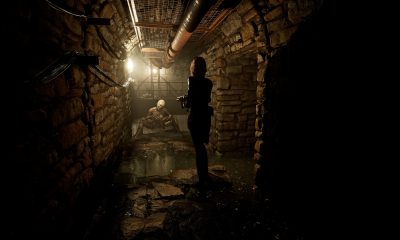
Selene’s crash on a hostile alien world begins a cycle in which progress and repetition become closely connected. Fast movement, reading attack patterns, and making useful equipment choices drive the action. It is a shooter with roguelike structure rather than a turn-based character builder. Choose it if you want a demanding run to feel immediate and physical. The setting provides a mystery as well, but understanding every narrative detail is not required to appreciate the next difficult encounter.
Official promotional video — PlayStation. Watch on YouTube.
6. Monster Train 2
A train carrying something worth defending becomes the stage for battles spread across several floors. Your deck supplies both creatures and spells, so placement affects how an enemy survives the trip through your defenses. Mixing factions creates room to explore different combinations without changing that central idea. Choose it for a deckbuilder where the board matters as much as the hand. A promising card becomes more interesting when you have found the right place to use it.
Official promotional video — PlayStation. Watch on YouTube.
5. Balatro
Balatro borrows poker hands and turns them into a single-player puzzle about reaching increasingly demanding score targets. Jokers, upgraded cards, and other modifiers change which hands are worth pursuing, so learning ordinary poker is only the beginning of understanding a run. There is no plotted adventure to follow; the tension comes from making a fragile idea work for one more round. It is the strongest pick here if experimentation is more appealing than fantasy combat. The game does not involve wagering real money. Storefront editions and subscription versions can differ, so choose the mobile listing that matches how you want to access it.
Official promotional video — PlayStation. Watch on YouTube.
4. Slay the Spire 2
A climb through the Spire becomes a sequence of decisions about cards, risks, and the route ahead. Combat is turn-based, but building a workable deck matters just as much as choosing the next move. The sequel gives familiar ideas new characters and combinations to explore. Choose it for strategic experimentation in sessions that can end badly without wasting everything you learned. Its attraction is understanding a run, not collecting every possible card into one oversized deck. It is offered in Early Access, so its content and systems can change during development.
Official promotional video — Mega Crit. Watch on YouTube.
3. Dead Cells
Dead Cells is a roguelite action platformer, not a traditional Soulslike. It earns a place among the alternatives because its demanding combat and repeated attempts reward learning enemies and managing risk. Runs change, so the structure is different from methodically reclaiming progress through a fixed world. Choose it if you enjoy the combat-learning side of Souls games but want faster action. Different mobile editions and content packages exist, so compare the publisher and included expansions before purchasing rather than relying on a familiar icon alone.
Official promotional video — PlayStation. Watch on YouTube.
2. Hades
Hades makes a failed escape attempt part of a continuing story, so returning to the hub often brings a conversation or another small piece of progress. Permanent improvements and different weapons give you practical ways to approach the next run differently. God Mode is worth considering if you want help while learning the combat rather than waiting until frustration takes over. It is an especially good choice when characters and narrative give you a reason to keep trying. You can focus on understanding one weapon before worrying about elaborate boon combinations.
Official promotional video — Supergiant Games. Watch on YouTube.
1. Hades II
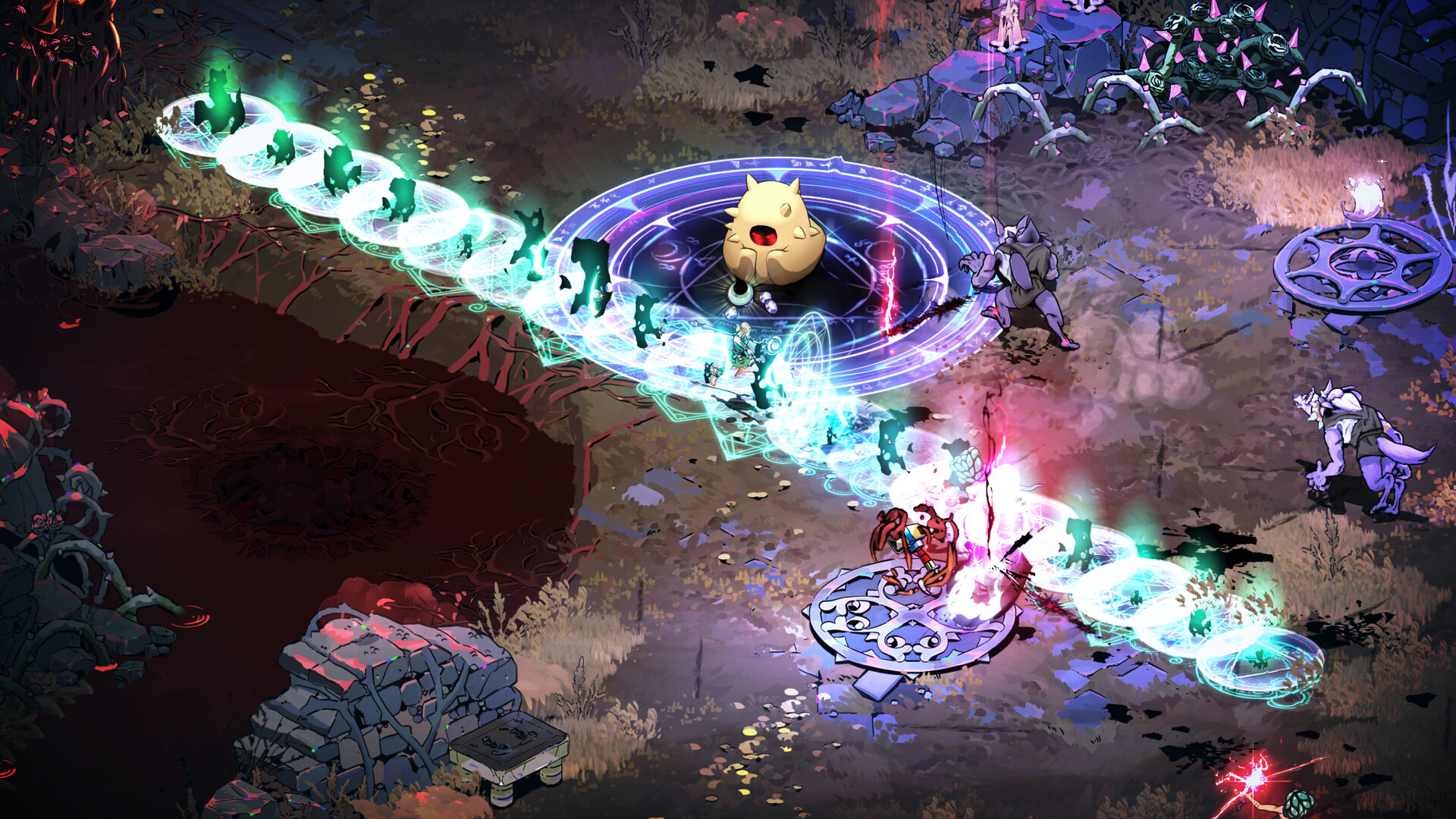
Hades II follows Melinoë, a witch and princess of the Underworld, as she prepares to confront the Titan of Time. Each attempt combines fast combat with choices about weapons, magic, and divine help, while conversations make returning from a failed run feel like part of the story. It is a strong recommendation if you want repeated dungeon expeditions to reveal more than another item tier. The characters are introduced through the adventure, so knowing the first Hades enriches the setting without being a prerequisite. This is a single-player roguelike dungeon crawler, with a different rhythm from the long-lived loot characters elsewhere on this list.
Official promotional video — Supergiant Games. Watch on YouTube.
Which Should You Choose?
Hades and Hades II connect repeated attempts to character and story. Slay the Spire 2 and Balatro favor planning, while Returnal and Spelunky 2 ask more of movement and execution. Choose the kind of learning you want the next run to reward. For another direction, our Best Deck-Building Games on Xbox guide offers a different set of options.