Betting
Turkey Opens Proceedings Against 177 Suspects in Illegal Betting Crackdown

 Add Gaming.net to your preferred sources on Google
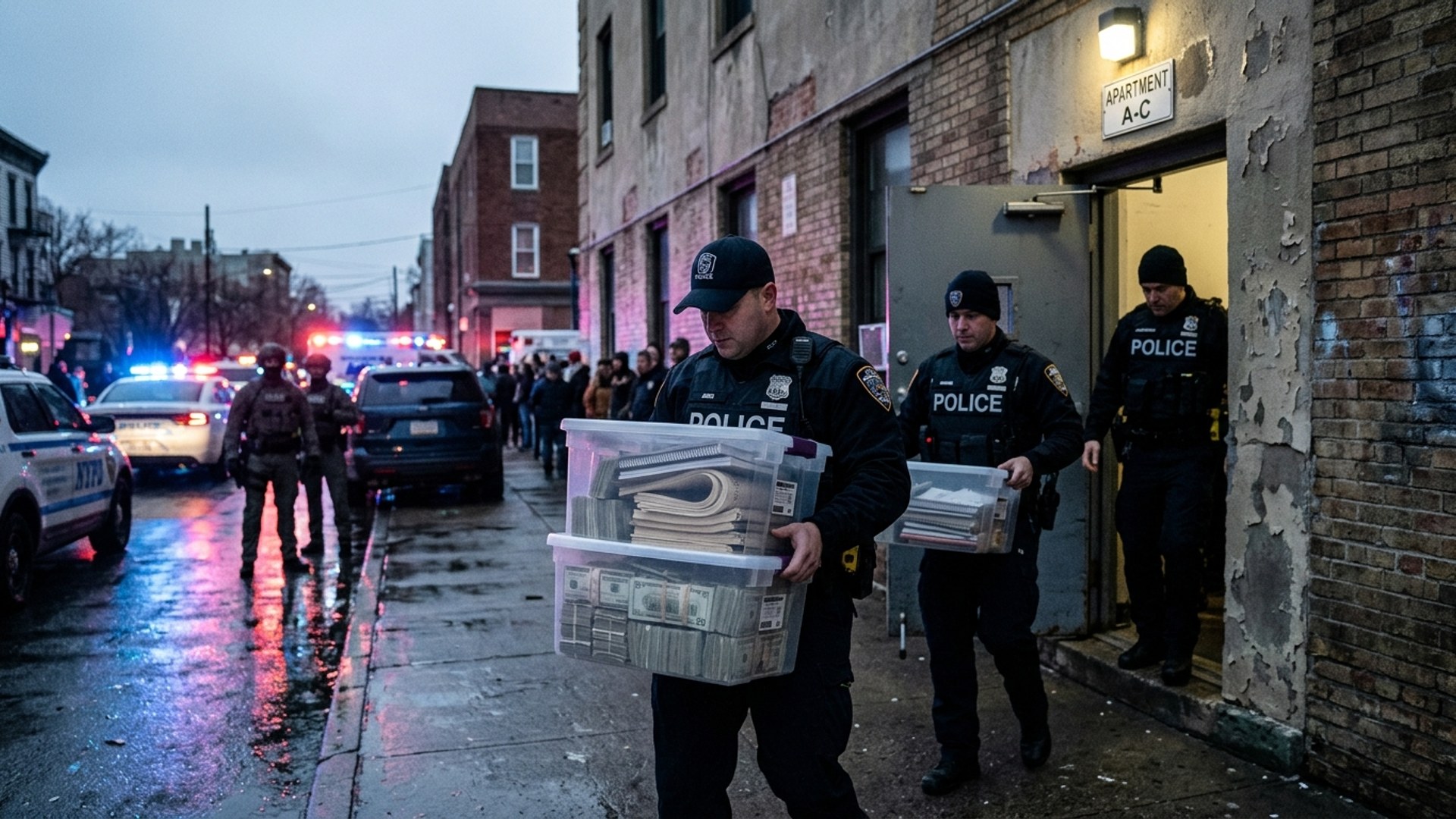
Turkey’s Interior Ministry announced on September 14, 2026, that authorities had initiated proceedings against 177 suspects in illegal betting operations centred on eight provinces, with the Financial Crimes Investigation Board (MASAK) determining 17.75 billion Turkish lira in money movement across the suspects’ bank accounts.
Operations Centred on Eight Provinces
Provincial gendarmerie commands carried out the operations under the coordination of the Gendarmerie General Command’s anti-smuggling, organised crime and cybercrime departments, together with MASAK and chief public prosecutors’ offices. The operations were centred on Adıyaman, Çorum, Konya, Manisa, Muş, Muğla, Siirt and Tekirdağ.
The ministry said the suspects were determined to have offered illegal betting through internet sites, mediated illegal money transfers and introduced criminal proceeds from illegal betting into the financial system through various methods.
The operations also resulted in the seizure of a large amount of digital material, the ministry said. The ministry congratulated the gendarmerie, the coordinating departments, MASAK, the chief public prosecutors’ offices and others who contributed to the operations.
Communications Panel on Illegal Betting and Gambling Addiction
The operations were announced after the Republic of Türkiye Directorate of Communications held a panel titled “Say No to Addiction! Combating Illegal Betting and Gambling Addiction” on September 10, 2026. Vice President Cevdet Yılmaz and Head of Communications Burhanettin Duran delivered the opening remarks. Prof. Merih Altıntaş, a member of the Scientific Board of the Turkish Green Crescent Society, moderated the single-session panel, whose speakers were Council of Higher Education president Prof. Erol Özvar, Radio and Television Supreme Council president Mehmet Daniş, Deputy Minister of Interior Ali Çelik, MASAK head Hasan Kaymak and Turkish Green Crescent Society president Assoc. Prof. Mehmet Dinç.
Çelik told the panel that addiction has two aspects, supply and demand, and said the two areas are integrated with one another. “Both areas feed each other,” he said. “An imbalance in one creates difficulties in managing the process in the other.”
The deputy interior minister said authorities had dismantled nearly 40 illegal betting gangs in the first eight months of 2026, with financial transactions carried out by the groups amounting to nearly 60 billion Turkish lira. He said more than 800 operations had taken place in the first eight months, while the average for the previous five years was around 250, an increase he described as threefold.
Çelik named reward-based games as one of the main factors behind gambling addiction and said that if the sector could be eliminated, the funds flowing into the hands of the next criminal organisation would be minimised.
Kaymak said MASAK would not allow the financial system to be exploited by criminal organisations and would resolutely continue the fight to prevent citizens from being drawn into criminal networks. He said the organisations approach young people experiencing psychological and economic difficulties with enticing offers, sometimes providing a luxury phone and sometimes money, making young people an integral part of the process. Addressing the culture of making easy money, he said that explaining to young people that easy money benefits no one would save considerable time and labour and prevent the loss of human resources.
Daniş pointed to the rapid growth of digital broadcasting and online media and the increasing presence of mobile phones and tablets in children’s lives. He said the Radio and Television Supreme Council could not tolerate the normalisation of illegal betting content through media and digital platforms or its increased visibility through advertising and sponsorships, and that the council had done its part within the authority vested in it by law and as part of its social and public responsibility but would do even more in the period ahead. He also stressed the importance of media literacy training in raising awareness among young people.
Özvar said the fight against illegal betting and gambling addiction could not be deferred, left to periodic campaigns or entrusted to a single institution, and required shared responsibility from families, schools, universities, public institutions, media, digital platforms, civil society organisations and local authorities. He cited the Smoke-Free Campus and Sports-Friendly Campus initiatives as guidance in the fight against addiction and said campuses should become centres of science, sports, the arts and vibrant social life.
Dinç said gambling debt can cause people to give up their jobs, relationships, health, financial means, assets and even their lives, and he noted an increase in suicide cases among individuals addicted to gambling. He said more than 50 percent of free games published on social media are funded by the gambling industry. “The gambling industry uses games, combines them with gambling, and uses them as a bridge to gambling,” he said.
Dinç said combating demand is as important as combating supply and that merely shutting down websites is not enough, describing an ecosystem that starts with advertisements and continues through social media, sporting activities, influencers, games, mobile applications, payment systems, loans, bets, losses, debt and continued betting. He said it is crucial to provide education to both children and parents from an early age, pointing to a gaming culture that begins in childhood.