games
SAG-AFTRA Contract Lets Game Developers Hire Performers for Pitches

 Add Gaming.net to your preferred sources on Google
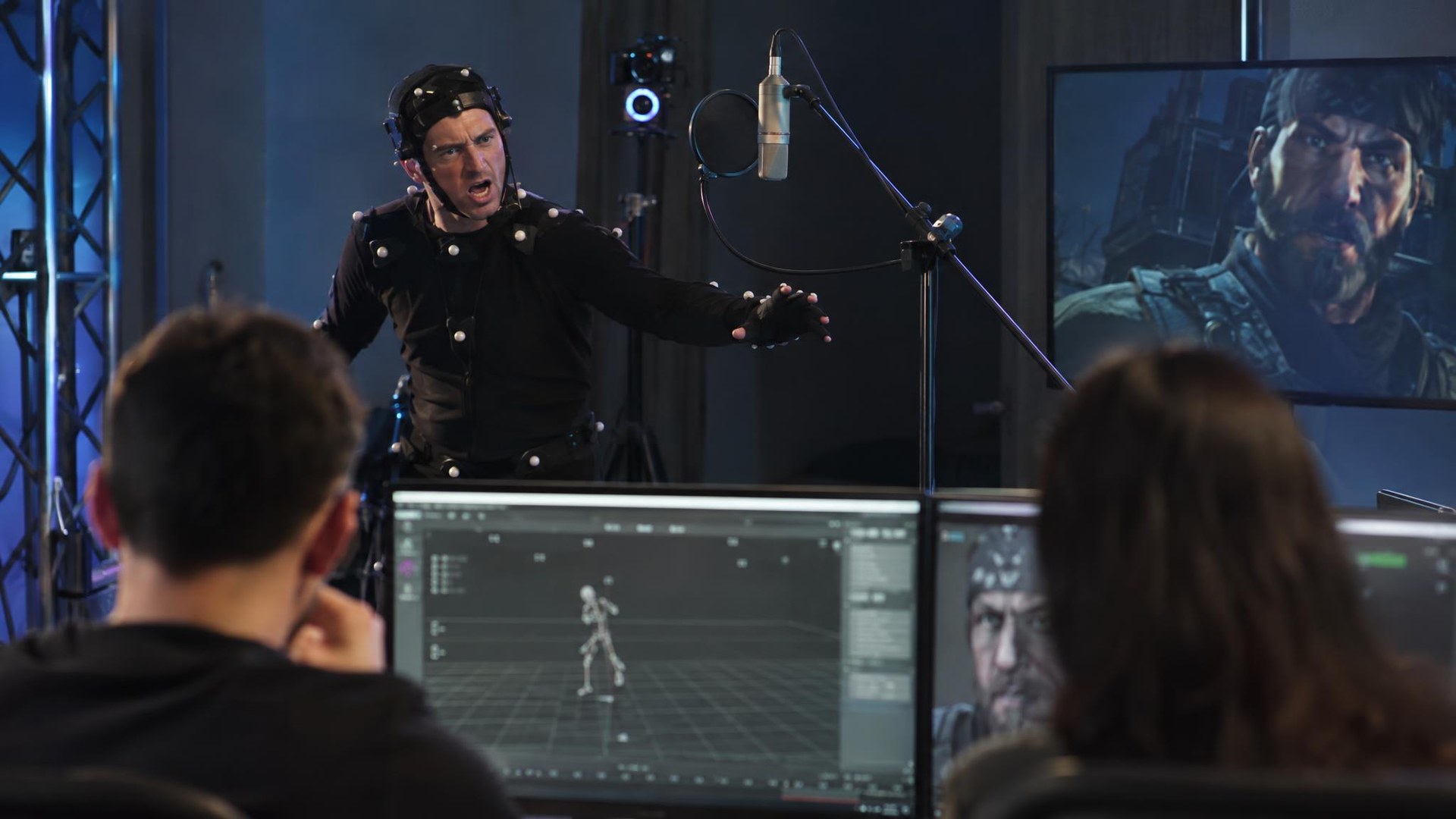
SAG-AFTRA introduced a contract on November 5, 2026 that lets eligible game developers hire professional voice and motion performers for private pitch material before a project is fully financed. The Pre-Funding Pitch Interactive Media Agreement covers demos, vertical slices, trailers, teasers, sizzle reels and playable prototypes created solely to solicit production funding.
“This agreement allows developers to up their game by bringing in professional voice and motion performance talent earlier in the process to create a higher-quality product, with the goal of capturing both imaginations and funding,” SAG-AFTRA president Sean Astin said.
National executive director and CEO Duncan Crabtree-Ireland said the contract simplifies the process of engaging professional union performers and could improve a developer’s prospects of securing backing in a highly competitive industry.
Which Projects Qualify
A prospective game must have no more than 30% of its initial production funding secured when recording takes place. The pitch must not function as, or appear to be, a finished interactive project. It cannot receive a commercial release, and neither public viewing nor public gameplay is allowed. In practical terms, an eligible demo remains a fundraising asset rather than becoming an early public or commercial version of the game.
Milestone funding is outside the agreement, meaning producers cannot use it to pursue money released to a startup after pre-agreed development targets are reached. A producer is also excluded if a publisher owns it, if it already has a standing publishing arrangement, or if another agreement or affiliation supplies production funding. Experiences built to promote a non-interactive product or service are likewise ineligible.
Material released through a crowdfunding campaign cannot use the contract, although producers may discuss potential crowdfunding waiver terms with the union. A project that satisfies only part of the criteria can request special consideration or a waiver. Approval covers only the named pitch and does not establish a term agreement for the producer’s other projects. Qualification remains at SAG-AFTRA’s discretion, with no assurance that even a related project will be approved.
Pay, Funding and Reuse
Session fees for the pitch can be negotiated freely by performer and producer, and the agreement establishes no minimum employment terms. Negotiating a session fee nevertheless requires health and retirement contributions under the independent interactive provisions referenced by the pitch contract. A nonmember’s work on the project does not count toward SAG-AFTRA membership eligibility.
Should funding for the pitch rise above 30% of the prospective project’s budget, the broader independent interactive conditions take effect at the relevant budget tier, including minimum session fees, secondary payments and health and retirement contributions. Compensation already paid may be credited against scale compensation.
A separate trigger applies when any of a performer’s pitch material is incorporated into the prospective game. The broader conditions, minimum session fees and secondary payments then apply at the appropriate tier. Negotiating the initial pitch engagement therefore does not eliminate the additional compensation obligations if that performance becomes part of the game.
Recording Rules and Performer Protections
The executed agreement must reach SAG-AFTRA no later than two weeks before recording. Producers must also identify every professional performer engaged for the pitch and for the prospective project where those performers are known. The union can request a final cost report and supporting documents to determine whether the project qualifies.
Eligibility can be revoked retroactively following a material misrepresentation. Failure to maintain eligibility binds the producer to the applicable independent interactive agreement or its tiered-budget counterpart.
A producer planning stunt or hazardous work must notify SAG-AFTRA beforehand, have a stunt coordinator present and available for consultation, secure the performer’s express written consent before work starts, and discuss the role’s physical demands at the audition or interview. Performers authorize use of their name, image, likeness, voice and performance only within the agreement’s coverage.
For developers, the trade-off is access to professional performances with negotiable pitch pay, balanced against limits on financing, public release and reuse. The arrangement remains tied to fundraising; crossing the funding threshold or carrying a performance into the prospective game activates the broader compensation structure and separates a pitch engagement from full production.