Reviews
Limbo Review (Xbox, PlayStation, Switch & PC)

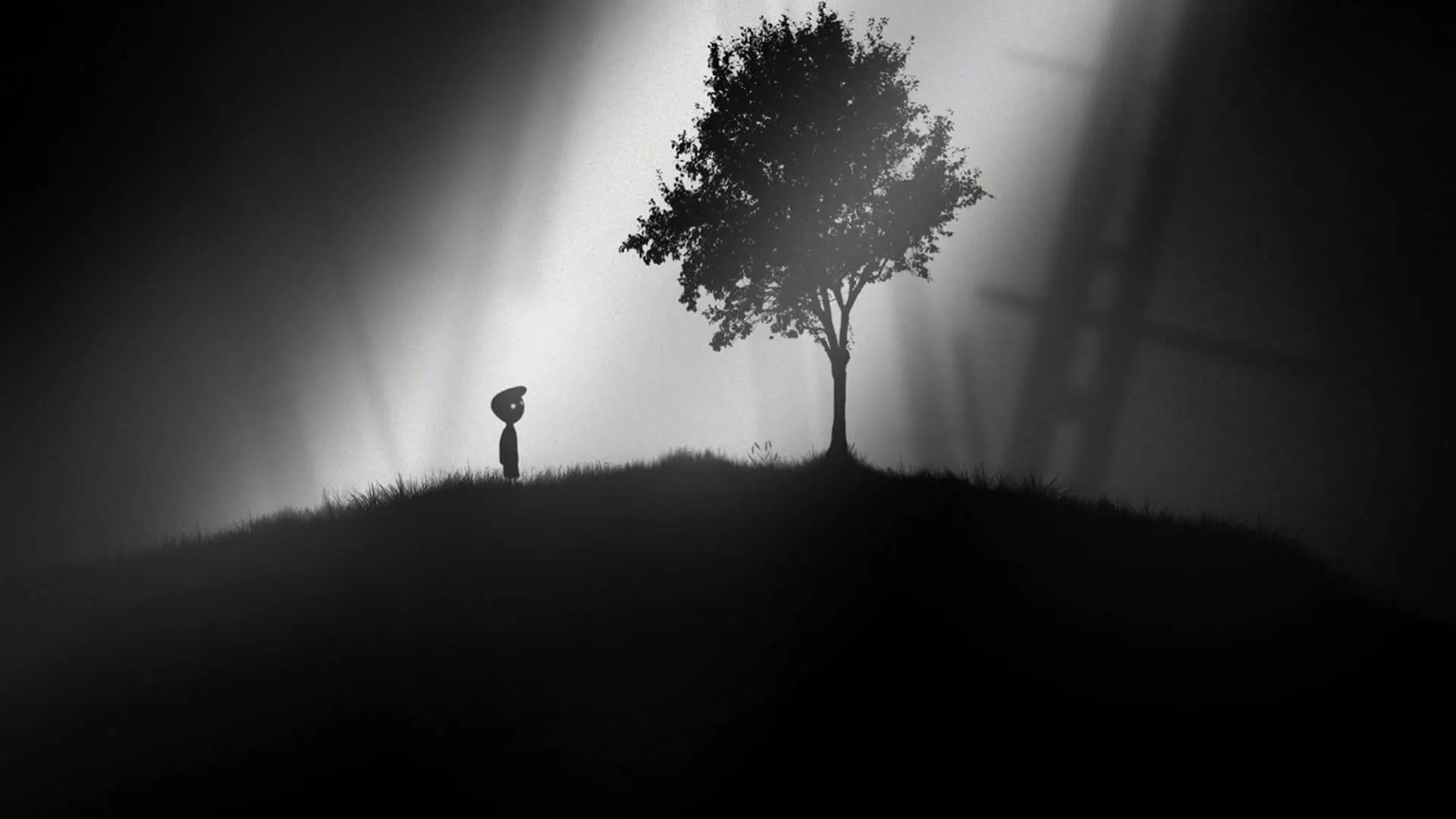
It takes a lot more than a workhorse to construct a masterpiece; it requires perfect execution, precise timing, and subtle cues that strike just at the right moment. To tell a story through a thousand words is one thing, but to reach the same conclusion without echoing a single whisper is a masterful art, and one that only a select handful have ever been able to grasp. Limbo, for example, is a game that excels in more ways than one, as is it a prime example of how much you can achieve with so very, very little. It doesn’t need to spoon feed you the terminology, nor does it need to establish eighteen support beams to build a bridge. Really, it just needs an outlet to convey a brief message and a platform to connect with the audience.
Limbo isn’t one to mince words or take you on a wild ride through the ashen boroughs of purgatory. Hell, it isn’t even the sort of game that divulges more than the bare bones of a side-scrolling puzzle-platformer. With little to no context to frame its shadow-guzzled realm, it simply opts to take the quieter path—the route that favors silent storytelling, occasional audio cues, and light puzzles that often culminate in a well-needed a-ha moment. It doesn’t tell you who you are, and it doesn’t tell you where you you’re going. Instead, it drops you into the silhouette of a young boy, and it tells you to slowly strafe to the right, through the fog and towards a destination of its own choosing.
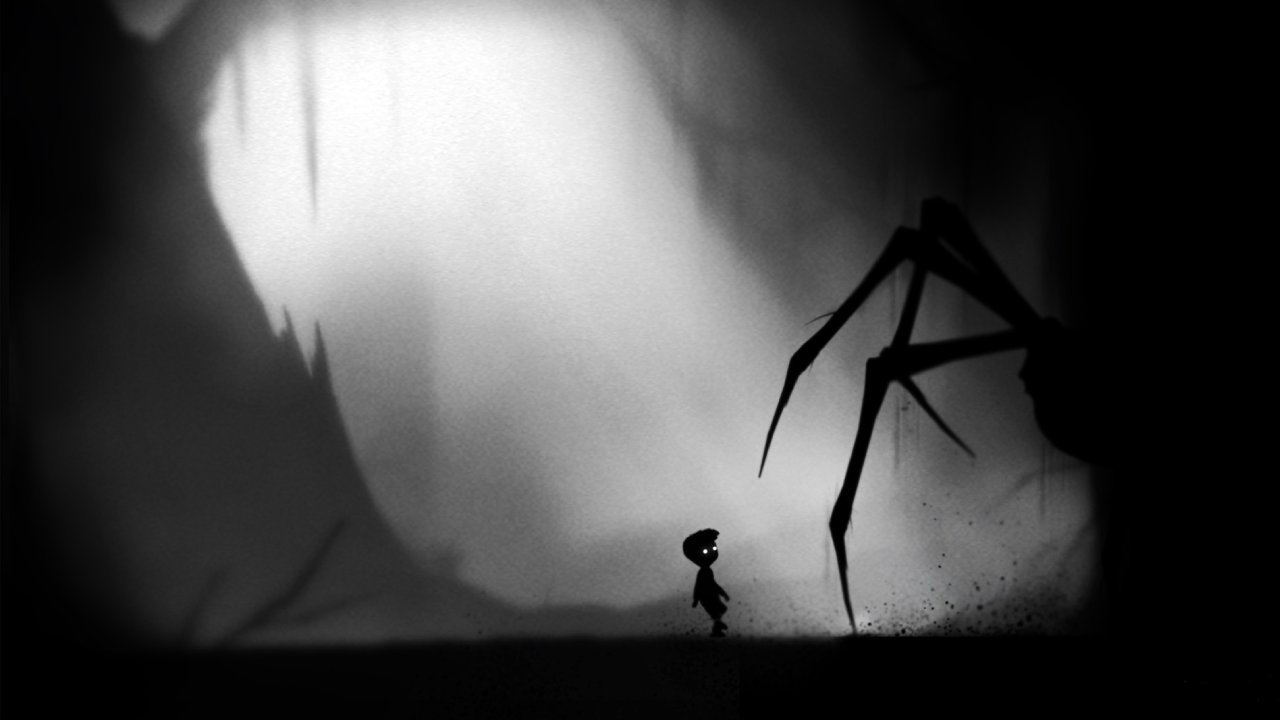
What truly sets Limbo apart from the average puzzle-platformer is its oppressive atmosphere. Rather than leaning on cliches or the common hellscape theme, it opts to weave its essence with opaque elements, bleak undertones, and light threads of subliminal horror. It isn’t a game that immediately molds an underdog into a hero, but one that forces you to believe that you are unnecessarily futile, and that a small gust of wind will blow you over. You have no friends, and everything you tend to stumble upon is either dead or morally bankrupt. Again, it doesn’t tell you why you’re stuck in the seemingly bottomless pits of purgatory; it just tells you to keep moving forward.
Limbo excels in its ability to choreograph a short tale that can easily keep you second guessing your next step as you wade through its ominous depths. With light puzzles that often require you to think on the spot or wage small wars with gargantuan arachnids or immoral silhouettes, the brief sixty-minute journey does all in its power to bring you to your knees as you perilously search for the nearest exit. You are not the all-seeing warrior in a Norse-bottled afterlife, and you are not able to fight against the oppressive forces that flow through the woods. Luck, faith, and a slither of skill collectively propel you forward, and a sense that something less intimidating is looming on the other side of the world keeps you plodding along.
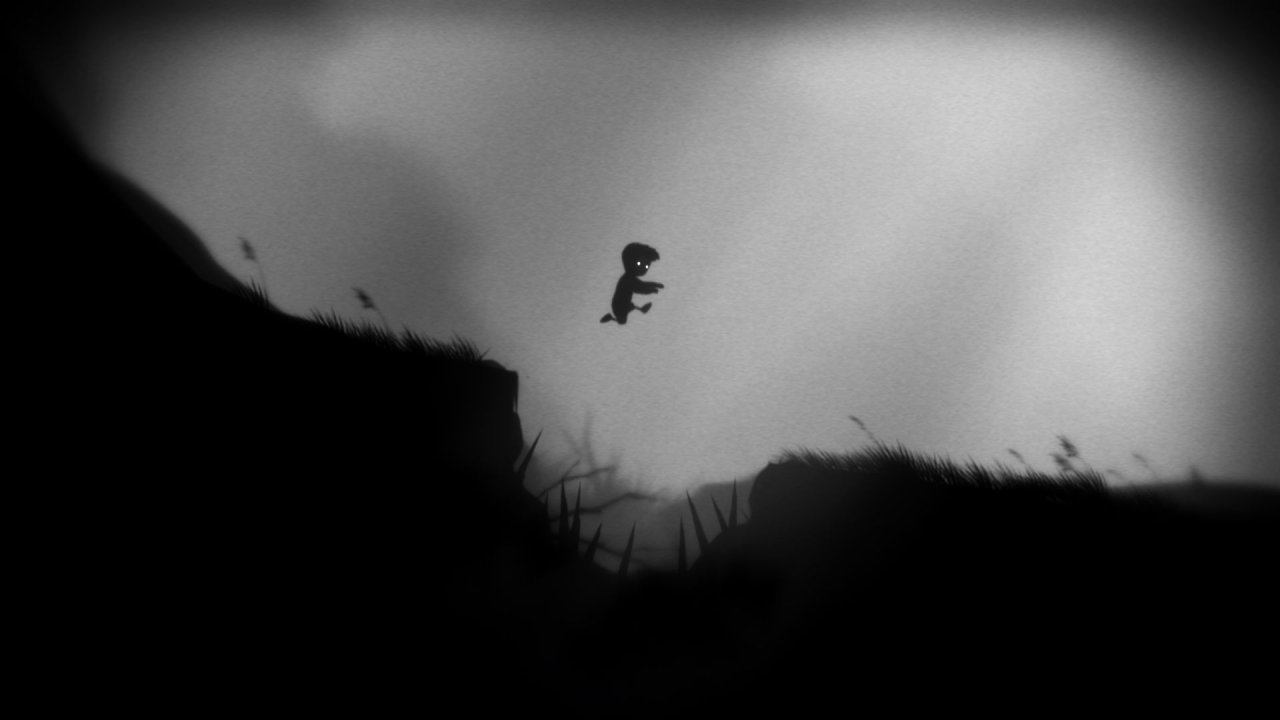
I’d be lying if I said that Limbo doesn’t have its fair share of tedious moments. The puzzles, for example, rarely make much sense, and often require you to test the waters before making a final judgement. Say, if you successfully evade a falling object, then you might just take another step to suddenly find yourself in the presence of a spring-loaded bear trap. Elsewhere, you may pull off the perfect jump, only to land on an electrified fence. The point is, Limbo isn’t one for showing you the way forward, despite being a side-scrolling game with little to no mechanics for you to learn or master. You will die, and you will frequently find yourself back at the foot of the same predicament. It’s unapologetically frustrating, yet it’s also made to feel just as rewarding for when you do finally conquer each obstacle.
While Limbo is a rather short game with only a small pocket of puzzles and action sequences, it is a game that manages to prove a point — that less is more, and that you can still convey the same message with little to no padding or context. Unlike your typical RPG in which you would naturally reach the final destination with a clearer image of the plot, the characters, and the moral, Limbo is able to deliver an experience that is just as thought-provoking, despite offering little to no insight into the world or its inhabitants, its motive or its origin. Simply, it chooses to keep the frills and the ribbons to a minimum, and instead opts to leave you in the dark, asking questions that, frankly, will never be answered. The credits eventually roll, yet you have no greater understanding of how you even made it to the final hurdle in the first place.
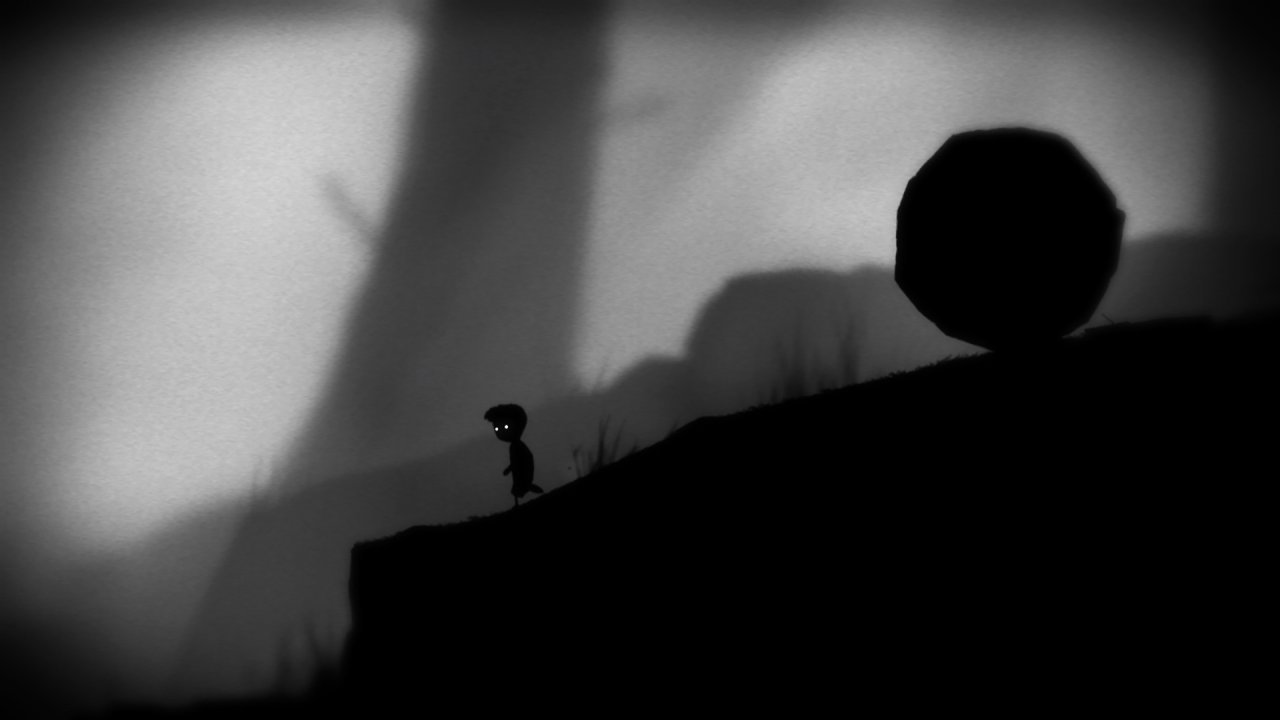
Combined with its melancholic charm, eerie imagery and memorable puzzles, Limbo stands out as a true one-in-a-million centerpiece that needs to be revisited time and time again, if only for the sake of onboarding its essence from vastly conflicting perspectives. Above all, it’s a game that you will remember, even though it is one that you don’t spend all that long with. But that is something it does and does well — it gives you small pieces of information to remember it by. The spider encounter; the runaway youths; and the mine cart ride through the charcoal-smeared underbelly of a woeful purgatory. It all amounts to a brilliant, albeit rather brief journey that is, not surprisingly, a lot of fun to tiptoe through on a cold afternoon.
Verdict
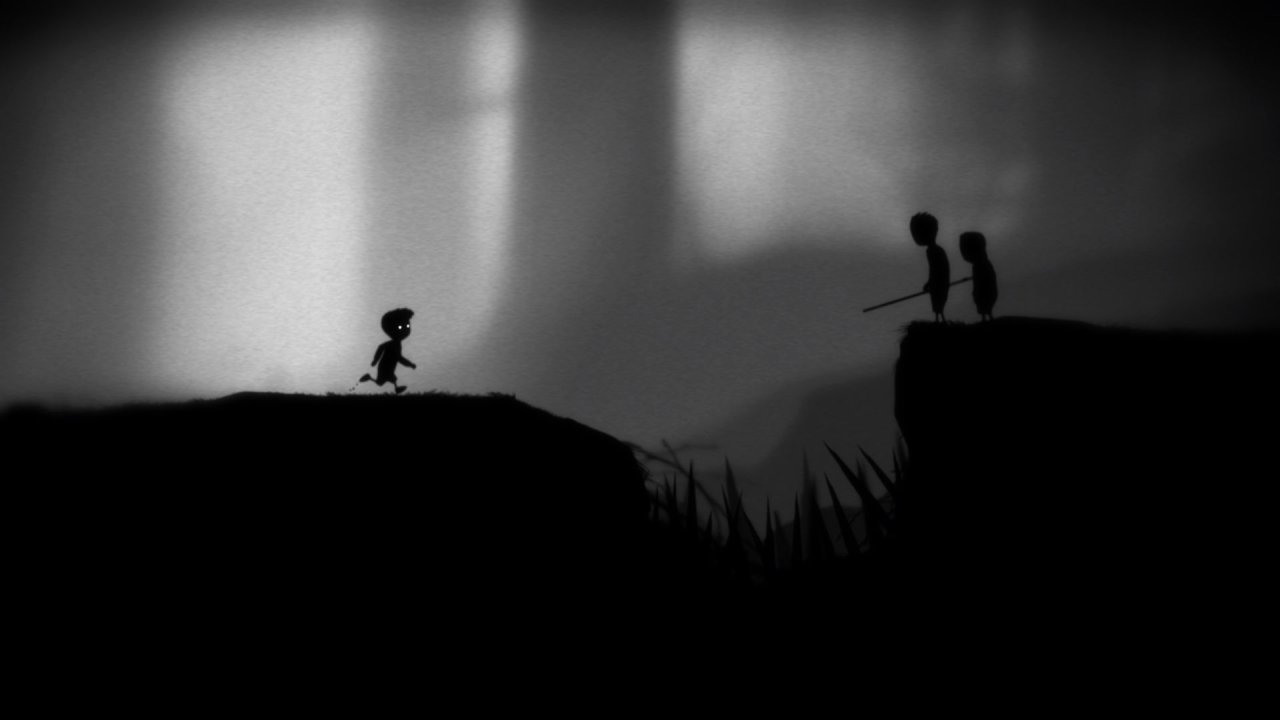
Limbo delivers a masterclass in subliminal horror, with a deeply oppressive atmosphere, a bleak sense of isolationism, and an opaque breadcrumb trail of light puzzles and oddly disturbing confrontations that often leave you feeling desperately lonely, powerless, and without a beacon of light to underscore the silver lining on the far end of its perilous purgatory state. While short and without a conventional ribbon to tie it all together, it makes a great impression that plays on your mind long after it sheds its final credit. Minced with some effectively depressing visuals, well-paced audio cues and a great deal of symbolic depth, Limbo lives on, not as a ghost, but as an undead powerhouse in the dark.
Limbo Review (Xbox, PlayStation, Switch & PC)
A Masterclass in Woe
Limbo delivers a masterclass in subliminal horror, with a deeply oppressive atmosphere, a bleak sense of isolationism, and an opaque breadcrumb trail of light puzzles and oddly disturbing confrontations that often leave you feeling desperately lonely, powerless, and without a beacon of light to underscore the silver lining on the far end of its perilous purgatory state. While short and without a conventional ribbon to tie it all together, it makes a great impression that plays on your mind long after it sheds its final credit. Minced with some effectively depressing visuals, well-paced audio cues and a great deal of symbolic depth, Limbo lives on, not as a ghost, but as an undead powerhouse in the dark.