Reviews
Inside Review (Xbox, PlayStation, Switch & PC)

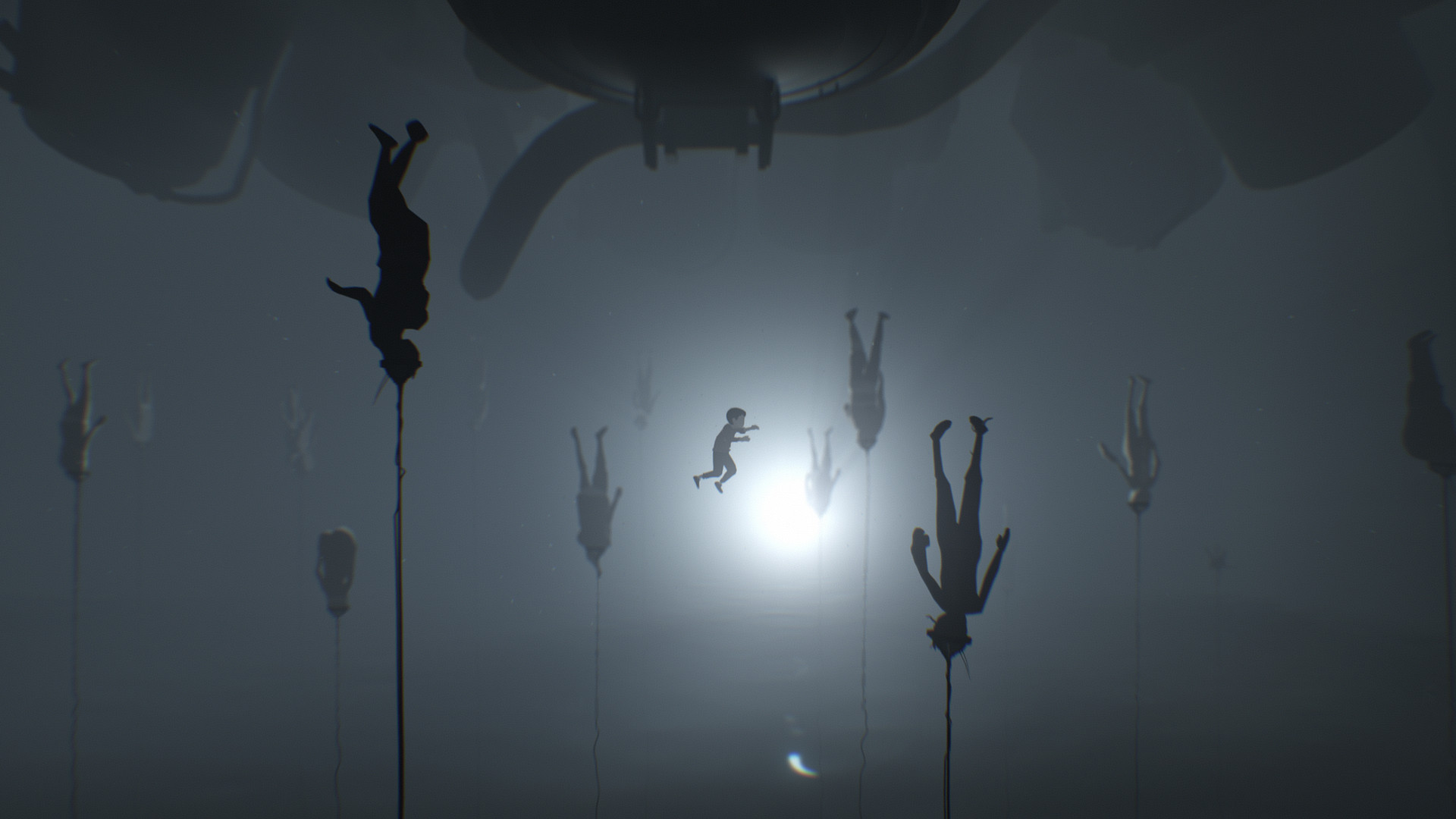
Limbo taught me how to walk, but Inside gave me the means to run a quarter mile faster than the average side-scrolling puzzle-platformer. It also taught me that, even when I thought I could untangle a plot and make sense of a situation, that I was always going to be in for another surprise. If anything, it gave me a lecture in subliminal stimulation. At no point did I ever think about the endgame, the plot, or the purpose of my visit. All I knew, really, was that I was lost, and that I was in a second layer of a mechanical purgatory, bound for a destination that would eventually frame a climax beyond my wildest imagination.
Inside was wild, but not in the conventional sense of the word. It was wild, not because it put me on a track built around illogical corkscrews and subliminal messages, but because it left me feeling almost sick to my stomach — but in a good way, weirdly. In a similar vein as Limbo, it dropped me in at the deep end, and it told me to strafe to the right. It didn’t give me an idea of what it was I was doing, or even where I was supposed to go. Something, looming on the far right, called to me, and I merely followed the breadcrumbs in the hopes that it would illuminate the picture in its entirety. Only, it never did. If anything, I was left with even more questions than I had when I first traipsed the wooded borough. Yet, I pushed on.
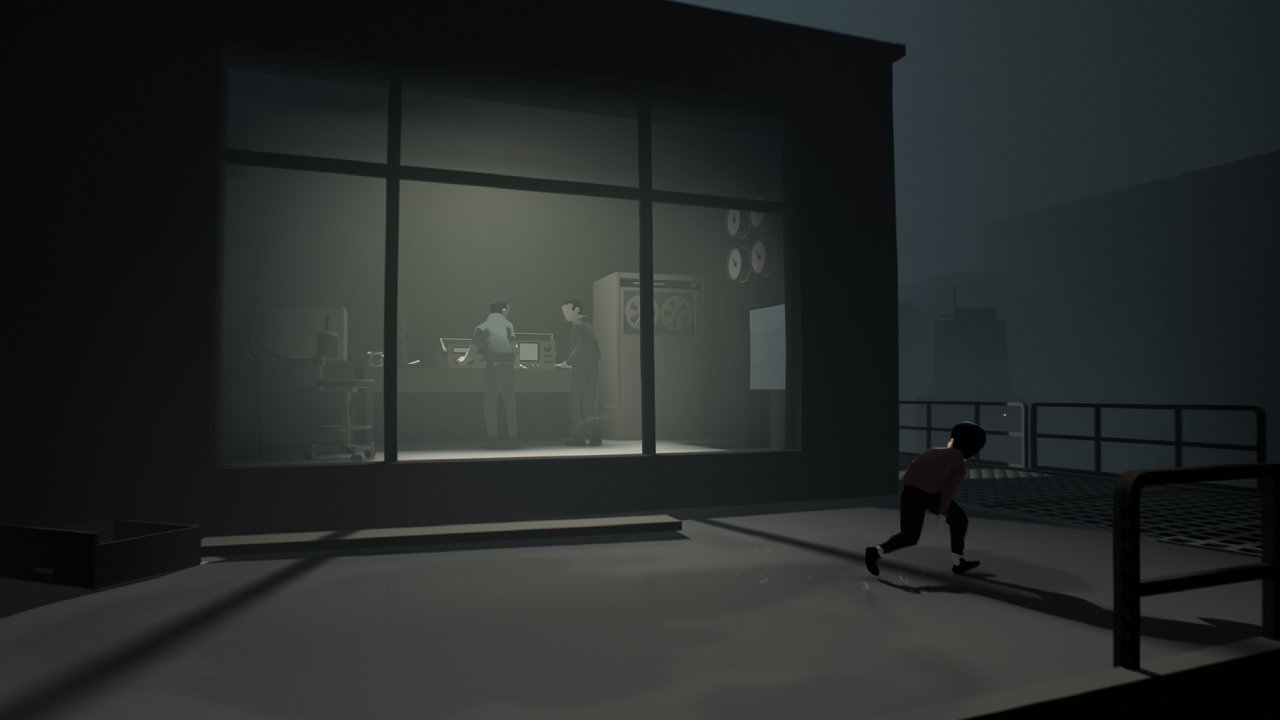
Like its predecessor, Inside erects its walls around a space that’s devoid of warmth—a plot that lacks an architectural backbone, communal harmony, or a well-needed sense of belonging. As a small red-shirted boy in this world, you don’t have a formal connection to the people, only a desire to plug into a gargantuan facility that hangs over the horizon. Something pulls you in, but at no point are you ever told what it is that awaits your arrival on the other side of the doors. You just need to get, well, inside. And yes, it is confusing — but that sort of works in its favor here.
Inside spreads its brief two-hour runtime over three basic pillars: stealth, exploration, and puzzle-solving. As the petite pawn in its world, you have the peculiar task of daringly tiptoeing through the bleak crevices of an ominously dark facility—a complex that facilitates questionable mind-controlling operations and automated monitoring. Again, the game doesn’t tell you what the purpose of your quest is, or even how you fit into its seemingly dubious schemes. It does, however, hand you a stark warning—a reminder that, should you be willing to cross the threshold and enter the aforementioned facility, everything will try and kill you on sight. There are guards, dogs, and a lot of machines, all of which have a single purpose: to keep you from delving deeper into the rabbit hole.
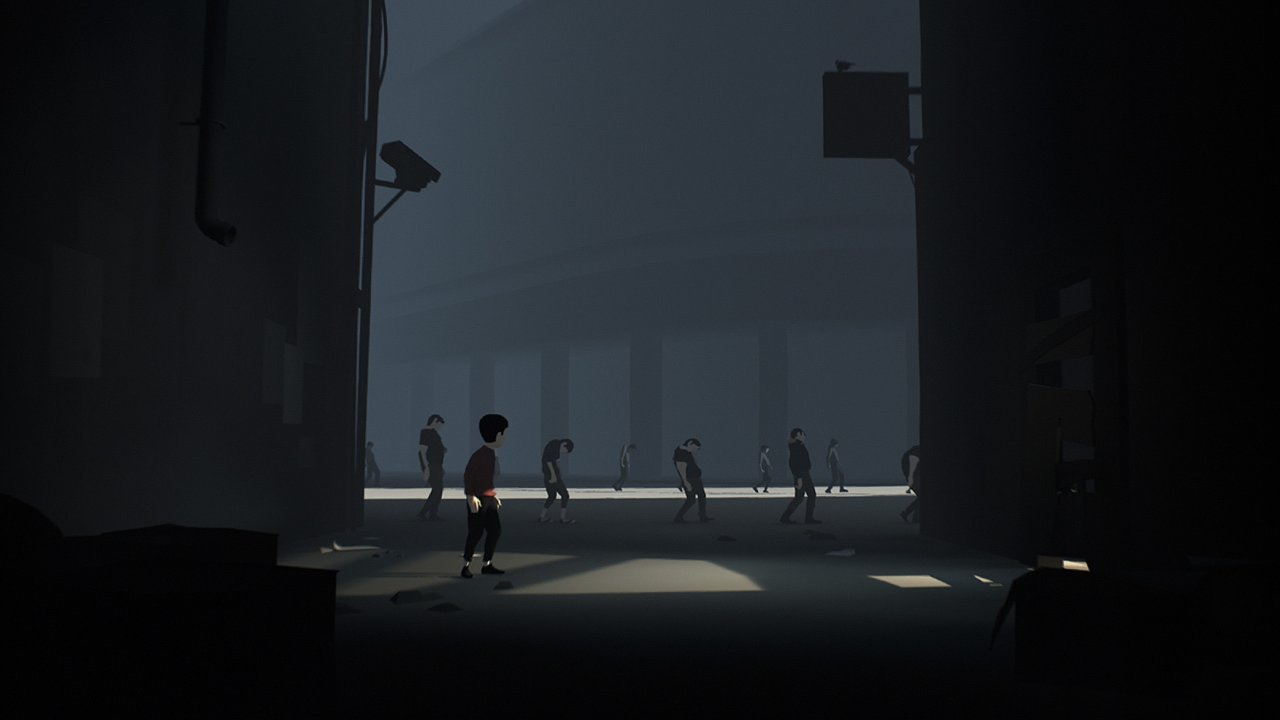
Behind its subliminal symbolic roots and unorthodox world-building facets, Inside holds the key to a much, much deeper puzzle-platforming affair. As visually vacant as it is, it tells a lot of its story through the use of various symbols, puzzles and audio cues, most of which possess an underlying meaning. Rather than having you mindlessly wander from point A to point B, it uses each layer of its world to construct a bigger picture. In any other case, a key would slide into a lock and reveal a new passageway. But here, on the inside, there is more to the mechanism than gears and bolts. It doesn’t always make it easy to figure out what said mechanism is, but when it clicks, it clicks.
As far as the gameplay goes, Inside keeps to a similar rhythm as Limbo, with a combination of stealth and puzzles. While strafing to the left or right to unlock doors and collect items is what eats up most of the journey, the game does feature some rather clever and oftentimes unnerving moments. For example, you have several chase sequences, time-based puzzles, and even a small handful of stealth sections. But of course, the biggest challenge you have in Inside is the battle of the mind—a portion that often requires you to wire into a machine, manipulate the actions of emotionless vessels, and use their strength to complete puzzles. It’s all a little far-fetched I’ll admit, but it gets the brain ticking — and that counts for something.
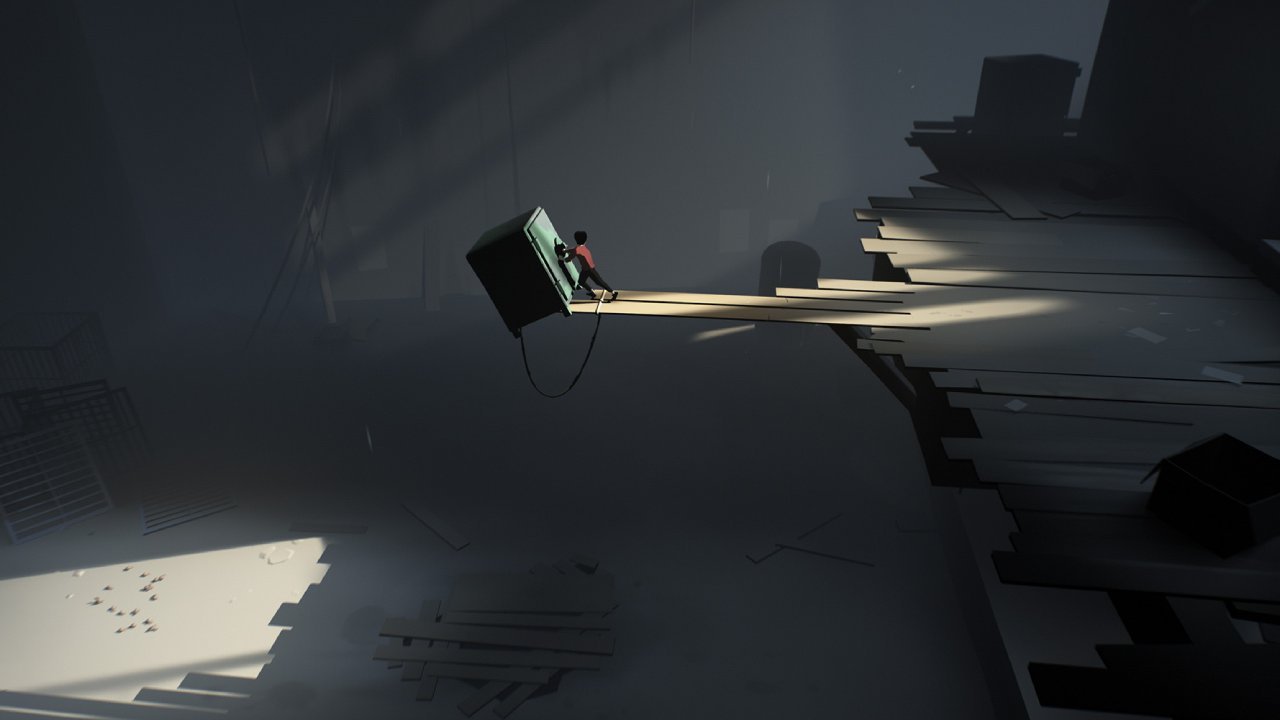
Painted against a backdrop of oppressive grays and streaks of white, Inside establishes an atmosphere that is instantly recognizable and unique in its own right. While not as spectacular or as drenched in the usual high-strung frills as a modern-day cinematic masterpiece, it tells its own story through its own lens, with a lack of color, a harrowing undertone of light, and the smallest splash of red to emphasize the centerpiece—a boy, an outcast, and someone who simply craves the secrets that linger on the inside.
To give it some extra credit, Inside has possibly one of the strangest endings in video game history. I’d hate to spoil it, but I will say this: if there is an award for most sickeningly bizarre climaxes, then Inside is the only viable choice to receive said award. It’s so out of this world, in fact, that it leaves you on the edge of your seat long after the credits. If that doesn’t pique your interest, then I’m not sure what will.
Verdict
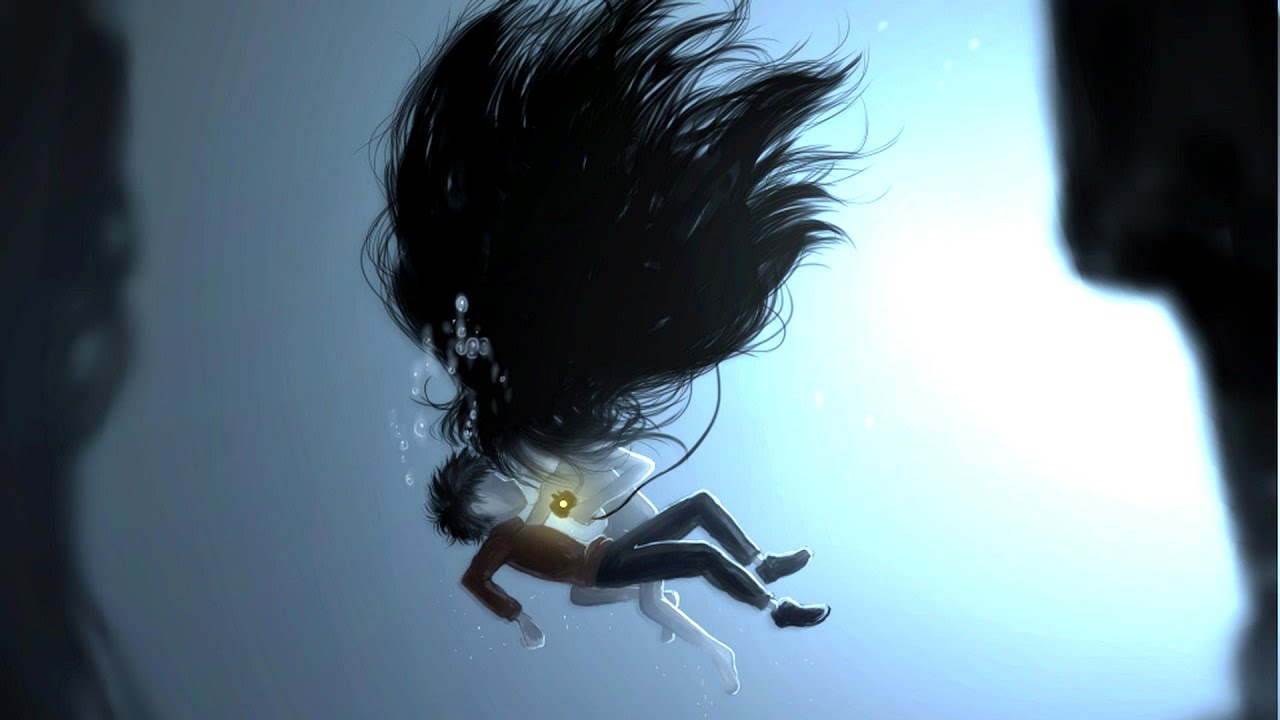
Playdead delivers yet another masterclass in bleak yet woefully beautiful storytelling through a conduit of perplexing puzzles, daring chase sequences, and absurd plot twists that stick with you long after the cord on the curtain has been drawn. Combined with a memorable atmosphere, a strong, albeit convoluted message, and a powerful flurry of symbolic interludes, Inside stands out as an excellent game that you should play at least once or twice. Don’t think any more of it — just go ahead and join The Huddle. You’ll thank us later.
Inside Review (Xbox, PlayStation, Switch & PC)
Sickeningly Good
Playdead delivers yet another masterclass in bleak yet woefully beautiful storytelling through a conduit of perplexing puzzles, daring chase sequences, and absurd plot twists that stick with you long after the cord on the curtain has been drawn. Combined with a memorable atmosphere, a strong, albeit convoluted message, and a powerful flurry of symbolic interludes, Inside stands out as an excellent game that you should play at least once or twice. Don’t think any more of it — just go ahead and join The Huddle. You’ll thank us later.