Game Guides
Planet Zoo 2: 8 Best New Features, Ranked
Explore Planet Zoo 2’s best new features, including Wildlife Reserves, fully aquatic animals, custom aviaries and more flexible zoo-building tools.

 Add Gaming.net to your preferred sources on Google
A sequel earns your attention when it gives you new reasons to care about the things you already enjoy. In Planet Zoo 2, that means more ways to build around animals, more kinds of wildlife to watch and a conservation goal that reaches beyond your park’s gates.
The game launched on October 13, 2026, as covered in our Planet Zoo 2 launch report. This ranking focuses on additions and expanded tools described by Frontier, weighing their creative potential and their effect on the zoo-building experience. It is an editorial assessment of confirmed features, rather than a hands-on review. Frontier’s official game overview provides the underlying feature details.
8. New Scenery Themes
A new animal collection is easier to make your own when its surroundings have personality. Frontier lists four new scenery themes alongside five returning themes, giving builders more architectural choices for entrances, visitor areas and habitat surroundings. A coherent style can turn several practical buildings into a recognisable district.
Start by choosing a limited palette for one area. Repeat a few materials and colours, then use a landmark to give that section character. We rank scenery below the new animal systems because it supports the experience rather than defining a whole new kind of attraction. For builders who spend an evening perfecting one pavilion, however, this could quickly become a favourite.
7. Foliage and Terrain Brushes
Landscaping can make the difference between an enclosure that looks assembled and one that feels like a place. The sequel includes new foliage and terrain brushes, giving you tools for working across larger areas of your zoo and Wildlife Reserves. They are especially appealing when you want consistent surroundings between individually crafted attractions.
Use broad changes to establish a landscape, then refine the areas animals and visitors actually use. Decoration still needs to fit the species and the build. The benefit is creative momentum: you can develop the setting around a habitat without treating every patch of land as a separate miniature project. Keep access routes and enclosure boundaries visible while you work.
6. Scenery Scaling and Flexi-Colour
Scaling and flexi-colour widen the range of designs you can make from the available scenery. Where supported, adjusting size and colour helps a piece suit your build instead of forcing your whole building to suit that piece. A restrained palette is often enough to make a group of downloaded and custom elements feel related.
These tools are most useful when you know the visual problem you are solving. Try matching the proportions of an entrance or tying several buildings together with shared accents. Check the options on each item rather than assuming every object supports the same changes. The freedom is valuable, but a smaller set of deliberate adjustments usually produces a clearer design than changing everything at once.
5. The Cross-Platform Frontier Workshop
The Frontier Workshop lets players discover, download and subscribe to community creations from across platforms. That gives you a source of inspiration when a detailed building project has become the main obstacle between you and the animal care you wanted to get back to.
The useful part is what you can learn from a creation as well as where you can place it. Inspect the layout, think about the footprint, and adapt the surrounding paths to your own zoo. Community sharing does not mean everyone is building together in the same live session. Treat each download as a starting point, and check that its game, required content and placement instructions match your setup.
4. More Expressive Animal Behaviour
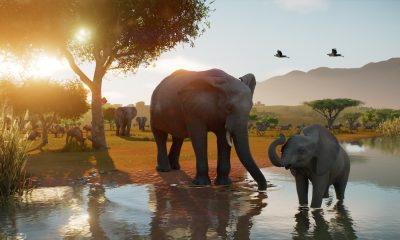
A beautiful enclosure is more satisfying when its residents make it feel alive. Frontier highlights improved animal movement and expressive emotions, alongside behaviours such as herding and grazing on vegetation. These details give players more reasons to stop building and watch what is happening inside a habitat.
This matters to design as well as presentation. A viewing area should help you see the animal’s life, not merely frame an empty piece of scenery. Allow the habitat to satisfy the species’ needs before arranging your favourite camera angle. We rank the behaviour improvements highly because they support almost every zoo you build, even if you spend most of your time with familiar terrestrial favourites.
3. Fully Customisable Aviaries
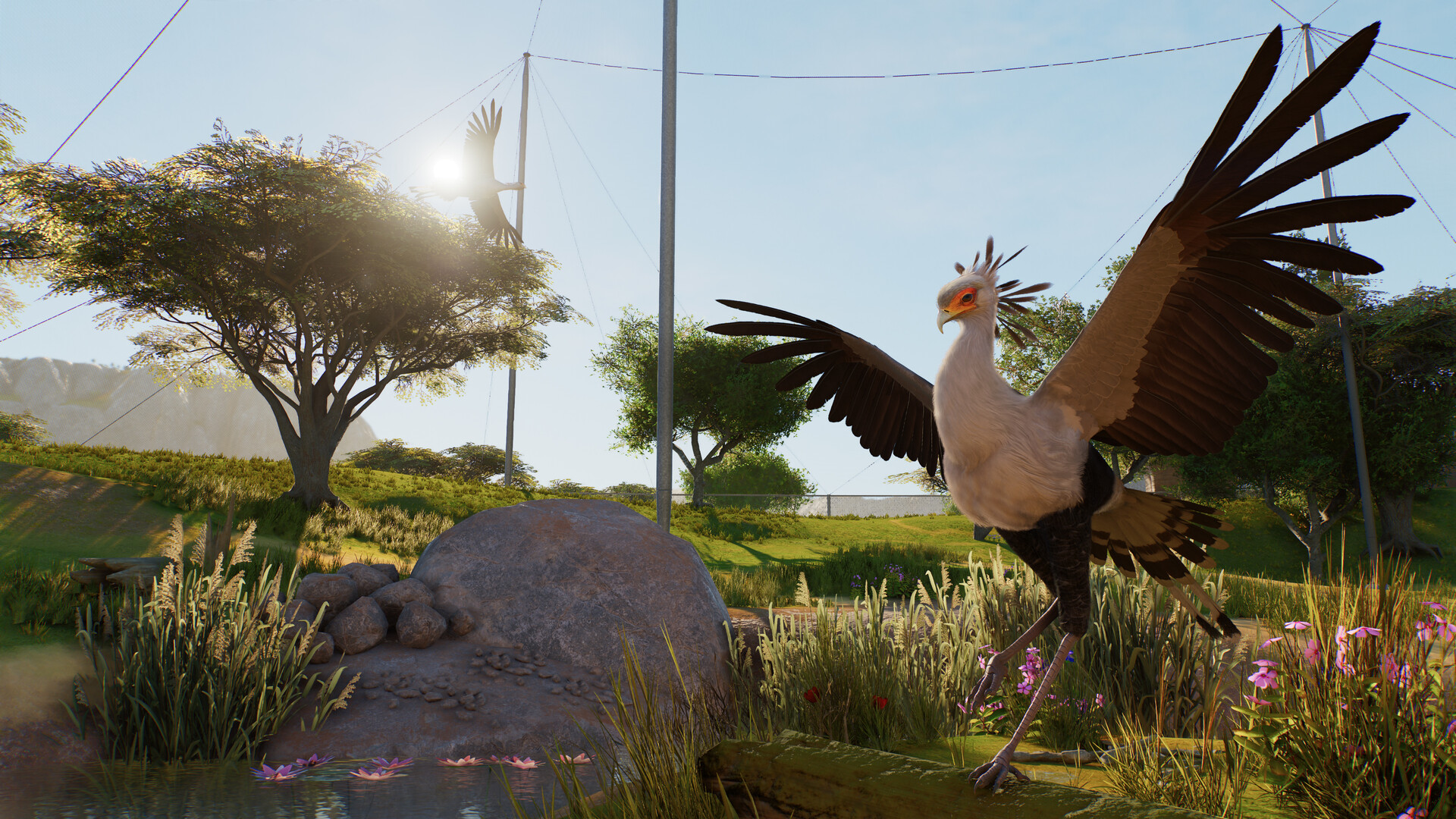
Flying birds change the way you think about an enclosure. Planet Zoo 2’s aviaries use barriers, support poles and dynamic mesh covers, creating spaces where birds can move through the air as well as along the ground. Frontier’s examples include the Toco Toucan and Secretarybird.
Instead of treating the roof as a finishing touch, include it in your first plan. Consider the enclosure’s volume, its landscape and where you want visitors to watch the birds. Then check each species’ requirements in-game. Aviaries earn a top-three place because they introduce a distinctive building challenge and an entirely different kind of movement to your park, with plenty of room for creative viewing spaces.
2. Fully Aquatic Animals and Aquariums
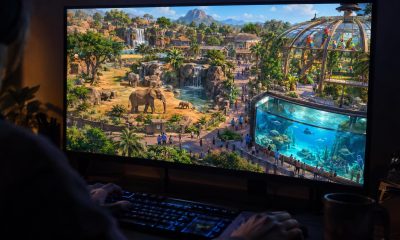
Custom freshwater and saltwater aquariums bring fully aquatic species into the series. Frontier highlights Blacktip Reef Sharks and Hawksbill Turtles among its examples. An aquarium can anchor an entire zoo district, giving players a new set of animals to care for and a fresh visual language to build around.
The exciting choice is how ambitious to make that first project. A contained aquarium area gives you space to learn before you plan a much larger attraction. Verify species requirements before choosing residents, and design the viewing spaces around the finished tank. This is our strongest pick for players seeking something visibly different from their original Planet Zoo parks.
1. Wildlife Reserves
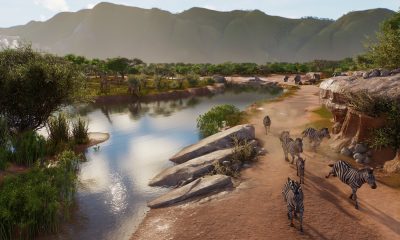
Wildlife Reserves give conservation a destination beyond the zoo. Players take on global projects, meet requirements for releasing animals, and create expansive natural environments where those animals can live. The feature connects caring for a collection with a broader reason for raising and releasing its residents.
It is our number-one addition because it changes the purpose of the management loop, not just the appearance of a new enclosure. Approach a reserve as its own ecosystem and check the project’s requirements before planning releases. An attractive zoo and a successful conservation project are related goals, but they require different decisions. For players who want their animal-care work to lead somewhere, this is the feature to explore first.
Choose your starting point around what you enjoy most. Aquariums and aviaries offer the clearest new building projects, while Wildlife Reserves give animal care a broader conservation purpose. The scenery and landscaping tools support all of them, so there is no need to tackle every new system in your first park.
Interested in how Frontier balances creative freedom with management elsewhere? Read our Planet Coaster 2 review for a different take on building a visitor attraction.