Game Guides
Planet Zoo 2: 10 Best Zoo Layout Ideas
Plan your Planet Zoo 2 park with 10 practical zoo layout ideas, from expandable loops and themed districts to aquariums, aviaries and hillside builds.

 Add Gaming.net to your preferred sources on Google
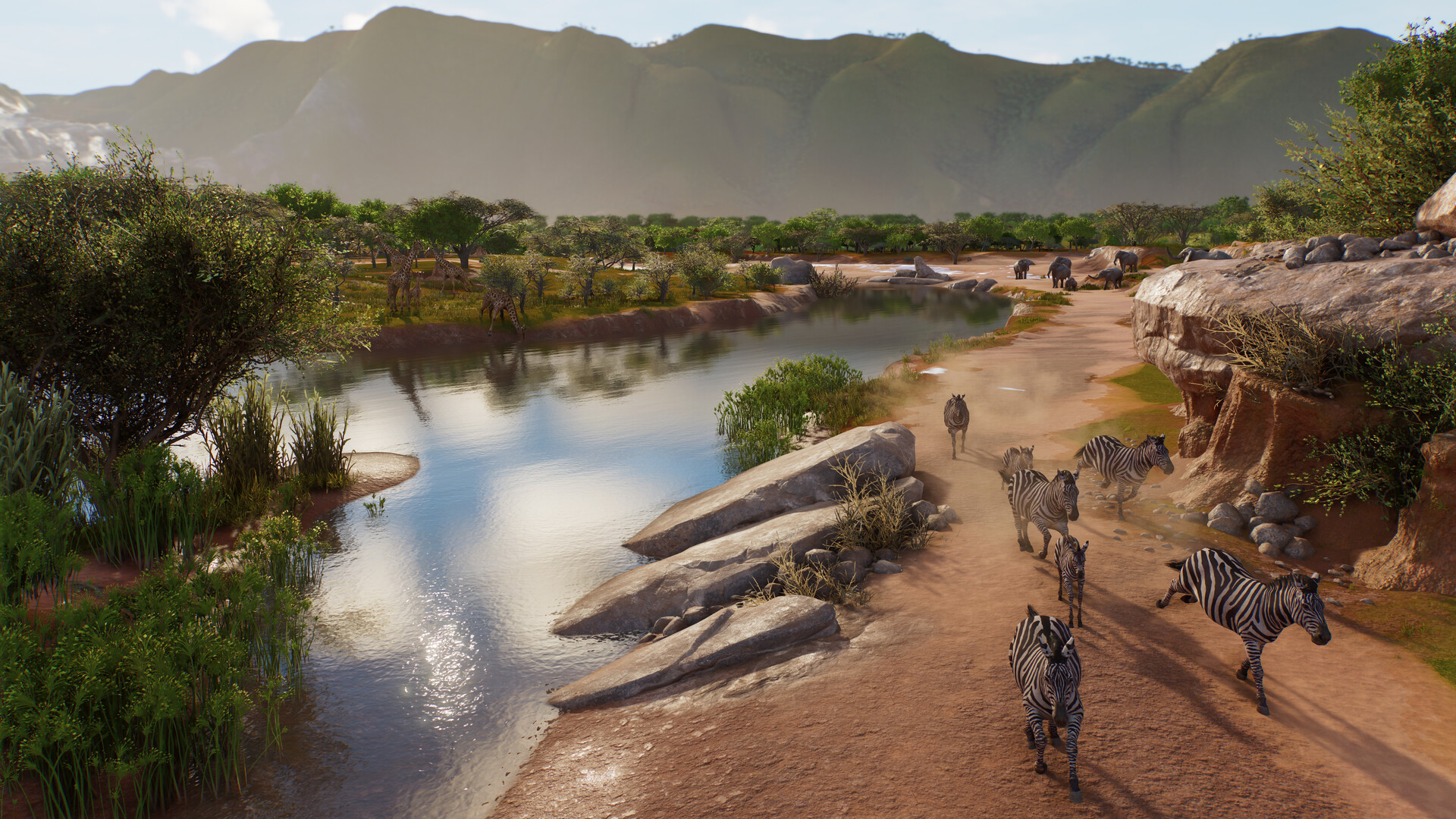
It is tempting to begin a new zoo with an enormous entrance, a spectacular habitat and absolutely no idea where the second path should go. A rough layout saves a lot of that head-scratching. You do not need a perfect master plan, just a structure that leaves room for animals, visitors, staff and the next idea you inevitably fall in love with.
Planet Zoo 2 adds aquariums and aviaries alongside its terrestrial habitats, giving you more ways to organise a park. Our Planet Zoo 2 launch coverage explains the new additions. The ideas below are design recommendations, ranked by flexibility and ease of expansion; they are not tested promises of higher profits or automatic traffic improvements.
10. The Hillside Zoo
A sloping map can become the defining feature of your zoo. Arrange habitats along a gentle rise, place viewing areas at different heights, and let the landscape reveal one section at a time. A broad overlook can frame several enclosures without making every habitat share the same visitor frontage.
Build your main route before committing to elaborate terrain work. Check that paths actually connect and that staff can reach every enclosure. Keep steep decorative slopes away from the routes you need to use. This layout is best for patient Sandbox builders: it looks memorable, but adjusting a hillside after placing half a zoo is an expensive kind of creativity.
9. The Courtyard Zoo
Think of this as a collection of outdoor rooms. A central courtyard leads into smaller courts, each with its own animals, planting and architectural character. One might revolve around an aviary; another could pair an aquarium building with an open seating area. You get distinct destinations without stretching the park across the whole map.
Give each courtyard at least two sensible connections where the terrain allows it. That keeps your design from depending on one doorway-sized path. Leave room between the animal viewing edge and guest facilities, too. The payoff is atmosphere: a carefully composed courtyard can feel finished long before the entire zoo is complete.
8. The Aquarium and Aviary District
Put the sequel’s headline additions together in a dedicated land, sea and sky district. A main path can link an aquarium, an aviary and nearby terrestrial habitats, with a plaza giving visitors a place to pause between attractions. The contrast between glass tanks, covered bird spaces and outdoor landscaping gives the area a strong identity.
Plan the footprints separately before connecting them. Aquatic species and flying birds have their own enclosure requirements, so matching the buildings visually does not mean they can share a standard habitat template. Start with one manageable attraction of each type. Expand after you understand the care and construction demands rather than committing to a monumental complex immediately.
7. The Habitat Cluster
Instead of stretching everything along a road, group a few habitats around one shared visitor area. A small plaza, nearby facilities and several viewing fronts form a compact neighbourhood that you can repeat elsewhere. This is particularly useful when you want to finish a convincing section before opening the next one.
Choose the animals first and size each enclosure around its own needs. A cluster is a planning method, not permission to squeeze every species into identical spaces. Keep room at the outer edge for staff access and later alterations. The main drawback is that several attractions can draw visitors into the same small area, so avoid filling the centre with decorative obstacles.
6. The Continent Trail
A geographical route gives the zoo an easy-to-understand story. Create regions around animals’ native ranges, then use architecture, planting and signs to signal the move from one part of the world to another. It makes choosing the next habitat feel more purposeful than simply buying whatever animal catches your eye.
Check each species in the Zoopedia before settling on a region. A shared continent does not automatically mean shared climate needs, compatible animals or suitable vegetation. Build one regional zone thoroughly, then link it to the next with a practical path and a clear visual transition. This idea suits players who enjoy research as much as decorating.
5. The Biome District Zoo
Organise the park by environment: a dry landscape here, a lush planted area there, and a waterside district somewhere else. Biome-led planning helps you build a consistent palette of rocks, terrain and scenery. It also gives you a useful starting point for deciding which animals belong in a section.
Use the game’s species information to confirm the actual environmental requirements. A decorative theme is only the starting point for animal welfare. Keep the boundaries between districts flexible so you can enlarge a habitat without rebuilding an entire themed avenue. This is a strong choice for builders who want a naturalistic look and a clear plan for future additions.
4. The Main Avenue
A broad central avenue is the easiest layout to sketch. Put the entrance at one end, an anchor attraction farther along, and smaller habitats on either side. Short branches can lead to guest facilities and viewing spaces. The avenue becomes a reference point whenever you need to decide where the next building goes.
Reserve space beyond your current endpoint so the road can grow with the zoo. Add connecting paths between neighbouring branches when the park expands; otherwise, every trip may require returning to the same corridor. Its strength is readability. Its weakness is concentration: if all your busiest attractions face one stretch, you will need to reconsider how that stretch handles visitors.
3. The Hub and Spoke Zoo
A central plaza becomes the park’s meeting point, with paths radiating toward separate themed areas. You can dedicate one spoke to an aquarium district, another to birds, and another to larger outdoor habitats. It is a satisfying layout if you prefer building in chapters rather than expanding one long street.
Keep the centre modest at first and allow space for widening the connections. Place essential guest services where they are easy to reach, while preserving clear walking routes through the hub. As the zoo grows, join neighbouring spokes with secondary paths. Those extra connections make the map more flexible and reduce the need to route every journey through the same plaza.
2. The Figure-Eight Zoo
Two connected loops let you build a complete small park, then add a second circuit when you are ready. The shared middle can hold a landmark and a service area, while the loops develop different identities. One might focus on terrestrial habitats; the other could introduce aquariums and aviaries.
Start with the entrance loop and leave space at the joining point. Later, connect the second loop without disturbing every existing habitat. Avoid making the intersection the only location with toilets or refreshments, since that would concentrate several needs in one spot. The figure-eight ranks highly because it provides a straightforward growth plan without asking you to build the whole zoo at once.
1. The Expandable Loop
For a first zoo, a simple loop is our best overall starting point. Arrange a handful of habitats around a connected circuit, keep useful guest facilities within reach, and leave the interior or outer edge available for growth. It is easy to understand, easy to finish in stages, and easy to inspect when something needs adjusting.
Begin with a small circuit rather than drawing a giant ring across the map. Position gates and staff facilities deliberately before decorating the visitor side. When the zoo gets bigger, add a shortcut across the loop or a second connected circuit. No shape guarantees profit or happy guests, but this one gives you a manageable foundation while you learn the game’s systems.
If you are starting out, pick the expandable loop or figure-eight and finish one small section first. If you are building mainly for atmosphere, a courtyard or hillside zoo offers more room to experiment. Whichever shape you choose, check your animals’ needs, connect the operational areas and leave expansion space before filling every gap with scenery.
For more park-building inspiration, Our Planet Coaster 2 review explores another Frontier builder, while our best park management games list offers other ways to scratch that planning itch.