Sports
Line Shopping in Sports Betting: Compare the Price and the Points
Learn how to compare two quotes on the same spread, weigh half a point against a worse price, and avoid comparing markets that settle differently.

 Add Gaming.net to your preferred sources on Google
Key PointsA better price on the same spread pays about 7.58 more profit per 100-unit stake when…
View more
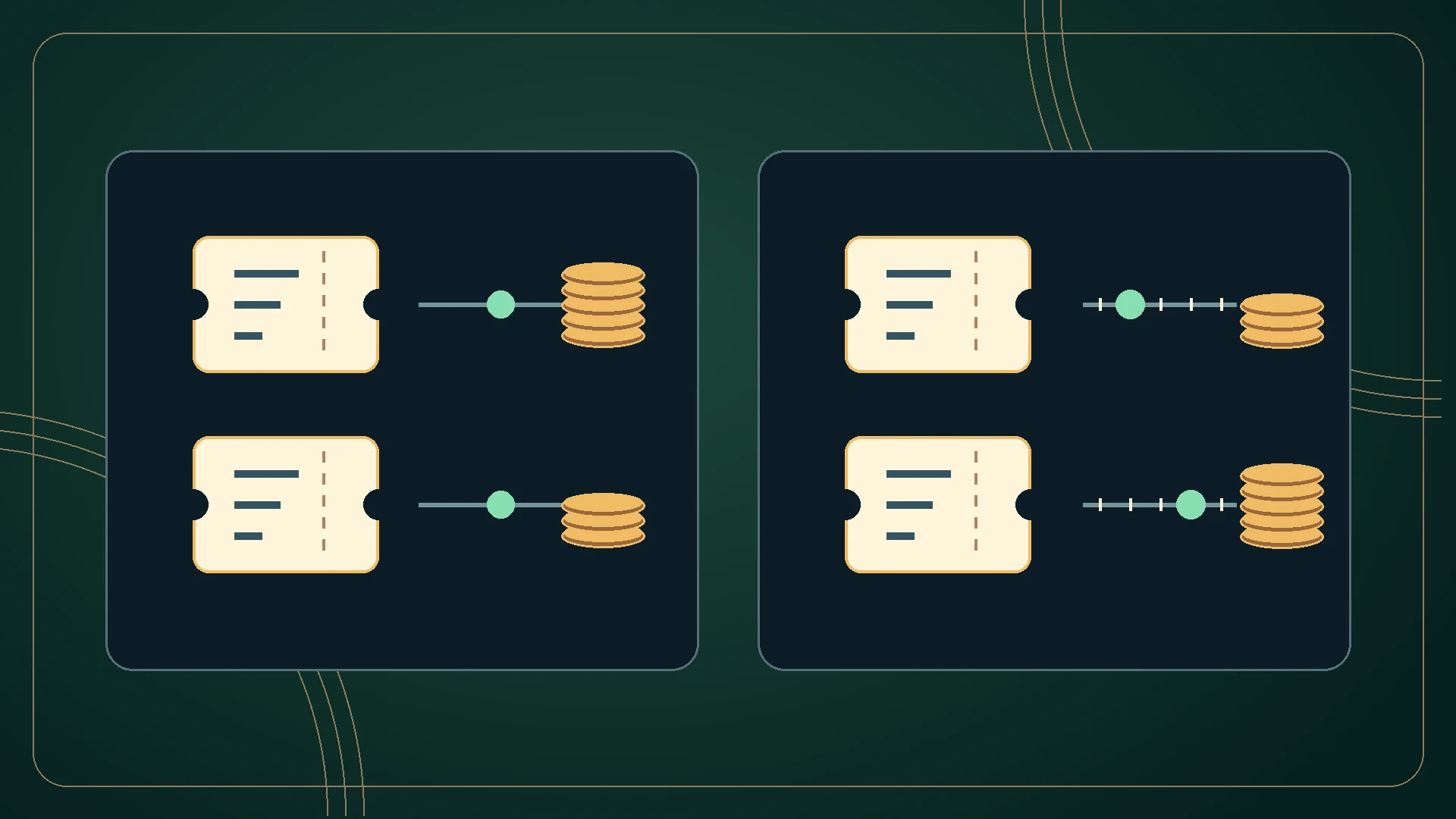
- A better price on the same spread pays about 7.58 more profit per 100-unit stake when the selection wins.
- A cheaper price with a better spread can beat a worse price when the exact-three margin occurs often enough.
- Confirm event selection period stat definition overtime and settlement terms before calling one quote better.
Line shopping means comparing the available terms for the same sports wager. Sometimes the spread or total is identical and one quote pays more. Sometimes the cheaper price buys a less favorable line. Compare the market and its rules first, then see what happens to the final scores that fall between the two numbers.
Compare prices on the same number
Suppose two books offer the same team −3.5 with the same grading rules. At −110, a 110-unit stake can win 100 in profit. At −120, a 120-unit stake can win 100. On an equal 100-unit stake, those quotes pay about 90.91 and 83.33 in profit. The better quote pays about 7.58 more every time the selection wins. Their full win-or-loss break-even rates are about 52.38% and 54.55%.
| Quote | Win profit on 100 risked | Break-even if there are no pushes |
|---|---|---|
| −3.5 at −110 | 90.91 | 52.38% |
| −3.5 at −120 | 83.33 | 54.55% |
Use the odds converter when one quote is American and the other is decimal. Keep the accepted price and the maximum stake in view. A better advertised quote is useful only for the amount available on it.
Compare a better price with a better spread
Take −3 at −110 and −2.5 at −120. If the team wins by four or more, both tickets win and −110 pays more. If it wins by exactly three, −3 pushes while −2.5 wins. For a margin of two or fewer or an outright loss, both lose. The exact-three result gains value because the NFL scoring rules award three points for a field goal.
For an illustrative distribution, suppose four or more occurs 50% of the time and exactly three occurs 8%. At 100 risked, −3 at −110 has an expected net of about +3.45 units. The −2.5 at −120 quote has an expected net of +6.33. If exactly three occurred only 3%, with the same 50% chance of winning by four or more, −3 would have the higher expectation. The decision depends on the probability of the specific score band and the prices on offer.
Match the conditions on both tickets
Check the event, the selection, the period, the stat definition, overtime, participant rules and the time of the quote. A regulation moneyline that offers a draw covers a different outcome from a full-game winner market. A total with listed pitchers may also grade differently after a change. Record the time and the published settlement terms before calling one price better.
Track the quotes you could actually accept
Log the line and price from the accepted slip, plus any fees and limits. Keep a separate closing-line comparison for the same market and settlement rules. Research on price movements in baseball markets shows why timestamps and market context matter when interpreting moves. A more favorable price improves the terms of the same bet. Deciding whether the price has positive expectation still requires an estimate of the outcome.
Sources