Betting
Malik Beasley Indicted in Federal NBA Prop-Bet Scheme

 Add Gaming.net to your preferred sources on Google

Federal prosecutors have charged two former NBA players and four other men over an alleged ring that bribed a player to rig his own on-court statistics and then bet on the results — the most detailed case yet in a crackdown that has exposed how easily player prop markets can be manipulated from the inside.
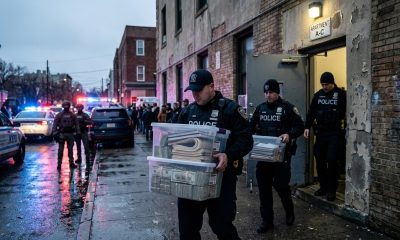
The U.S. Attorney’s Office for the Eastern District of New York unsealed the indictment on June 29, 2026, in Brooklyn federal court. It charges former Milwaukee Bucks guard Malik Beasley and his onetime teammate Ed Davis, along with William Brown, Robert Gorodetsky, Ernesto Plascencia, and current NBA player agent Paolo Zamorano, with wire fraud conspiracy, bribery in sporting contests, honest-services wire fraud conspiracy, and money laundering conspiracy. Several defendants were arrested across the country, and Beasley is coordinating a voluntary surrender, according to his attorney.
How the alleged scheme worked
Prosecutors describe a tight corruption loop. Beasley, then with the Bucks, allegedly agreed to underperform — and at times overperform — on specific betting statistics in return for payments, while Davis, cast in the indictment as Beasley’s “gatekeeper,” relayed that non-public information to the rest of the group so they could place prop bets before tip-off.
The indictment points to at least four games during the 2023-24 season. Before a January 26, 2024 game against the Cleveland Cavaliers, Beasley allegedly signaled he would fall short of his rebound line; a February 27, 2024 matchup against the Charlotte Hornets and a March 10, 2024 game against the Los Angeles Clippers followed the same pattern. Across the targeted games, the group placed wagers totaling hundreds of thousands of dollars through multiple sportsbooks, prosecutors say, with examples cited in the case involving more than $75,000 in bets that returned at least $121,000.
The alleged motive was debt. Beasley earned nearly $60 million over his nine-year NBA career but had accumulated multimillion-dollar gambling losses, prosecutors say, and the payments he received frequently took the form of Davis reducing or erasing what Beasley owed him rather than cash changing hands. The scheme reportedly unraveled when Beasley exceeded his rebound total in a March 21, 2024 game against the Brooklyn Nets, leaving co-conspirators out of pocket; Davis allegedly abandoned it days later, once news surfaced that another player was under investigation.
Why prop markets are the pressure point
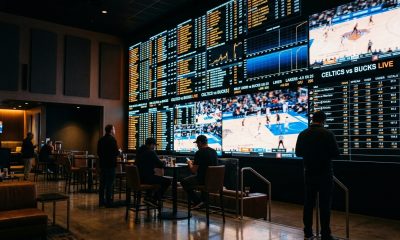
For regulators and sportsbooks, the case strikes at the most exposed corner of the legal betting market. Point-shaving requires bending the result of an entire game; a player prop can hinge on a single rebound or a late basket — something one athlete can influence without changing who wins. That makes props uniquely vulnerable to the kind of insider tip the indictment describes, and it is why integrity firms and books watch prop wagering for unusual line movement.
The pressure is already reshaping the rules. Indiana regulators recently pushed back a decision on banning college player props until later in 2026, and New York’s gaming authorities have weighed restrictions on live, in-play wagering on comparable risk grounds. Player unions across US sports are pressing to curb prop markets, and this indictment hands fresh ammunition to officials who argue that some bet types carry more integrity risk than the revenue justifies.
A widening federal net
Beasley and Davis are the fifth and sixth current or former NBA players named in federal gambling indictments in two years. The case overlaps with prosecutions of former Miami Heat guard Terry Rozier and Portland Trail Blazers coach Chauncey Billups, and with the guilty plea of former player Damon Jones — all part of an Eastern District of New York investigation into insider betting on NBA games. Prosecutors allege the ring wound down its activity only after news broke that Toronto Raptors player Jontay Porter was under investigation for similar conduct; the league banned Porter for life in April 2024.
Each defendant faces up to 20 years in prison on the fraud and money-laundering counts and up to five years on the sports bribery count, though the charges are allegations and all six are presumed innocent. U.S. Attorney Joseph Nocella Jr. said schemes like this one “erode the integrity of American sports and victimize the sports-watching public.” Beasley’s attorney, Steven Haney, told ESPN that “an indictment is not proof of guilt” and that the defense maintains his client’s innocence; Zamorano’s lawyer called the charges against his client unfounded. The NBA said it is reviewing the indictment and cooperating with authorities.
The financial fallout for Beasley predates any verdict. A three-year, $42 million offer from the Detroit Pistons collapsed after the investigation surfaced in June 2025, and he has not played in the NBA since — a reminder that in a market built on public trust, the suspicion of a single fixed prop can cost far more than the wager ever paid out.