Betting
Sunak’s Ex-Aide Admits Cheating in Election Betting Case

 Add Gaming.net to your preferred sources on Google

Craig Williams, the former Conservative MP who served as parliamentary private secretary to then-Prime Minister Rishi Sunak, has admitted using confidential government information to bet on the date of the 2024 UK general election. He pleaded guilty at Southwark Crown Court on June 29, 2026, becoming the most senior figure to admit wrongdoing in the UK Gambling Commission’s prosecution of a scandal that trailed the final weeks of the last Conservative government.
Williams, 41, admitted the offence of cheating at gambling — a crime under UK gambling law that turns on using inside knowledge to gain an unfair edge in a betting market. Prosecutors told the court he placed three wagers of £250, £100 and £22.50 on the timing of the poll while he sat inside Sunak’s circle. Sunak announced the July 4, 2024 election on May 22, 2024, catching much of his own party off guard; before that announcement, several bookmakers ran special markets on when the vote would be called.
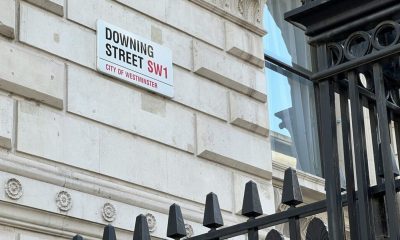
The regulator’s account is blunt about what that access meant. Williams, who became Sunak’s parliamentary aide in 2022 and was sworn into the Privy Council the following year, attended meetings at 10 Downing Street and Conservative headquarters where the election date was discussed. The Commission called the election date “highly sensitive and confidential information,” and said that “instead of keeping it secret Craig Williams sought to profit from it.” He had earlier characterised the bets as an error of judgment rather than an offence when the story first broke during the 2024 campaign.
How the bets surfaced
Betting on the timing of an election is legal in Britain, and politicians are free to place those wagers — the line they cannot cross is trading on privileged information the rest of the market does not have. That distinction is what turned a niche political market into a criminal case.
The bets drew scrutiny in part because of the machinery operators are already required to run. Williams’s £100 stake on a July election, placed through a Ladbrokes account, was flagged because he was registered as a politically exposed person — a category of prominent public figures whom betting firms must subject to enhanced checks, according to reporting by iGaming Business. Those anti-money-laundering controls, built to catch corruption and illicit funds, doubled here as an early-warning system for insider betting.
Alongside Williams, Amy Hind, who worked for the NHS as a business support manager and had previously held Conservative Party roles, also pleaded guilty. The Commission said she bet on the election with the benefit of confidential information passed to her about when it would be called. A separate charge against her husband, Conservative deputy digital director Anthony Hind, alleging he supplied that information, was dropped.
Why the case matters for betting markets
For the Commission, the guilty pleas are the clearest test yet of a decision to treat election-date betting as a market that can be corrupted like any other. The investigation, known as Operation Scott, began in June 2024 and led the regulator to charge 15 people, who first appeared before Westminster Magistrates’ Court in June 2025. Cheating at gambling carries a maximum sentence of two years in prison, a fine, or both.
The wider significance sits in the precedent. Political and event betting markets have drawn growing regulatory attention worldwide, from prediction-market crackdowns to scrutiny of how sensitive information moves around them. The Commission treating confidential government timing as inside information establishes that the integrity standards long applied to sports betting reach into political wagering — and that operators’ monitoring duties extend to spotting it.
The case has already carried a political cost. Williams lost his Montgomeryshire seat at the 2024 election as the Conservatives were swept from power after 14 years, and the betting affair became a late-campaign liability for a party heading toward its worst modern defeat. It arrived as the British betting industry was already absorbing tighter scrutiny of how it markets and monitors its customers.
What happens next
Sentencing will be staggered. Amy Hind is due to be sentenced at Southwark Crown Court on October 23, 2026; Williams will be sentenced later, after his co-defendants have been tried, and three further cheating charges he denied are set to be dropped at that point.
Twelve remaining defendants — a group that includes other Conservative figures and a former Metropolitan Police officer — have denied the charges and will face two trials, the first scheduled for September 2027 and the second for January 2028. With those proceedings running into 2028, the election-betting case will stay an open integrity question for the British betting industry well beyond the current parliamentary term.