Sports
How Sports Bets Settle: Wins, Pushes, Voids, and Dead Heats
Follow the money on a winning, losing, pushed, or voided sports bet, and see what changes when the same selection is part of a parlay.

 Add Gaming.net to your preferred sources on Google
Key PointsA push and a void both refund the stake on a straight bet but follow different…
View more
- A push and a void both refund the stake on a straight bet but follow different settlement rules.
- A parlay push can remove that leg and reprice the remaining selections at their original odds.
- A dead heat splits the stake across the tied outcomes so only part of the ticket wins.
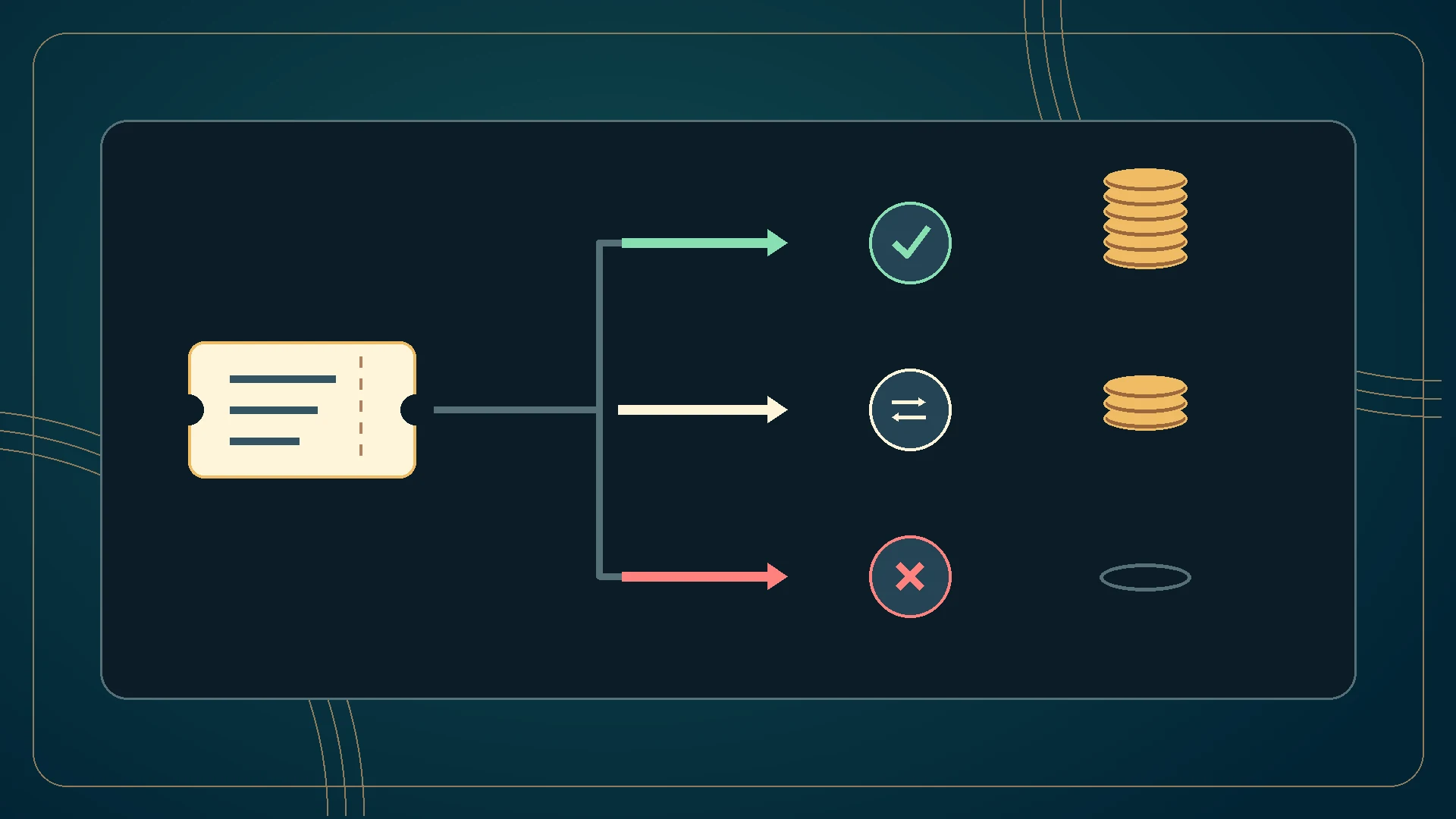
A sports bet settles against the rules of the exact market on the accepted ticket. A selection can win, lose, push, or be declared void. Those last two often return the same amount on a straight bet, but they happen for different reasons. On a parlay, the difference can matter because the remaining selections may be repriced, left in action, or voided under separate rules.
Follow the money on one straight bet
Say you stake 20 units at decimal odds of 1.90. A win returns 38, including the 20 you staked. The net profit is 18. A loss returns zero. A standard push or void returns the 20-unit stake, leaving no profit or loss.
| Result | Why it might happen | Gross return in the example | Net change |
|---|---|---|---|
| Win | The selection satisfies the ticket’s conditions | 38 | +18 |
| Loss | The selection fails and the market stands | 0 | −20 |
| Push | A whole-number spread or total lands exactly on the line | 20 | 0 |
| Void or no action | A required participant or other condition fails under the rules | 20 | 0 |
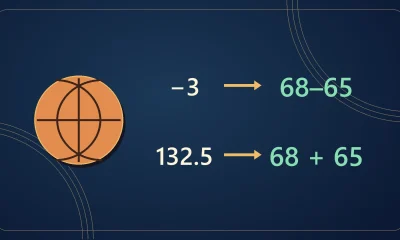
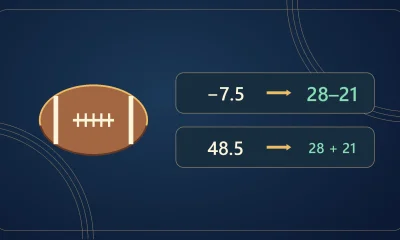
A game ending 24–21 can push a favorite −3 ticket and lose a favorite −3.5 ticket. A game may also be postponed and keep the wager in action if it is played inside the operator’s published window. The UK Gambling Commission’s settlement guidance describes the role of the advertised rules.
Check the period and participant named on the slip
A soccer match tied after regulation can grade as a draw even if one team later advances. A basketball player’s points can be graded differently across full-game and first-half markets, and a player-prop rule may require a start or a minimum level of participation. A baseball game may be official for the league while the operator voids a specific total under its innings requirement. Keep the accepted ticket, check the market period, and use the settlement source named in the rules.
Follow a push through a parlay
Suppose a two-leg parlay uses independent prices of 1.90 and 2.10. The quoted product is 3.99. If the 2.10 leg pushes and the house treats it as removed, a 10-unit winner pays 19 at 1.90. With both legs winning at the original price it would pay 39.90. A same-game product can apply a different rule, including a fresh quote for the combination or a refund. The Massachusetts Gaming Commission’s published house-rule materials show an example of repricing after a push or void. See the parlay walkthrough for the original multiplication.
Work a dead heat from the stake
Suppose two golfers tie for one remaining paid finishing place. Under a split-stake rule, half of a 20-unit ticket at 4.00 wins and the other half loses. The gross return is 40 and the net profit is 20. A ticket that explicitly pays ties in full has different terms. The PGA Tour’s dead-heat examples show how the number of places remaining changes the fraction.
If the final result still looks wrong, compare the accepted number, the applicable rule, the official result and the settlement timestamp. Save those together so the operator can identify the actual wager and explain the calculation.
Sources
- UK Gambling Commission, settling bets in accordance with published rules
- Massachusetts uniform standards of sports wagering
- Massachusetts accounting and internal controls, including cancelled wagers
- Massachusetts Gaming Commission, operator house-rule materials
- MLB regulation-game definition
- PGA Tour, dead-heat examples for golf bets