Reviews
Master Lemon: The Quest for Iceland Review (PS5, Xbox Series X|S, Nintendo Switch & PC)


Some games aim to entertain you. Others want to challenge you. But every once in a while, a game comes along that quietly makes you pause, breathe, and remember what makes us human. Now, Master Lemon: The Quest for Iceland is one of those rare gems.
At first glance, its pixel art world looks like any cozy indie title: charming characters, soft colors, and a curious protagonist named Lemon. But beyond that, something much more profound: a story about the power of words, the fragility of memory, and the beauty of human connection. Sounds fantastic, right? Well, let’s dive into its review for a closer look.
A World Losing Its Voice
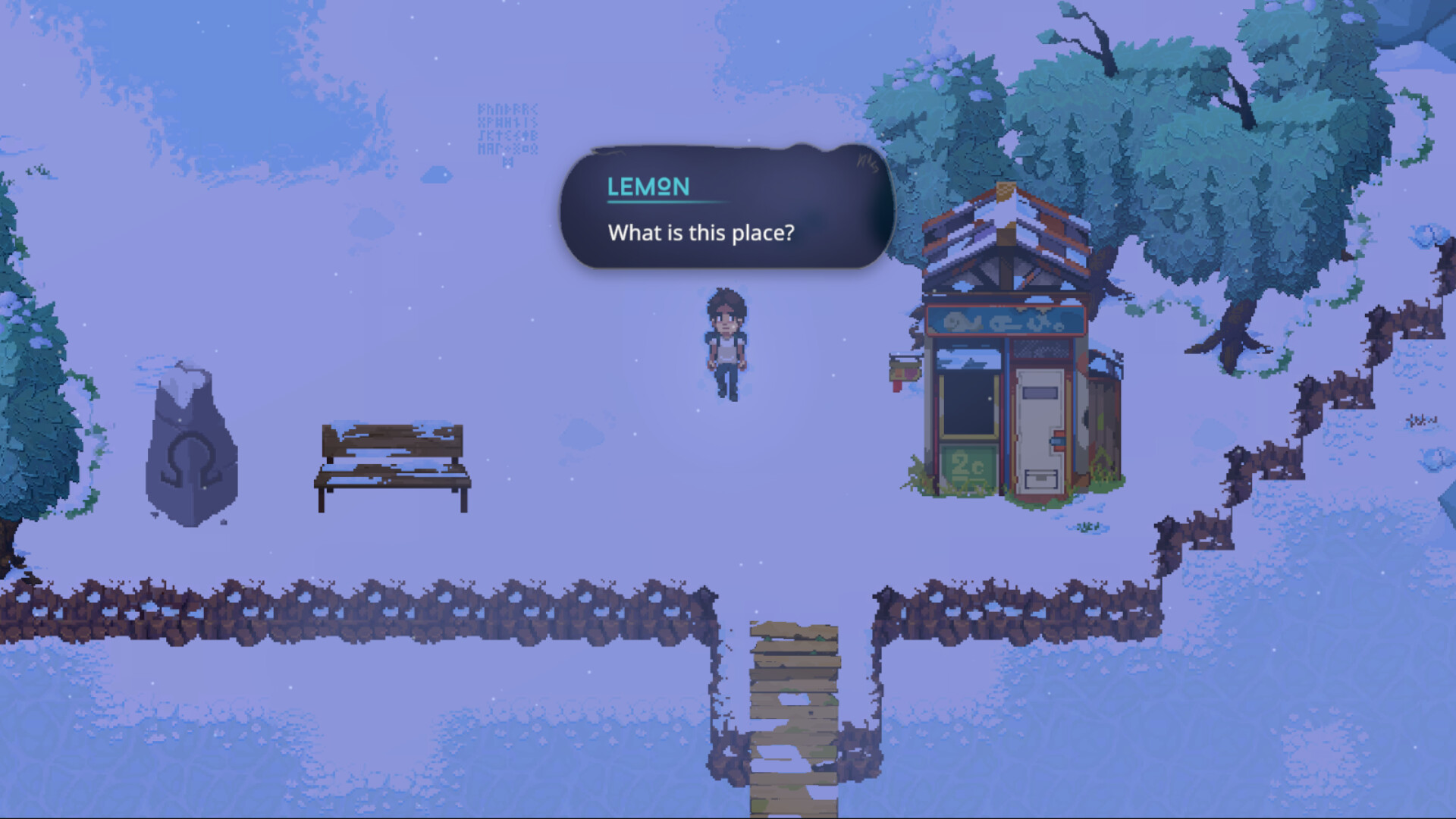
The game takes place on the Bashires Islands, a strange and beautiful place that’s being consumed by a memory-eating plague. But this isn’t a typical apocalypse. The world isn’t burning, it’s forgetting. Words are vanishing from the air, and with them, entire cultures and memories.
You play as Lemon, an endlessly curious traveler who believes language can heal the world. He’s not a hero with a sword, though, but someone who listens, learns, and carries stories. His goal is simple. To reach Iceland. Of course, ot the real one, but a dreamlike place that represents hope and understanding.
It’s a beautiful setup. The writing is simple but full of emotion. You’ll meet villagers who can’t remember their own names, poets who’ve lost the words for love, and friends who speak in fragments because their language is fading. Each encounter hits a little harder than the last, especially when you realize how fragile communication can be.
Master your Language

What makes Master Lemon so special is how it turns words into actual gameplay. You don’t just talk to characters, you collect and use language to change the world. As you travel, you learn bits and pieces of over 25 real-world languages, from Portuguese to Japanese. Each word has a meaning and a use. A Spanish word might calm a storm. A French one might bring light to a dark cave. The more you learn, the more the world opens up.
On the other hand, the puzzles are clever without being frustrating. Sometimes you have to match a word to an image; other times you’ll rebuild lost sentences or combine phrases to create new meanings. It feels like solving riddles through empathy instead of logic. Ultimately, you’re not just clicking solutions; you’re trying to understand.
Now, here is the best part. The game offers a simple learning curve. It’s not trying to teach grammar or vocabulary; it just celebrates the magic of language itself. A single word can mean so much depending on who says it. When you restore a word to someone who’s forgotten it, the world bursts back into color.
Small Pixels, Big Feelings
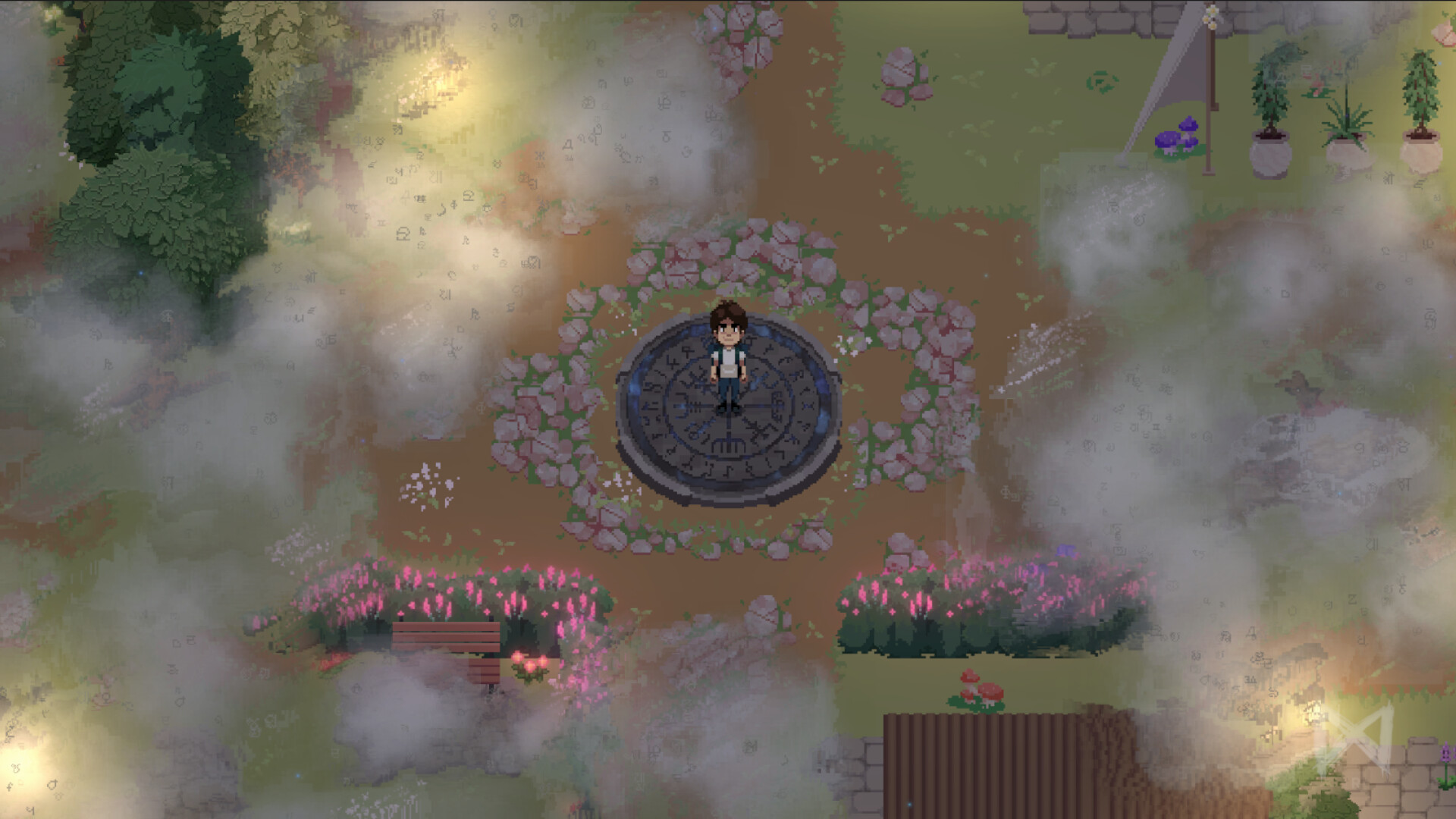
Pepita Digital has built a pixel-art world that honestly feels way more alive than you’d expect at first glance. Nothing is overly detailed or trying to show off, but there’s this gentle charm in the way everything’s put together. One thing players will absolutely love is how the world reacts when a language disappears. Colors drain out, signs lose their meaning, and the whole place feels tired, like it’s slowly forgetting itself. Then Lemon brings the words back, and suddenly the world pops with life again.
The characters are surprisingly expressive for tiny pixel people. A small bounce, a quick smile, or even the way someone pauses before remembering something, it all reads so naturally. Players can tell what they’re feeling without a paragraph of dialogue, which makes moments when they regain a lost memory feel genuinely sweet.
The menus are perfectly placed. Your collection of words sits inside this floating little book that opens with a soft motion, almost like it’s happy you’re checking in again. Nothing feels rushed or generic. You can almost sense the developers fussing over every small detail until it feels right, not perfect, but right. Ultimately, it’s one of those games where the visuals aren’t just decoration. They actually carry the story’s emotion, which makes the whole journey feel warmer and more personal.
Music Done Right

For all the clever puzzles and beautiful landscapes, the heart of the game really comes from the people you meet along the way. Every island has someone trying to cope with the memory-eating plague in their own way. It could be a scholar stuffing old phrases into jars like fireflies. The fisherman who only remembers the melodies of forgotten songs, or a kid who communicates entirely through drawings because that’s the only “language” he has left.
Notably, their stories are short, but they hit surprisingly hard. One moment that will stay with you is when Lemon helps a scientist recover the final word her partner ever wrote to her. Nothing dramatic happens, no sweeping music, no big emotional speech. It’s just this small, quiet moment between two characters, and it feels real in a way fantasy games rarely manage.
The game doesn’t drown you in sadness, though. Lemon has this curious, sometimes cheeky way of looking at the world that keeps the mood from getting too heavy. A lot of the dialogue feels warm and honest. It’s the kind that sneaks up on you and makes you smile without realizing it.
If there’s a downside, it’s that a few character arcs feel like they end a little too quickly. When you’re getting attached, the story pushes you onward. It’s not a deal-breaker, but there are moments you will wish the game lingered just a bit longer and gave these people a little more space. Still, the ones you meet, even briefly, tend to stick with you long after you move on.
Exploring and Growing

The adventure unfolds at a comfortable pace. Each island offers new puzzles and mechanics without rushing players. Of course, you’re free to explore, talk to everyone, and piece together clues in your own time. The puzzles evolve gradually. One moment you’re rearranging letters to rebuild a forgotten word, the next you’re translating fragments of an old song that unlocks a hidden memory. It’s varied enough to stay interesting.
Instead of traditional levels or upgrades, Lemon’s growth is tied to understanding. Interestingly, the more languages you master, the more meaning you can uncover in the world. You start to notice small details, patterns, connections, and echoes of old phrases, and that sense of discovery is its own reward. Additionally, the pacing is deliberate, but that’s part of the charm. Master Lemon wants you to take your time and really see the world.
The Inspiration

What makes Master Lemon: The Quest for Iceland even more special is its real-life inspiration. The game is dedicated to André Lima, a linguist and adventurer whose passion for cultures and languages inspired the project. You can feel that love in every scene. It’s clear the team at Pepita Digital wasn’t just making your typical indie game; they were honoring a friend. The story celebrates curiosity, travel, and connection across cultures. It’s simply genuine.
Now, knowing that background makes the whole experience hit even harder. It’s a reminder that games can be more than entertainment. Similarly, they can carry real memories and emotions from the people who create them.
Technically, the game runs great. It’s light, smooth, and supports both Xbox and PlayStation controllers right out of the box. The interface is also clean, and it supports full Steam Cloud and Family Sharing. Accessibility options are surprisingly robust for an indie game. Interestingly, you can resize text, use colorblind modes, and even activate hint options if you’re stuck. The multiple subtitle languages, English, Portuguese, Spanish, and French, make it easy for players around the world to enjoy. Ultimately, everything about the design feels thoughtful, as if the developers genuinely wanted everyone to be part of Lemon’s journey.
The Verdict
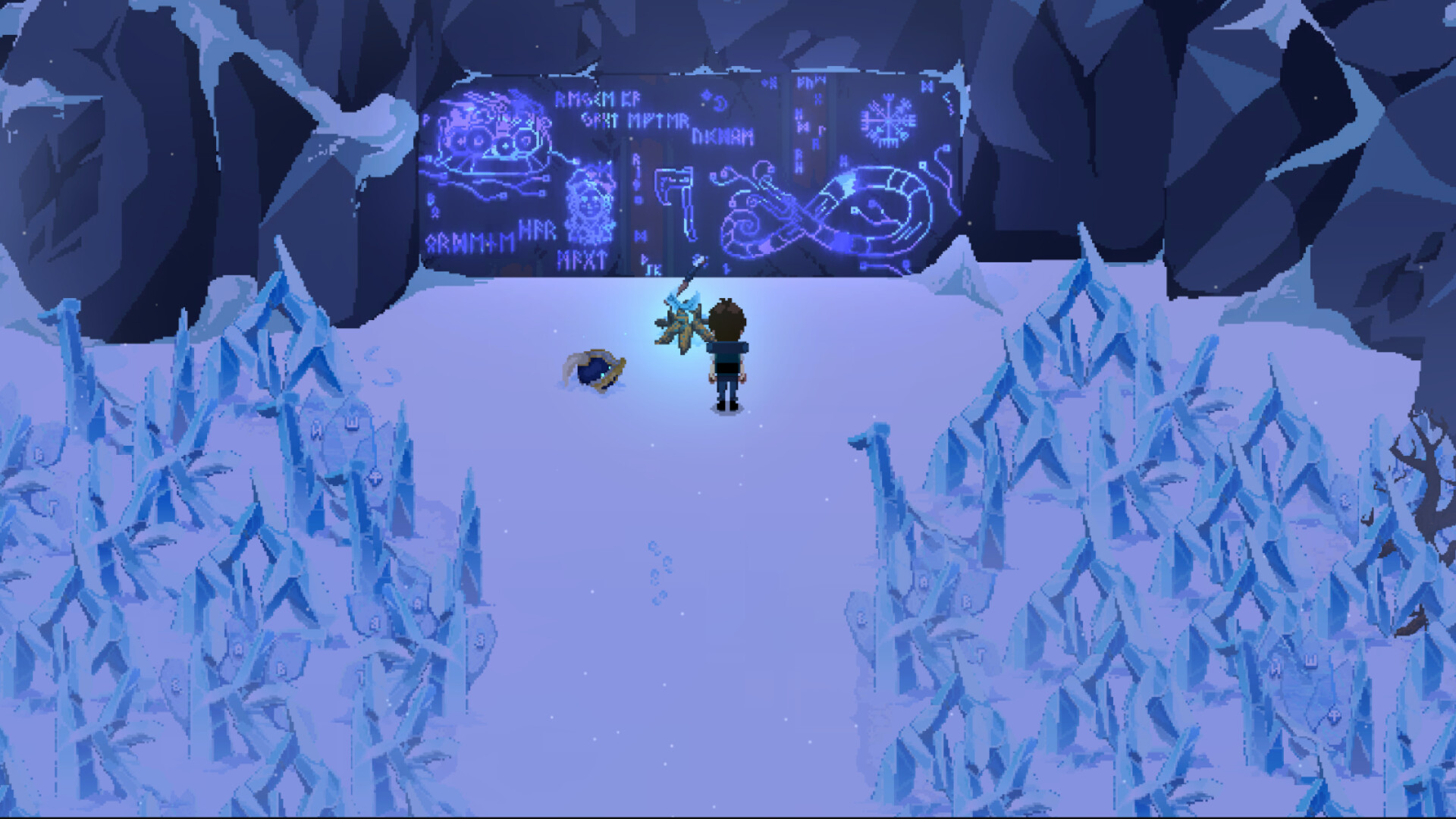
If you loved games like Spiritfarer, To the Moon, or Night in the Woods, you’ll feel right at home here. Master Lemon: The Quest for Iceland is a touching celebration of language, friendship, and memory. It’s about the things that hold us together even when the world feels like it’s coming apart. And it’s proof that sometimes, the smallest indie games can say the most.
Master Lemon: The Quest for Iceland is one of those games that sneaks up on you. You go in expecting a cute pixel adventure, and somehow you walk away thinking about language, memories, and the people who shape your life. It’s heartfelt without being corny and packed with small moments that stick with you longer than you’d expect.
Of course, it’s not perfect; a few character stories wrap up a little too quickly, and there are moments where you might want the game to slow down and let you breathe with the people you’ve met. But even with those small flaws, the overall experience is warm, imaginative, and genuinely moving. If you love narrative adventures, cozy exploration, or fantasy games that quietly say something honest about being human, Master Lemon is absolutely worth your time.
Master Lemon: The Quest for Iceland Review (PS5, Xbox Series X|S, Nintendo Switch & PC)
A Tribute Made with Love
Master Lemon: The Quest for Iceland is not just a tribute to words, it’s a tribute to the people who speak them, remember them, and share them. If you love emotional, narrative-driven adventures, this is absolutely for you. Pepita Digital has created something timeless, a game that doesn’t just entertain but communicates.




