Reviews
Dream Cage Review (Xbox Series X|S & PC)

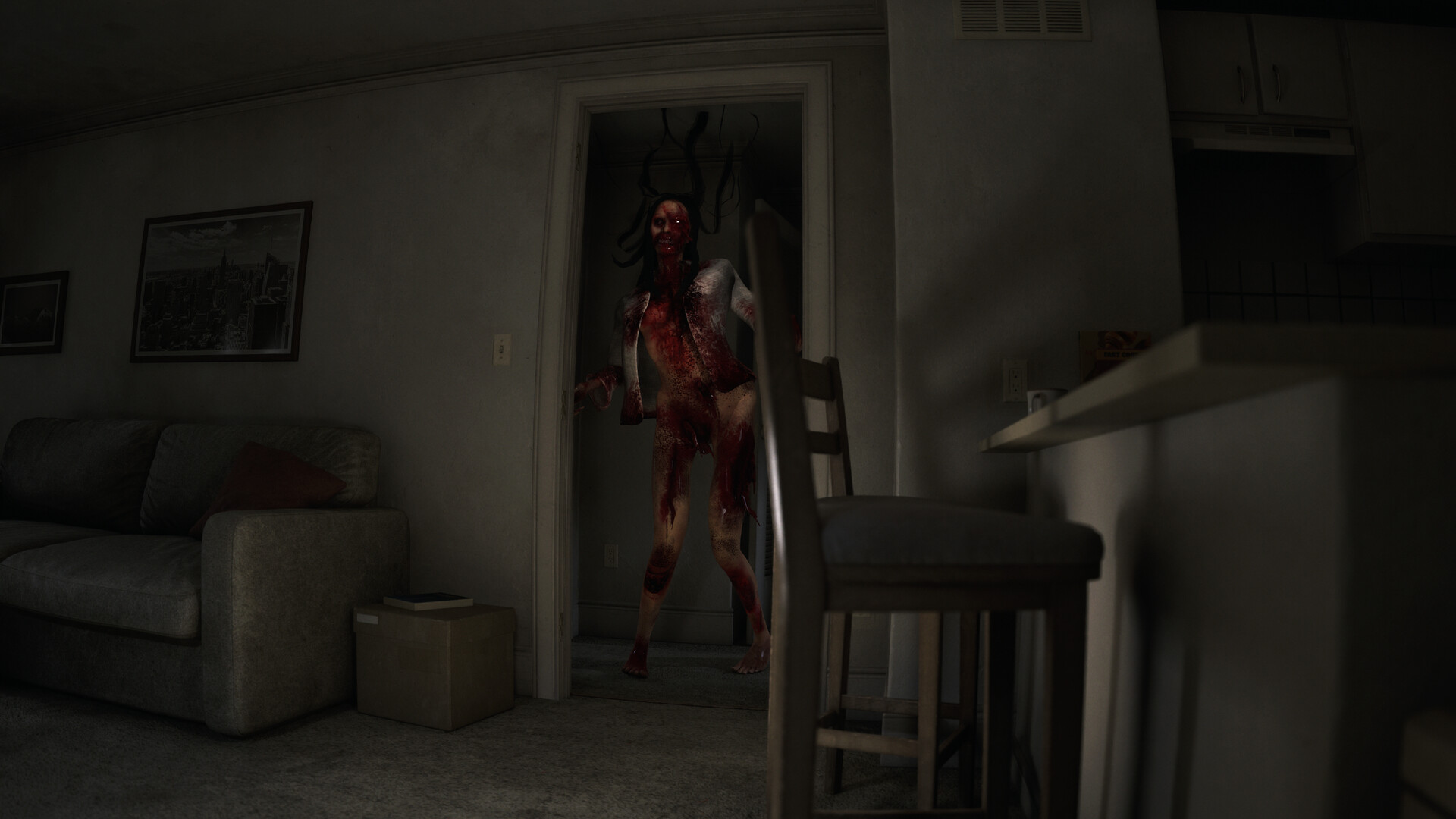
I feel as if I should give Dream Cage some credit for its atmosphere and its world-building abilities, even though it does, rather disappointingly, fail to deliver a coherent message. It’s a game that I want to celebrate—to acknowledge as a genuinely enthralling indie in the anomaly-hunting airspace. The concept is there, as is all of the research and the authenticity of a sleep paralysis episode. The scares, too, while light and often lacking in shock value, also bring about some surprisingly unsettling moments, too. But, it’s the little things that dampen the mood—the frequent bugs and the lack of transparency in the gameplay itself, for example. It knows what it wants to do, but it doesn’t quite hit the nail on the head.
Sleep paralysis is an ideal subject matter for the indie psychological horror genre, that much is known. With that, you would half expect a game like Dream Cage to have something of an advantage over its peers. It isn’t a concept that you need to tweak in order to deal a powerful blow to the senses. Simply, you can switch out the lights, draw the curtain, and let the mood shift its course and take the world into its own hands. Even if you remove the basic elements of gamification from the equation, you can, in theory, still deliver a solid interactive horror experience. And, to be clear, Dream Cage does bring a little of that to the table. The thing is, it also stumbles more often than it should.
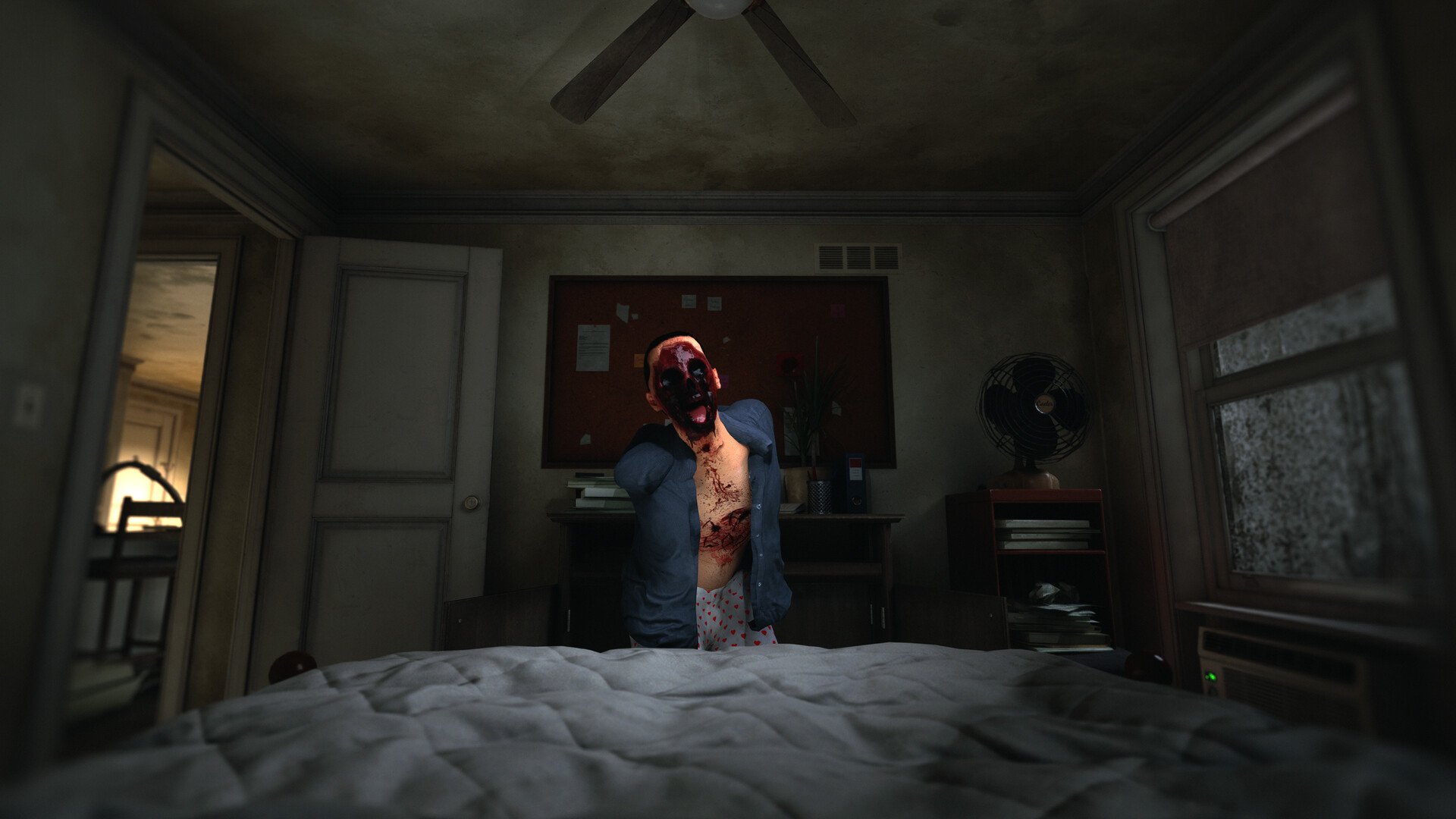
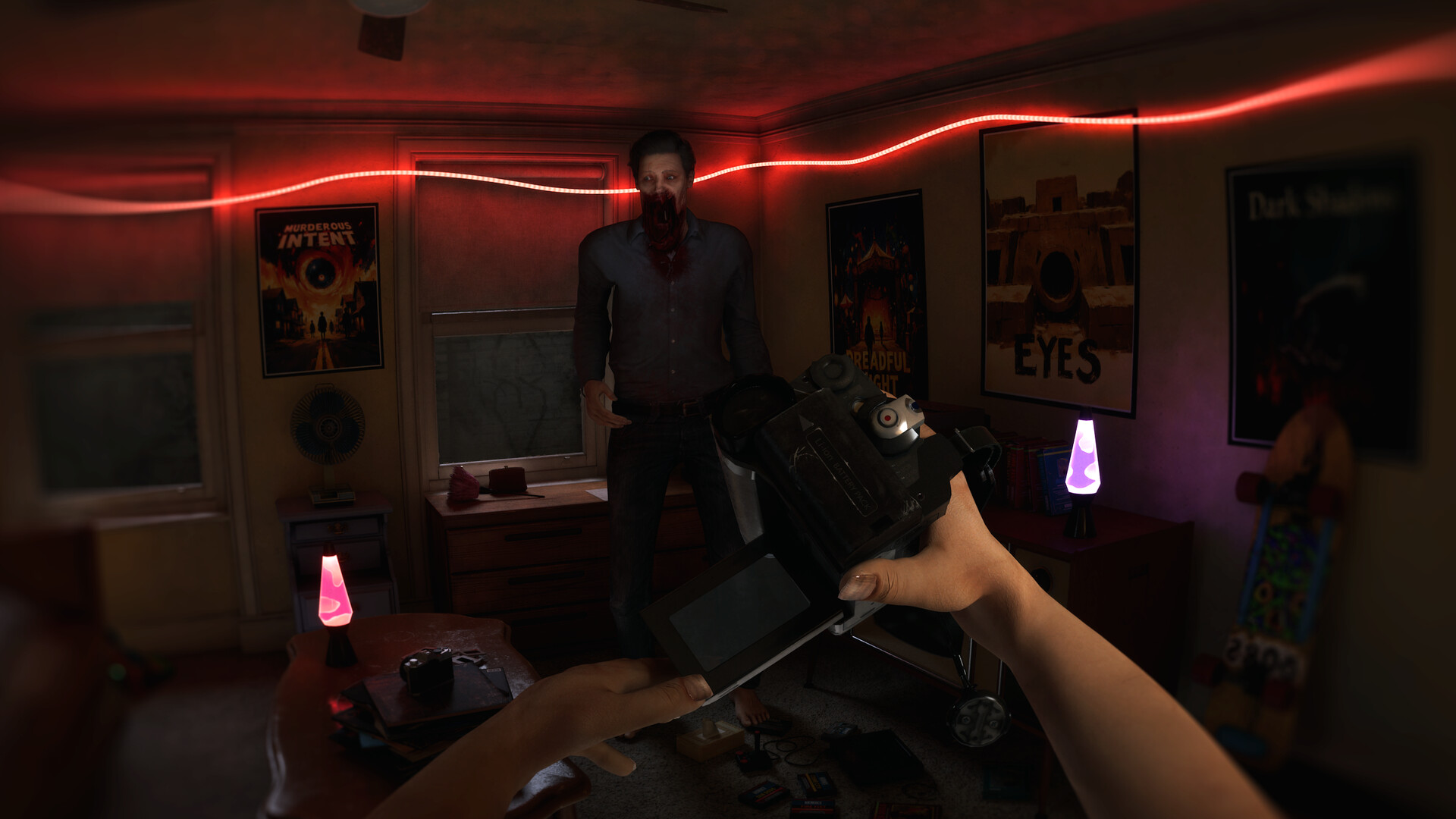
An anomaly-hunting game at heart, Dream Cage puts you in the position of a sleep paralysis victim—an ordinary person who tackles each night with the aid of two things: pills, and a handful of batteries. As night falls, the character begins to thread the needle and start connecting dots in his head. With a camera, he daringly decides to record his surroundings, all in the hopes of unraveling a hidden layer in an otherwise familiar world. He takes a pill, and he keeps his fear of the unknown from escalating beyond the point of no return. The night draws to an end, and he returns the following evening to remove another layer, and then another layer, and then another.
The objective of Dream Cage is to balance two things: batteries—an item that can be used to power a camera and capture footage; and pills, which can restore your sanity and, in turn, eradicate an ever-escalating sense of fear. As the night progresses, you must use the tools at your disposal to locate unnatural occurrences in the atmosphere, and keep your fear from rising to an alarming level. Like a traditional anomaly-hunting horror game, the idea is simple: gather footage, and survive long enough to complete the picture.
On paper, Dream Cage sounds brilliant. With a safety net of psychological fodder to lean on, it brings about a no-nonsense excursion that should, in theory, work on its own merits. And honestly, for the most part, it does deliver on its promise to incubate an unsettling experience. But again, it’s the little things that drag it down, like the lack of batteries, the seemingly barren world, and the anomalies that are indescribably abstract—to the point where you simply cannot find them. To make matters worse, at no point does the game tell you what to do or how to progress. It doesn’t offer you any helping hands, and it doesn’t outline the general rules of the game. Rather, it hands you a lot of alien jargon, and it scoots you in a random direction.
I’ll admit that, while Dream Cage does take some getting used to, it is a game that tends to get better as you spend more time with it. While the objects are a pain in the backside to find, the game does have some strong components that deserve to be celebrated here. For example, the atmosphere is great, as is the overall presentation and the general tone that it reflects. The story, too, isn’t half-baked or the least bit mundane. The problem is, with several bugs and poor design choices, it’s often a little difficult to appreciate these small clouds of color. Again, it has the right idea, but it doesn’t seem to have the power to execute it.
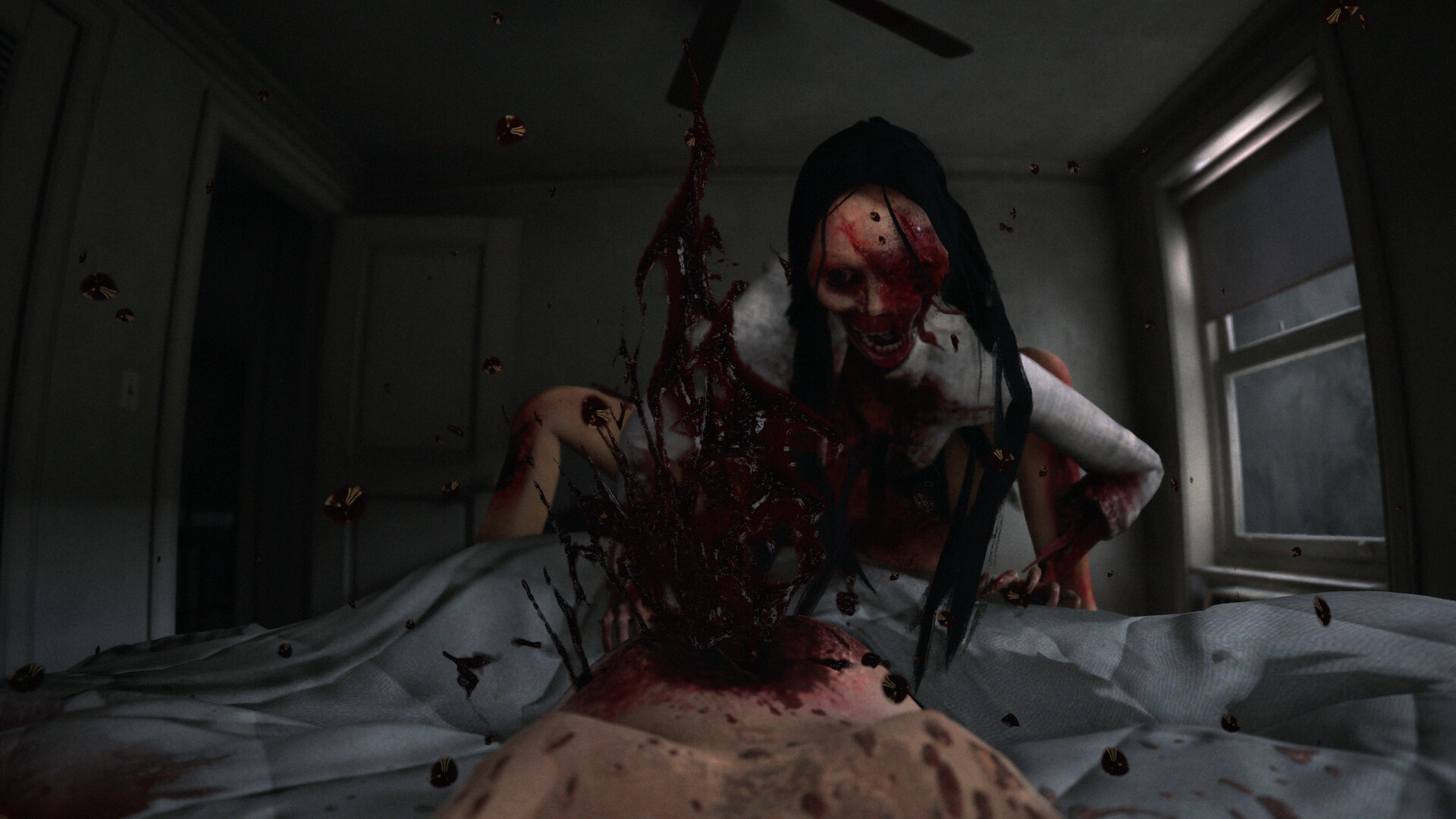
When Dream Cage finds its rhythm, it’s a great place for you to sink your knuckles into. Sadly, though, it makes it so darn hard to find brief spells of joy in its tedious format. As pills can be depleted extremely quickly—to the point where you have no choice but to cave in and start the stage from scratch due to a lack of time—there is a lot of frustration that stems from several poor design choices. In any case, you can glide through the night, interact with fixed sequences, and progress through the story beats. But then, there are several occasions where progression isn’t always as smooth; the batteries disappear, and your fear level falls to its lowest point, effectively leaving you to die and replay the same sequences again and again. And that’s a major problem here, as it has the ability to pull you in.
Of course, if you enjoy short-burning anomaly-based psychological horrors, then you will more than likely enjoy Dream Cage. Frankly, it is a good game that is merely held back by several factors, such as various glitches, performance issues, and a non-existent tutorial. If you removed those flat points from the table, then you would have a perfectly serviceable psychological horror on your hands. It’s just a shame that it doesn’t lean into its greatest potential.
Verdict
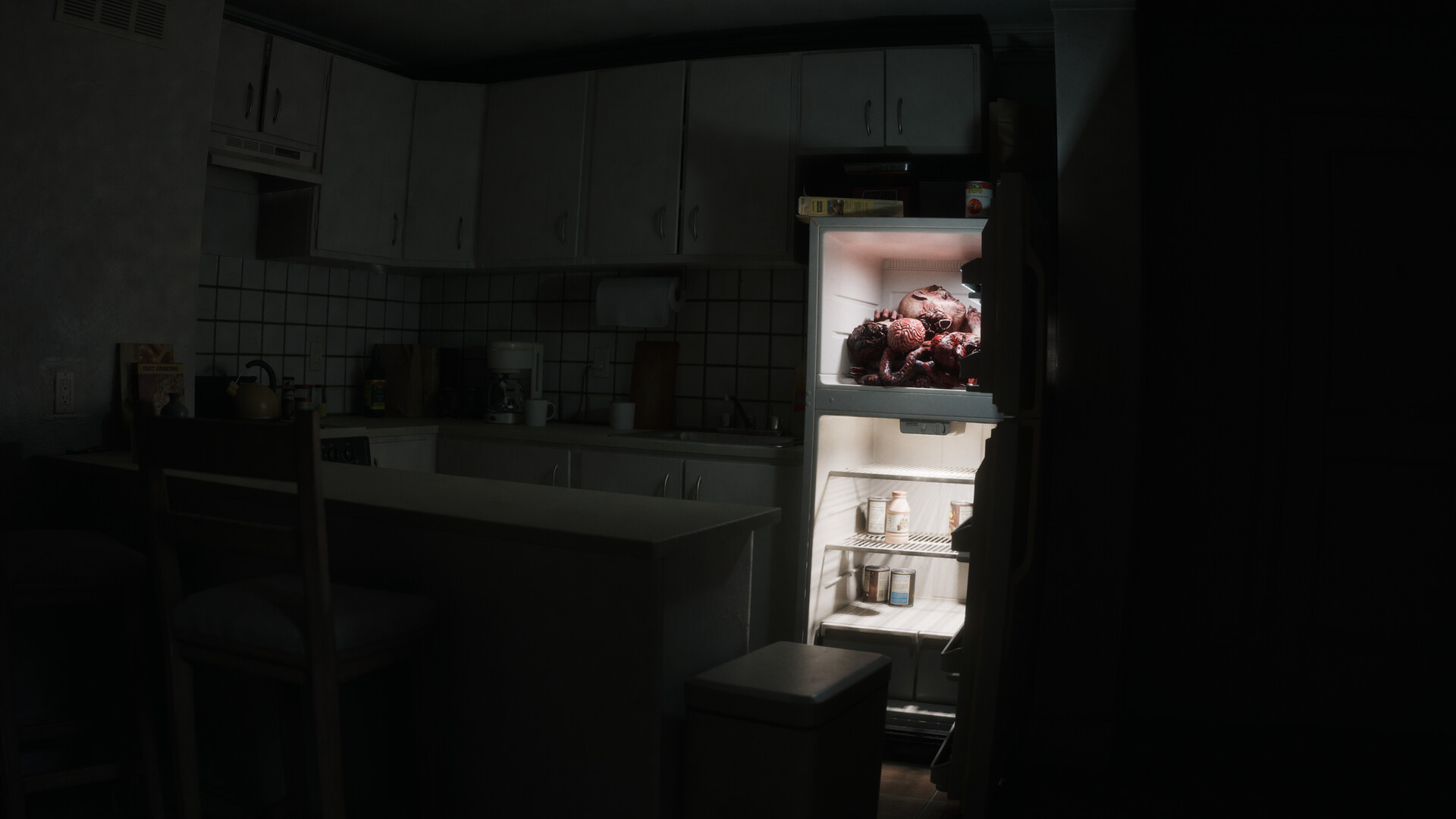
Dream Cage clearly shows a lot of promise in its psychologically enhanced format, but it also fails to weave a coherent experience that feels good to romp through, mainly due to its lack of context, in-game jitters and airtight gameplay mechanics. Don’t get me wrong, it isn’t the worst psychological horror game to grace the table, though it is one that, like countless others of its kind, has a great idea, but sadly lacks the tools to capture it in a way that deeply enthralls the imagination. In other words, it’s a great idea, but also one that could do with a few technical alterations.
Dream Cage Review (Xbox Series X|S & PC)
Batteries Depleted
Dream Cage clearly shows a lot of promise in its psychologically enhanced format, but it also fails to weave a coherent experience that feels good to romp through, mainly due to its lack of context, in-game jitters and airtight gameplay mechanics. Don’t get me wrong, it isn’t the worst psychological horror game to grace the table, though it is one that, like countless others of its kind, has a great idea, but sadly lacks the tools to capture it in a way that deeply enthralls the imagination. In other words, it’s a great idea, but also one that could do with a few technical alterations.