News
Goodwin Leads Texas Lieutenant Governor Race as Gambling Hurdles Remain

 Add Gaming.net to your preferred sources on Google
The Texas Secretary of State’s election-results page, updated on November 4, 2026, showed Democrat Vikki Goodwin leading Republican Lieutenant Governor Dan Patrick with 99% of polling locations reporting. Goodwin had 5,052,275 votes to Patrick’s 4,462,209 in the statewide tally.
The difference was 590,066 votes, calculated by subtracting Patrick’s total from Goodwin’s. The tally is not the formal declaration of a winner. Under Article 4 of the Texas Constitution, executive-election returns go through the Secretary of State to the House speaker, who opens and publishes them before both chambers during the first week of the legislative session. The constitutionally eligible candidate with the highest vote total is then declared elected.
Why the Office Matters for Gambling
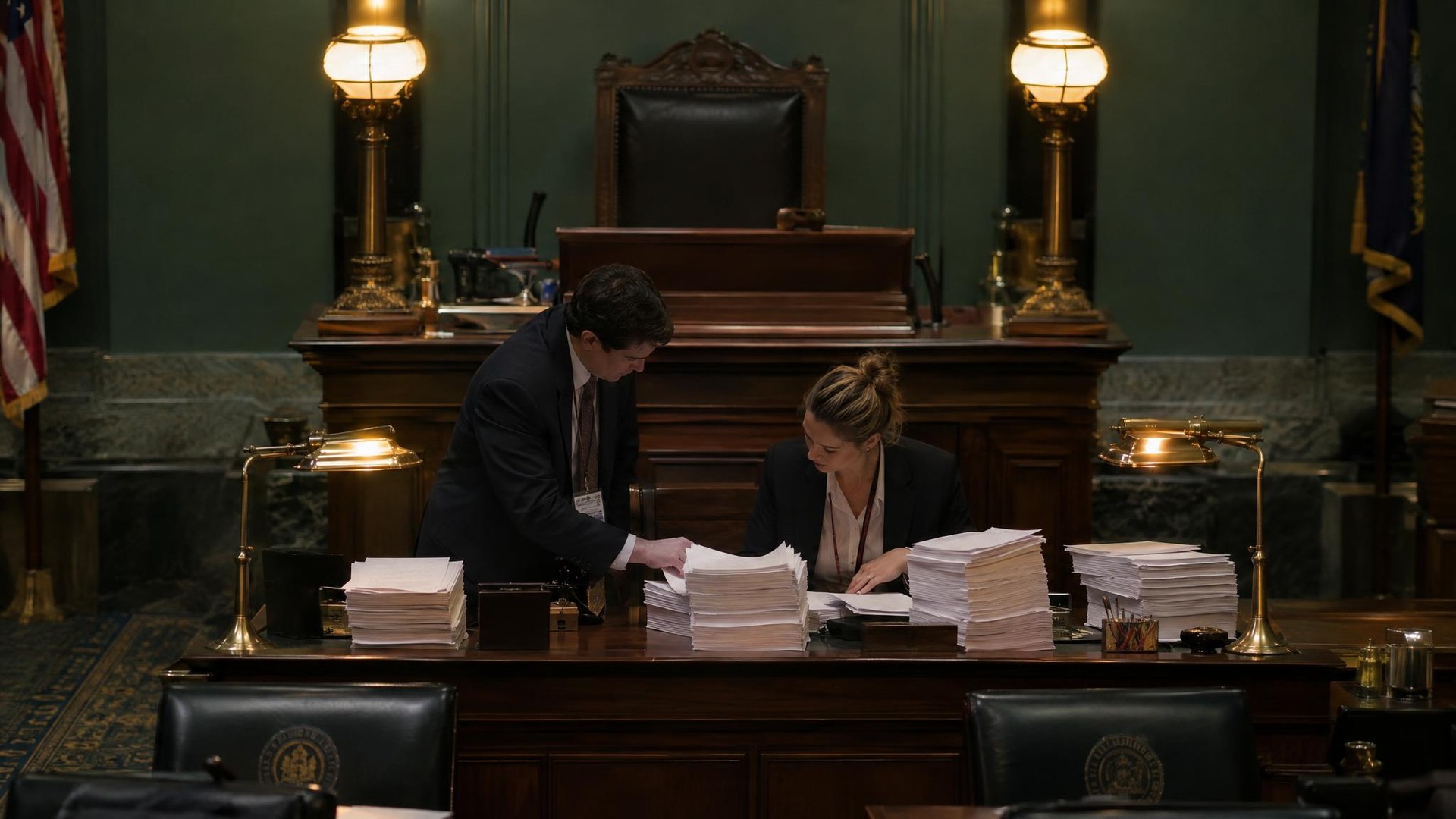
The same constitutional article makes the lieutenant governor President of the Senate and gives the officeholder the casting vote when the chamber is equally divided. Goodwin uses her campaign issues page to support letting Texans vote on whether to legalize gambling. Her campaign argues that gambling trips to nearby states take dollars out of Texas and presents job creation, tourism and tax revenue as potential benefits if legalization is properly regulated.
Patrick’s campaign biography says he first won the office in 2014 and was reelected in 2018 and 2022. The current count therefore raises the possibility of a different Senate president after those three election victories, but Goodwin’s position and the office’s constitutional role do not themselves change gambling law.
What the 2023 Legislative Record Shows
The 2023 legislative record illustrates the obstacles facing a renewed effort. HJR 102 proposed authorizing the Legislature to legalize wagering on certain sporting events and required at least 98% of the resulting net state tax revenue to be dedicated to property-tax relief. The House adopted it on May 11, 2023, and the Senate received it on May 12. That Senate receipt is the last action in its official history.
A separate measure, HJR 155, covered casino gaming at destination resorts, sports wagering, tribal-state compacts with federally recognized tribes and a Texas Gaming Commission. It also included licensing requirements, casino-gaming and sports-wagering taxes, and license application fees. The House passed it to engrossment as amended on May 10, 2023, and read it a third time on May 11. Its history then records repeated postponements, ending with another postponement on May 12. One measure advanced to the Senate after House adoption; the other’s recorded progress ended in the House following those postponements.
The Constitutional Threshold Remains
Any new amendment must satisfy Article 17 of the Texas Constitution. Approval requires votes from two-thirds of all members elected to each legislative chamber. After legislative approval, the amendment becomes part of the constitution if a majority of the votes cast statewide favor it. Goodwin’s support for a public vote does not remove either requirement, and the lieutenant governor’s Senate role does not replace the required approval in the House.
A later Senate proposal shows the regulatory choices accompanying that process. State Senator Nathan Johnson’s office announced on March 17, 2025 that he had filed SJR 82 on March 14 to submit destination resorts with strictly regulated casino gaming to voters. The resolution would not itself authorize or create resorts. It would remove the existing constitutional ban and establish parameters for gaming, sports wagering and the Texas lottery.
Its minimum legislative requirements included defining casino gaming and sports wagering, determining how and where they could operate, limiting the number of casino licenses, and requiring licenses, application fees and a gaming-revenue tax. The proposal also called for an agency funded by industry fees and taxes to regulate casino gaming, sports wagering, the state lottery and bingo. Those provisions connect the ballot question to consequential decisions about market scope, taxation and regulatory oversight.
The November 4 tally therefore concerns who may hold the Senate’s presidency, not an imminent change in gambling law. Goodwin’s preferred public vote would still require two-thirds approval in each chamber, while the earlier proposals leave licensing, taxation and regulatory oversight as substantive parts of the debate rather than matters settled by the election tally.