Reviews
Fallosophy Review (PC)

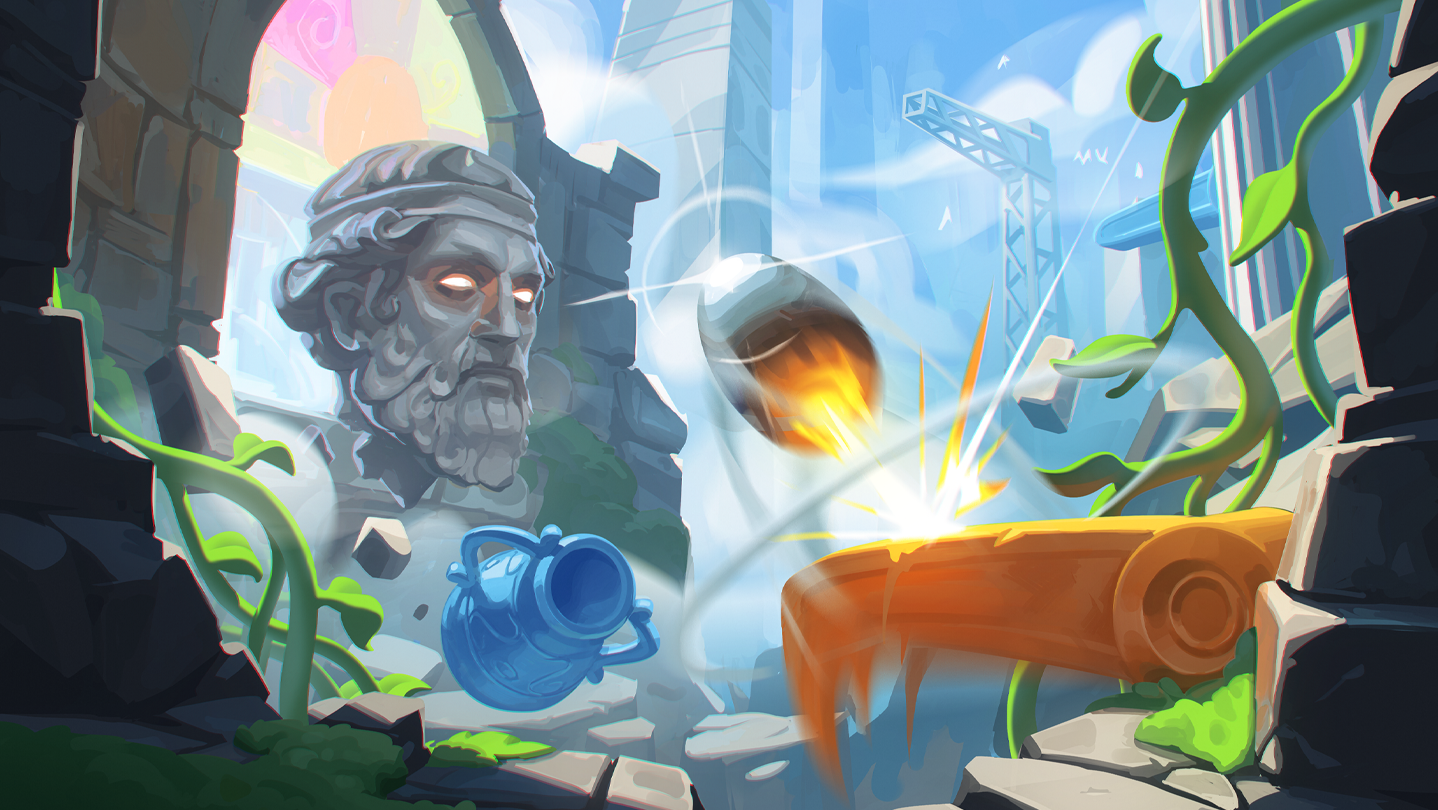
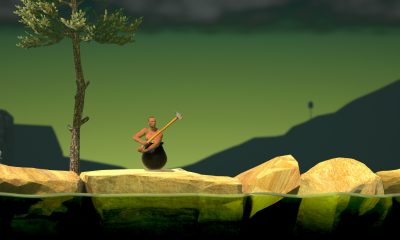
Fallosophy is the digital equivalent of a field-length pinball machine, as is it something of a distant cousin of Getting Over It. As a game, it establishes its presence as a nostalgic arcade experience that, while opting to keep its gameplay light and in sync with an eighties-inspired pinball machine, frequents western philosophy to generate its spring-loaded platform. Granted, it isn’t as psychologically compelling as that, though it does raise a few questions via a stream of meticulously constructed layers, themed time periods and narrated segments.
Think of Fallosophy as a giant pinball machine. Similar in that it uses the beloved triggers, canons, and shoots to flesh out its world, Fallosophy leans into a familiar rhythm that, provided that you have some basic knowledge of old-school arcade machines, you should be able to flow with right off the bat. Because it is, in short, a pinball game. Or at least, a pinball game that likes to torment you as you desperately scratch your way to the top of the machine. Again, picture Getting Over It, complete with the usual slips, falls, and headaches, and you should have a vague idea of what we’re talking about here.
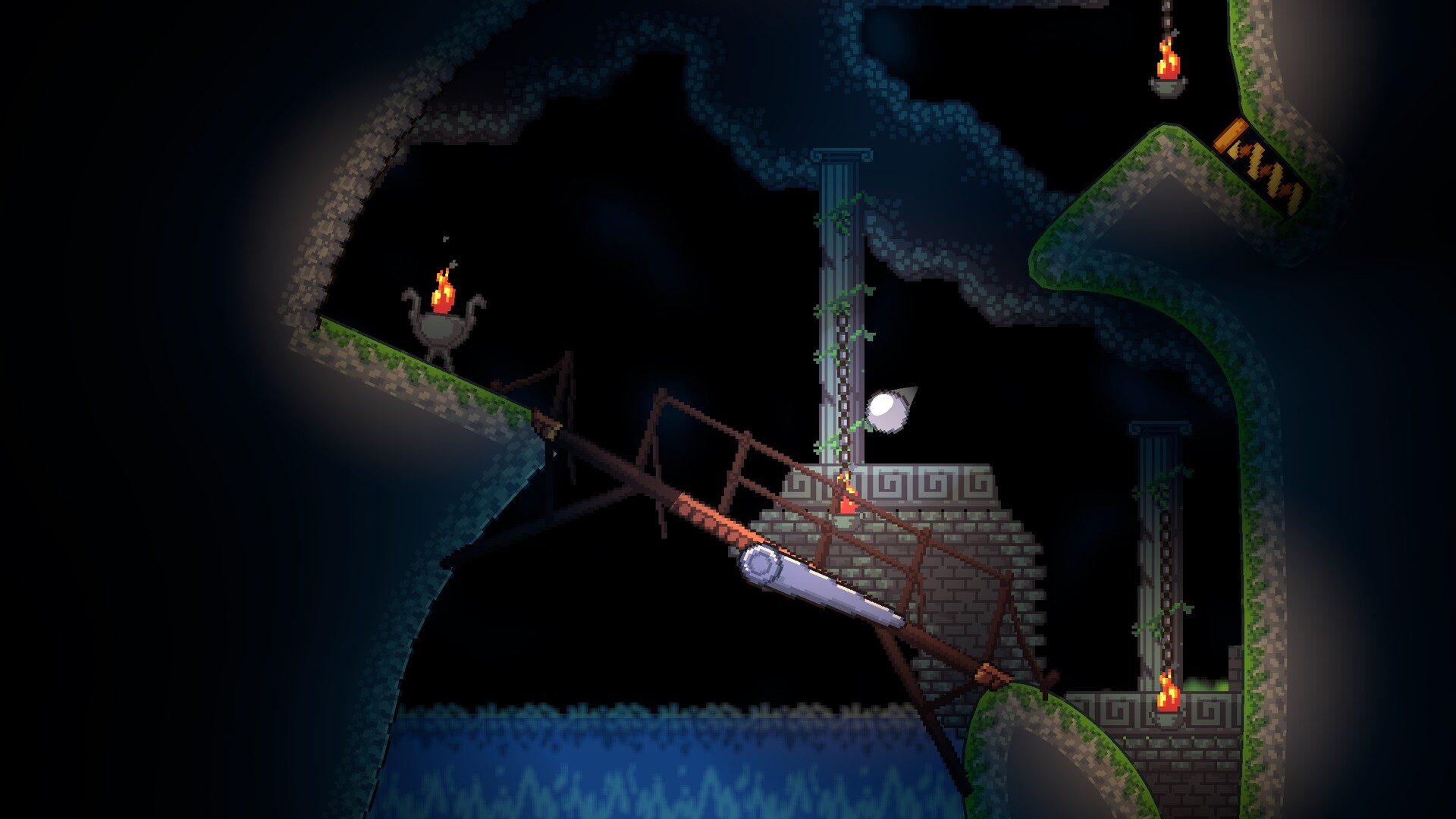
There’s a perfectly reasonable way for you to claw your way to the apex in a game like Fallosophy, and that is to activate various triggers, take full advantage of cannons that generate around the world, and to exploit the crags and crevices of a western-inspired environment. Much like your Getting Over It rage game, all of this comes with a hefty price: your sanity. See, you have no safety nets to catch you if you fall, and there are no supernatural powers that can aid you in your time of need. It’s just you, a pinball, and a swathe of land that trundles through the history of western civilization.
Paired with a narrated story, Fallosophy takes you on a journey through time as you gradually begin your ascent from the past. As you squeeze a trigger, eject yourself from a cannon, or ricochet through various pots spread across each layer, the machine opens up to you with new philosophical elements and tales of the past. All the while a wise narrator tells you a story, the game tasks you with pushing forward to unravel a bit more of it. You climb a little higher, and the tall tale begins to find its heartbeat. And then, naturally, you fall, at which point the narrator waits for you to return to continue the conversation.
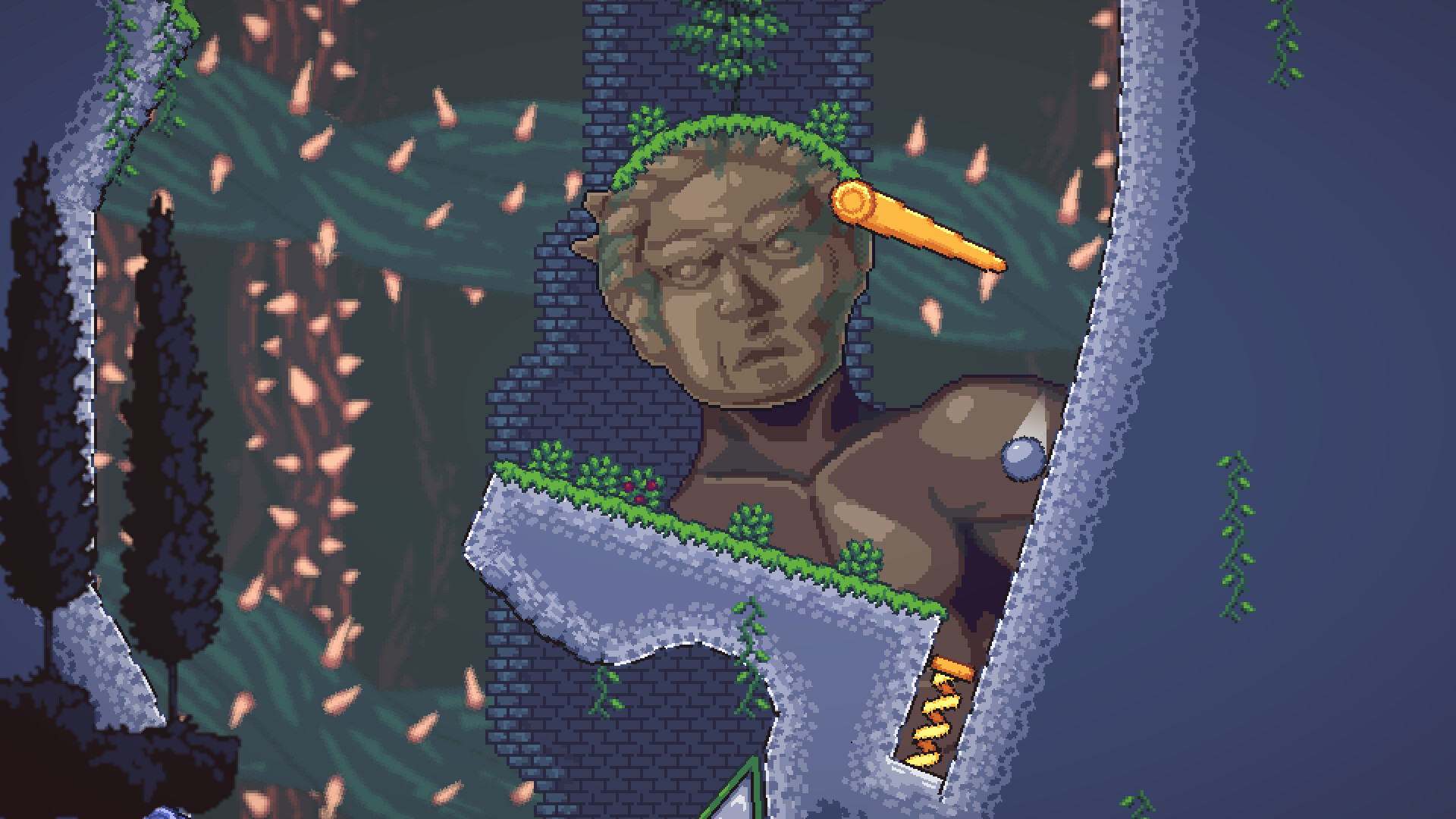
While I was initially intrigued by the story, it didn’t take all that long for me to lose track of the information. As I was, and understandably so, focusing on the pinball above all else, I must have spent more time ignoring the dialogue than locking in to a lecture on historical events. Believe me, I wanted to hear more about Socrates, but it wasn’t all that easy to channel my attention into a story, given that I was, at least for the most part, pulling the hairs from my scalp out of pure frustration. To that end, it was a bit like juggling two balls simultaneously, or like focusing on a mid-term exam whilst a philosopher leaned over my shoulder to enlighten me on their studies. I had every intention of listening to their stories, but I had other things to do.
Fallosophy is a game that, like most challenging puzzles, begins to feel like second nature as you spend more time with it. But, that’s one of the biggest problems: the game, as enlightening and as informative as it is, isn’t that long of a game, to begin with. Even when you fall time and time again, it sadly slaps a ribbon on its work long before you find the perfect foothold. It’s a blessing and a curse, though, because on the one hand, it pulls away before you tear the final hair from your scalp. But on the other hand, it bows out just as it begins to find its way in the world. Some people will enjoy its lack of longevity. But for those who want a lengthier experience that delves into even deeper territories and philosophical passages, it probably won’t provide enough to scratch the surface.
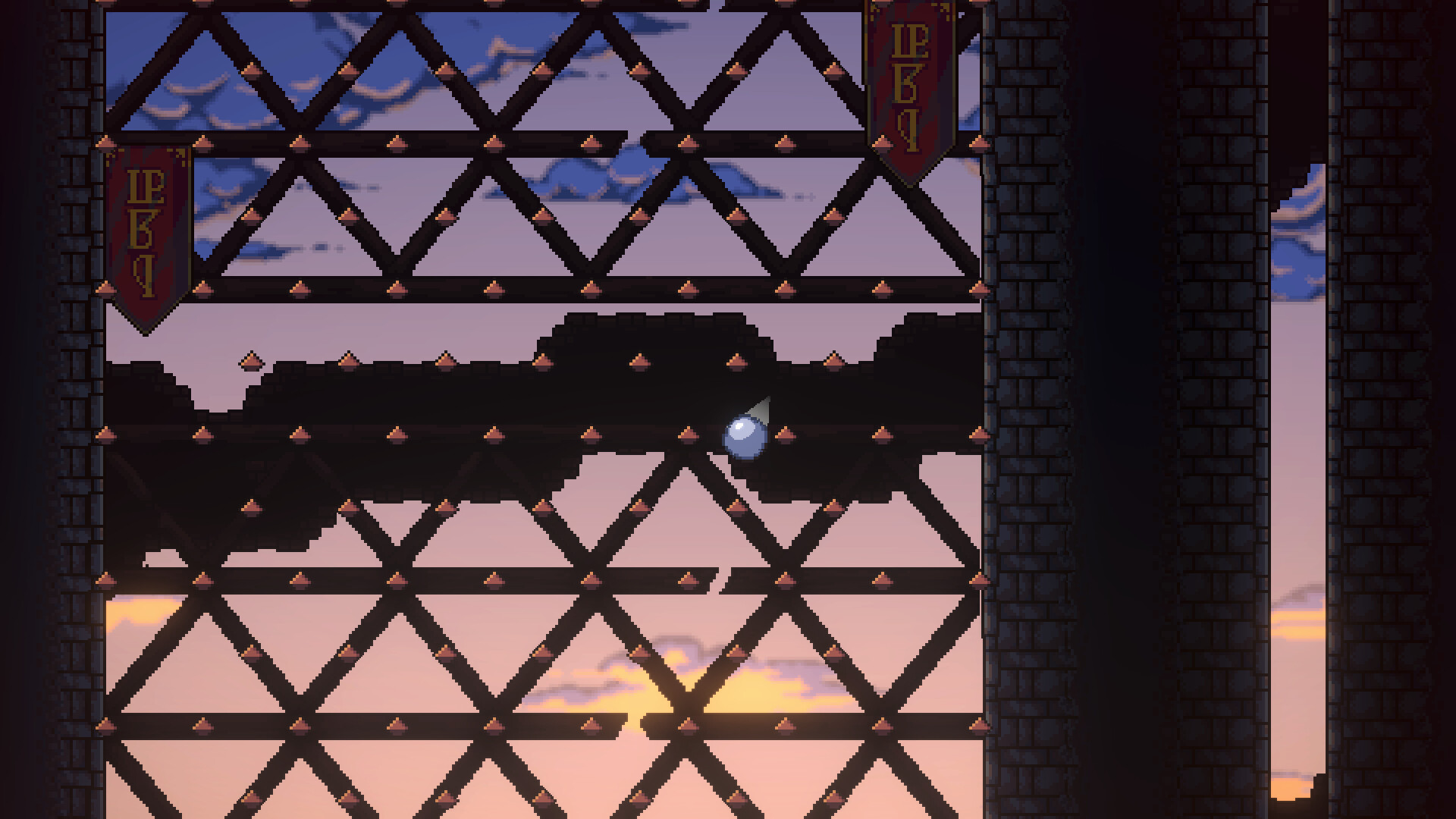
On the bright side, Fallosophy offers a charming pixel-crafted setting that frames history in a surprisingly beautiful way. Combined with its solid voiceover work and a series of uphill battles, set pieces, and historical stories, it certainly makes for an enjoyable experience. Oh, it’s a stressful affair that doesn’t like to hold your hand. Though, it is an experience that blends the best of arcade pinball gameplay with a philosophical twist. And frankly, that isn’t a marriage that I have personally seen before.
As infuriating as Fallosophy may seem at first, it does possess a firm backbone with a lot of genuinely good features to share with you along the way. Although a little shorter than I would have liked, it does make for a perfectly well-rounded take on a classic pinball game. The addition of a fully-voiced story also adds a neat layer to an otherwise classic rage-inducing experience. The only thing missing from all of this is the extra padding. If it had a few more layers to it, or at least a broader range of time periods with more details, then I would happily grace it with a higher score.
Verdict
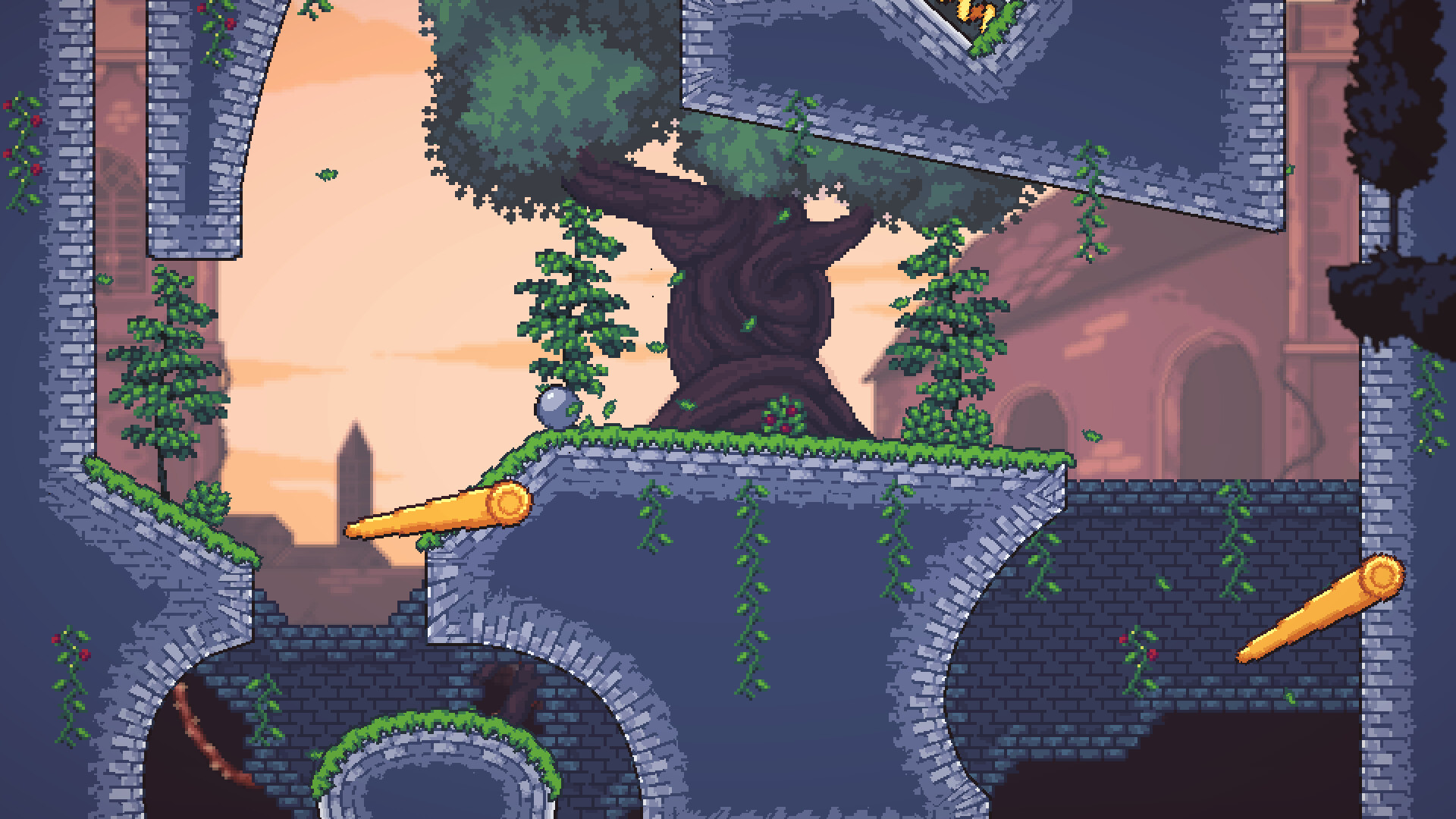
Fallosophy takes a field-length pinball machine and douses it with a pinch of philosophy to create a short, nostalgic, and tediously challenging experience that, while lacking in length and visual complexity, is a bittersweet delight to spring into for an hour or two. With some solid voiceover work, a web of intriguing tales, and an eighties-inspired aesthetic to complement the overall throwback composition, it makes for a short, simple, and oddly enlightening affair. It’s just a shame that it’s a little too short. But other than that, it serves its purpose as a perfectly executed take on a bloated concept.
Fallosophy Review (PC)
Pinball Wizard
Fallosophy takes a field-length pinball machine and douses it with a pinch of philosophy to create a short, nostalgic, and tediously challenging experience that, while lacking in length and visual complexity, is a bittersweet delight to spring into for an hour or two. With some solid voiceover work, a web of intriguing tales, and an eighties-inspired aesthetic to complement the overall throwback composition, it makes for a short, simple, and oddly enlightening affair. It’s just a shame that it’s a little too short. But other than that, it serves its purpose as a perfectly executed take on a bloated concept.