Reviews
Fable III Review (Xbox)

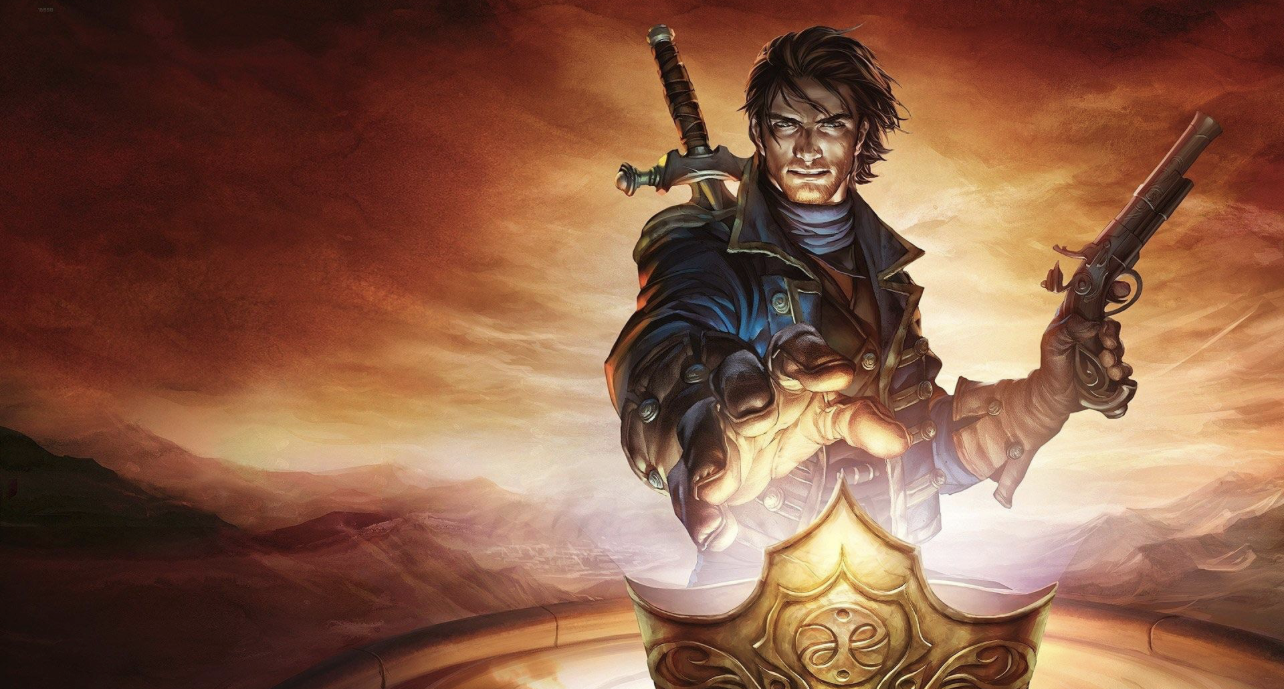
Fable II needed a suitable heir for its throne—a rightful successor that could not only bear the weight of an established kingdom, but influence Albion and elevate its foundations to transcend a beloved culture. The problem that Fable III had was that, even with a guaranteed spot in the throne room, it had quite the crown to hold. With its predecessor setting the gold standard for fantasy RPGs, the third chapter in the saga had a rather weighty obstacle to overcome: to go one step further than its earlier incarnations, and to prove that, with the adoption of royalty and an empire of its own, it could exceed expectations and take its reign to the next level.
The natural step for Fable to take was to mesh heroes with royalist propaganda. To adopt heroes with royal roots and to give players the weight of a kingdom that they themselves could mold and influence was, in all honesty, the only way for it to take the next step. In any case I’d argue that Fable could have coughed up numerous tales and still be accepted as an equal. But, Fable II set a benchmark for the saga, and as the little underdog in the shadow of a seemingly impeccable chapter, Fable III had more to prove. It didn’t need to be “just another” episode in the anthology; it needed to be bigger, bolder, and far more ambitious. Really, it needed a King, a Queen, or a royal subject who could reshape Albion.
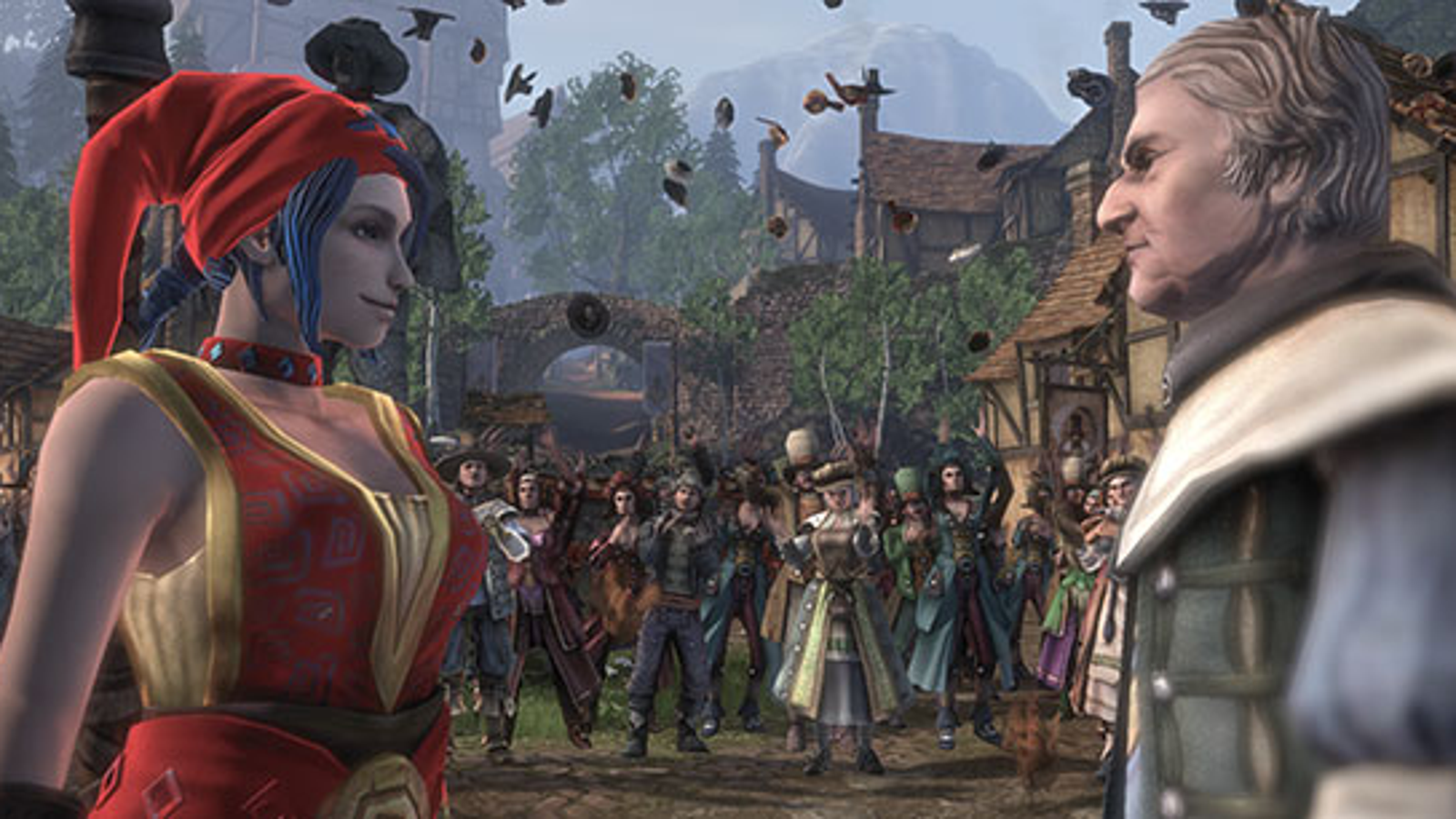
Fable III immediately puts you in a tight position, with a tyrannical King for a brother on the one hand, and a world that is crying out for a new ruler on the other. As the Prince or Princess, it falls to you to eject yourself from the ever-escalating tyranny and to forge various alliances across Albion, all with the intent to quell the throne and assume your rightful position as the next in line, for better or worse. But of course, this comes with a huge caveat: every alliance has a role in the eventual downfall of Albion. The kingdom will fall in one way or another, but only if you let it.
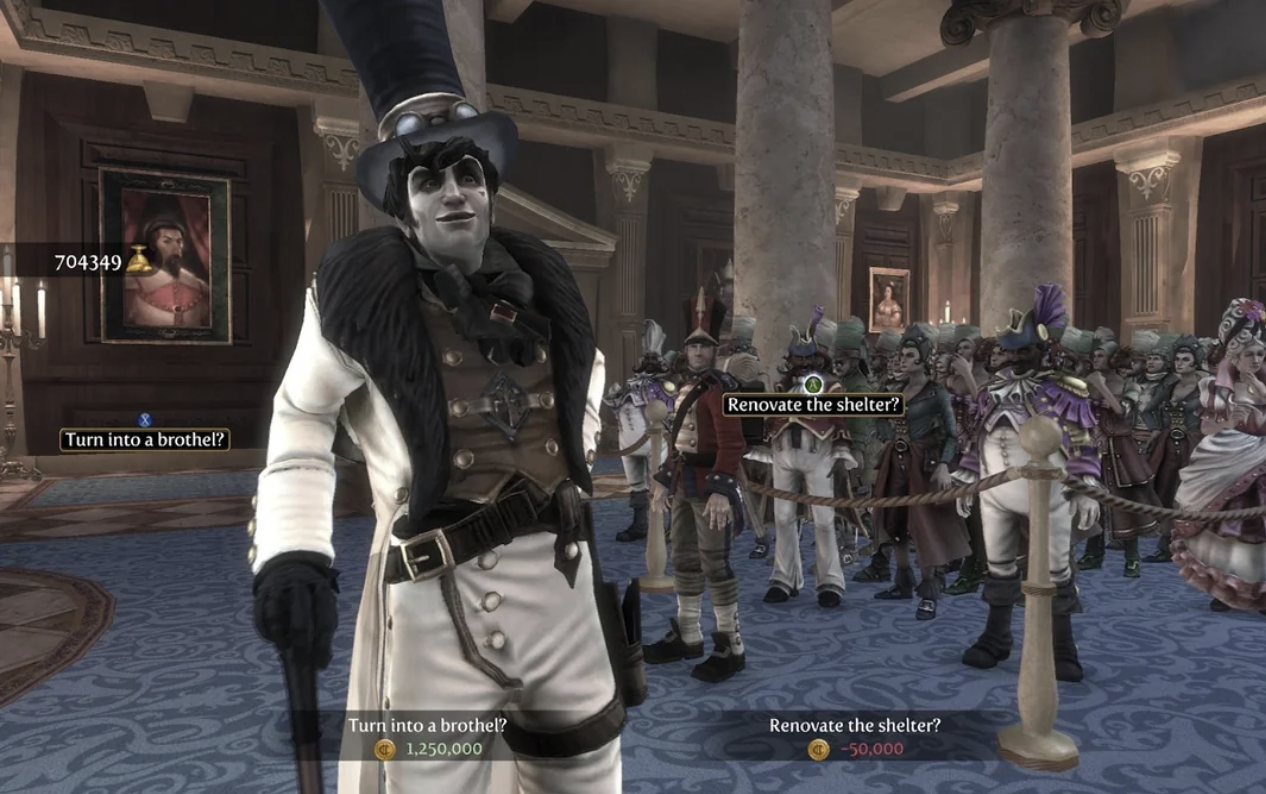
To form an alliance, Fable asks that you make a solemn pledge to keep to your word once you ascend the throne. A faction may ask that you rebuild the dwellings of the kingdom, whereas another may ask that you renovate the old orphanage on the far end of town. As the hero with the moral compass, it simply falls to you to decide whether or not to keep your promise, or to shatter them into a million pieces for the sake of boosting the kingdom treasury. Herein lies the core aspect of Fable: the morality system. If you keep to your word, then you will gain the favor of your subjects, whereas if you choose to break them, then you will lose credibility, but also gain enough gold to fortify Albion and prevent a catastrophe. It’s a bit of a bitter pill to swallow I’ll admit, but Fable III thankfully distills it in a way that makes the headache slightly more tolerable. Not that playing the lute for small change is a viable way to bring Albion out of debt, mind you. Believe me, I tried.
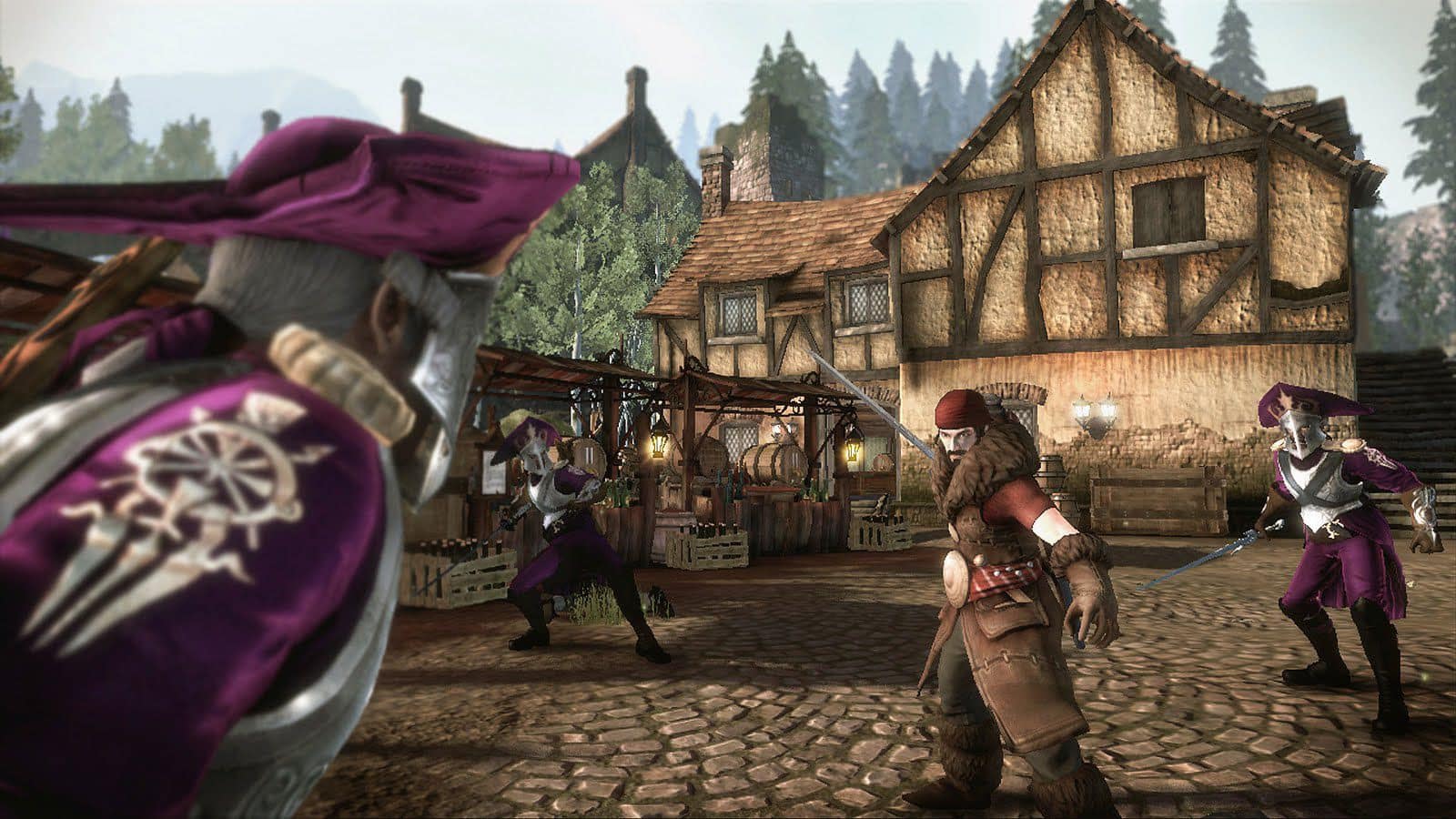
While Fable III does lean more towards a linear path with fewer freeform elements, like marriage, which is made to feel more pre-arranged than leisurely here, the sequel does bring forth a lot of great features to the table. Alongside its monarch system and Albion-altering choices, it adopts a handful of fresh character progression options, which includes but is not limited to The Road to Rule and The Sanctuary, both of which allow players to unlock and punch holes in a series of skills, abilities, weapons, and perks from within a self-contained hub. With that, Fable III certainly makes a lot of things a little easier to navigate — even though it does remove a lot of the rewarding aspects of questing and obtaining items the old-fashioned way.
The problem I have with Fable III is that, unlike its predecessor, it lacks the usual charm and open-ended gameplay style. Don’t get me wrong, Albion, at least as a setting, retains a lot of the same fantastical qualities and charming set pieces, as does it boast a great deal of biomes, dungeons, and treasure-coated nooks and crannies. That being said, it doesn’t take a genius to figure out that the third chapter is more for the idea of establishing a breadcrumb trail and a grand finale than a series of stepping stones and numerous beaten tracks. Of course, you can still experience a lot of the classic side activities from the previous installment, but to be honest, a lot of it feels like an afterthought. Fable III wants you to save Albion, but it doesn’t give you as much freedom to sample other avenues.
Let it be said that, while Fable III does feel like more of a story-driven game than an open-ended love letter to traditional role-playing adventures, it is a brilliant chapter in the Fable anthology. It might lack a lot of the beloved elements that made Fable II a cult classic, but it does deliver a fresh twist on a familiar formula. The combat is still as smooth as ever, and the cameos—John Cleese as the faithful butler, for example—make for excellent additions to the journey. The little quality-of-life upgrades add a good deal to the story, too, with a clearer interface, more varied weapon and magic-based synergies, and a better stance on plot progression and character development.
With all of the above said, Fable III just isn’t as good or as memorable as its predecessor. Though, to give credit where it’s due, it is a different kind of RPG that pours its heart and soul into tackling things from a different angle. The adoption of a monarch is a great idea I’ll admit, but at no point does the game ever manage to bottle the same bolt of lightning that its predecessor captured so effortlessly. Frankly, it just feels all rather restrictive.
Verdict
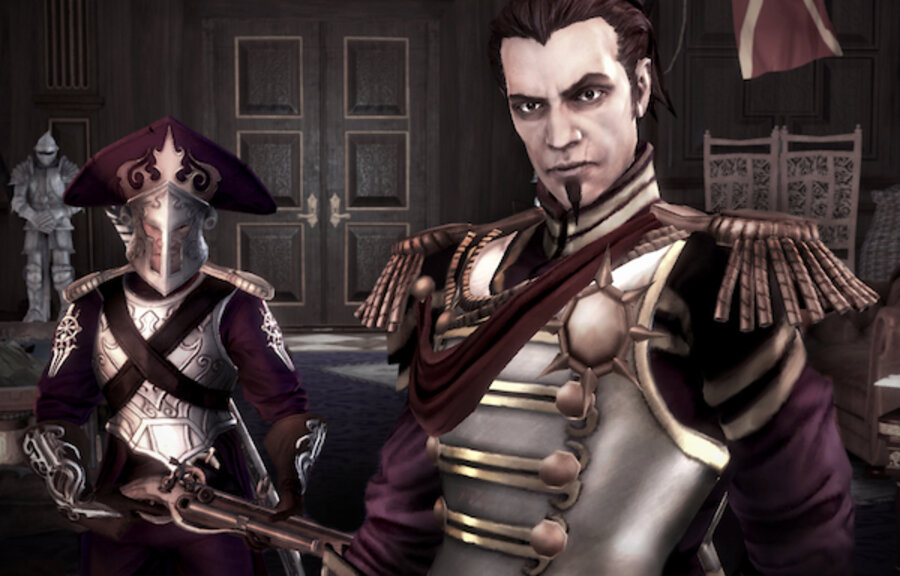
Although Fable III sadly fails to capture the same bolt of lightning as its predecessor, it does provide a great slice-of-Albion role-playing experience that thankfully manages to blend an original industrial-like aesthetic with a familiar and oh-so-engaging good-versus-evil gameplay style. While somewhat restrictive in terms of character development and open-world design, the third chapter in the anthology does get a lot of things right. Unfortunately, though, it’s just no kingmaker.
Fable III Review (Xbox)
This Is My Albion
Although Fable III sadly fails to capture the same bolt of lightning as its predecessor, it does provide a great slice-of-Albion role-playing experience that thankfully manages to blend an original industrial-like aesthetic with a familiar and oh-so-engaging good-versus-evil gameplay style. While somewhat restrictive in terms of character development and open-world design, the third chapter in the anthology does get a lot of things right. Unfortunately, though, it’s just no kingmaker.