Best Of
10 Best Side-Scrolling Platformers
Explore ten side-scrolling platformers with spoiler-free premises, gameplay details, play options and official trailers.

 Add Gaming.net to your preferred sources on Google
A great side-scrolling platformer makes its rules readable and then finds a hundred interesting ways to test them. This selection balances famous series with independent games, judging them by movement, stage design and the pleasure of improvement rather than by how long they have occupied a classics list.
Looking for somewhere to start?
- Celeste for precision with fast retries.
- Super Mario Bros. Wonder for inventive family-friendly stages.
- Shovel Knight: Treasure Trove for a classic-style campaign collection.
10. Freedom Planet 2
Best for character-specific action platforming · PC, Nintendo Switch, PS4/PS5 and Xbox One/Series X|S · Single-player
Avalice faces a new threat that brings its heroes back into action, with different characters approaching the crisis from their own positions. The story supplies a substantial backdrop to stages designed for energetic movement and combat.
Each playable character has a distinct toolkit, affecting how you handle enemies and maintain momentum. Stages mix fast sections with fights and exploration, so learning one character well can change your experience of a familiar route.
It is a useful pick for anyone who wants more combat alongside their side-scrolling speed. Start with a character whose movement feels comfortable, then revisit the others when you want the same world to ask a different set of questions.
9. Yoshi’s Crafted World
Best for relaxed searching in handmade scenery · Nintendo Switch · Solo; two-player local co-op
Yoshi follows scattered gems through a world assembled from cardboard, fabric and everyday craft materials. The handmade presentation also provides the game’s main invitation: look around and see what someone has built into the background.
Egg throws, flutter jumps and changes of perspective reveal routes and collectibles. Revisiting a course from another direction changes what you notice, giving exploration more weight than a quick dash to the exit.
This is the gentler choice for players who prefer discovery over repeated failure. Mellow Mode adds help with movement, and local co-op offers a shared way to inspect the tiny details without turning the campaign into a race.
8. The Messenger
Best for a ninja journey with a second layer · PC, Nintendo Switch, PS4 and Xbox One · Single-player
A young ninja carries a scroll through a threatened world, guided by a mission that initially seems straightforward. The journey has its own ideas about where that assignment should lead, so discovering the structure is part of the fun.
A midair strike can restore your jump, making enemies and objects useful links in traversal. Tight movement carries the early stages, while later exploration gives you reasons to understand connections between places.
Pick it for a platformer whose central movement remains enjoyable as the adventure expands. Its humor has a particular voice, but the recommendation rests on the way a simple extra jump changes the route through a room.
7. Shovel Knight: Treasure Trove
Best for several classic-style campaigns · PC, Nintendo Switch, PS4 and Xbox One · Solo campaigns; local co-op in Shovel of Hope
Shovel Knight’s search for Shield Knight anchors the original campaign, while other adventures follow characters with their own motives and movement styles. Treasure Trove is a collection, so the changes are more substantial than another costume.
Bouncing on a shovel, experimenting with alchemy or learning a different protagonist’s abilities gives familiar stage language new uses. Bosses and optional challenges reinforce the strengths of each toolkit.
It is a generous choice for players who like older platforming conventions but still want variety. The cooperative option belongs to Shovel of Hope; the other campaigns should not be presented as the same two-player experience.
6. Super Meat Boy
Best for short, exacting challenges · PC, Nintendo Switch and PS4; Xbox 360 release via backward compatibility · Single-player
Meat Boy pursues Bandage Girl through traps arranged by Dr. Fetus, with the presentation doing very little to pretend this is a sensible relationship with industrial machinery. The rescue plot supplies direction; the obstacles supply everything else.
You run, wall-jump and make repeated attempts at compact levels. Minimal downtime turns a failed landing into useful information, while optional routes and harder variants extend the challenge well past the main path.
This is for someone who enjoys a demanding sequence precisely because improvement is visible. It is not the gentlest introduction to platformers, but its concise structure respects the player who wants another attempt immediately.
5. Rayman Legends
Best for rhythm and local cooperation · PC, PS4 and Xbox One; Switch: Definitive Edition · Solo; up to four locally
A collection of magical paintings leads Rayman’s group into worlds with their own extravagant themes. The rescue story mostly stays out of the way, allowing each course to decide what sort of chase it wants to become.
Running and gliding connect smoothly, while music stages turn carefully timed inputs into an entertaining performance. In local multiplayer, recoveries keep the group moving even when somebody misreads the next hazard.
Rayman is the social pick for a room of players who want immediate movement rather than character builds. Its flow becomes more rewarding with familiarity, but the visual comedy gives a first attempt plenty of value too.
4. Sonic Mania
Best for momentum across layered stages · PC, Nintendo Switch, PS4 and Xbox One · Solo; local competition and supporting co-op
Eggman’s plans send Sonic, Tails and Knuckles through zones that combine familiar history with newly arranged trouble. The story stays light, letting the stages explain the appeal of returning to this particular style.
Slopes, springs and multiple paths make speed something you learn to maintain. Different characters can reach different routes, so a repeat visit can involve a new approach rather than simply a faster version of the same run.
It belongs near the top for players who like terrain to influence movement. Slow down enough to understand a zone first; the satisfying fast run usually follows that knowledge rather than arriving by accident.
3. Super Mario Bros. Wonder
Best for changing rules without losing clarity · Nintendo Switch · Solo; up to four locally; online interaction
The Flower Kingdom’s magical troubles give Mario a new reason to run toward danger. A Wonder Flower can interrupt an ordinary-looking course with a transformation that makes the next few minutes feel entirely different.
Badges vary available abilities, while familiar power-ups and new stage ideas keep the basic movement understandable. A surprise works because you still know enough to respond, even when the scenery seems to have rewritten the instructions.
Wonder is the approachable recommendation that does not rely on being predictable. It handles a group well in local play, with optional challenges available when a straightforward trip to the flagpole no longer feels sufficient.
2. Donkey Kong Country: Tropical Freeze
Best for elaborate obstacle design · Nintendo Switch; Wii U original · Solo; two-player local co-op
The Kongs’ home is frozen over by invading Snowmads, forcing a trip through islands with very different problems. The environment is an active participant, breaking, swinging and rearranging the route as you travel.
The jump arc has weight, and stages ask you to commit to it. Partners add useful abilities, while secrets and collectibles reward a second run once the main obstacles stop demanding all your attention.
This is for players who enjoy a course that develops a visual idea into a genuine movement challenge. The Switch version’s Funky Mode offers another way in, while the standard characters preserve the more exacting original balance.
1. Celeste
Best for precision that rewards persistence · PC, Nintendo Switch, PS4 and Xbox One · Single-player
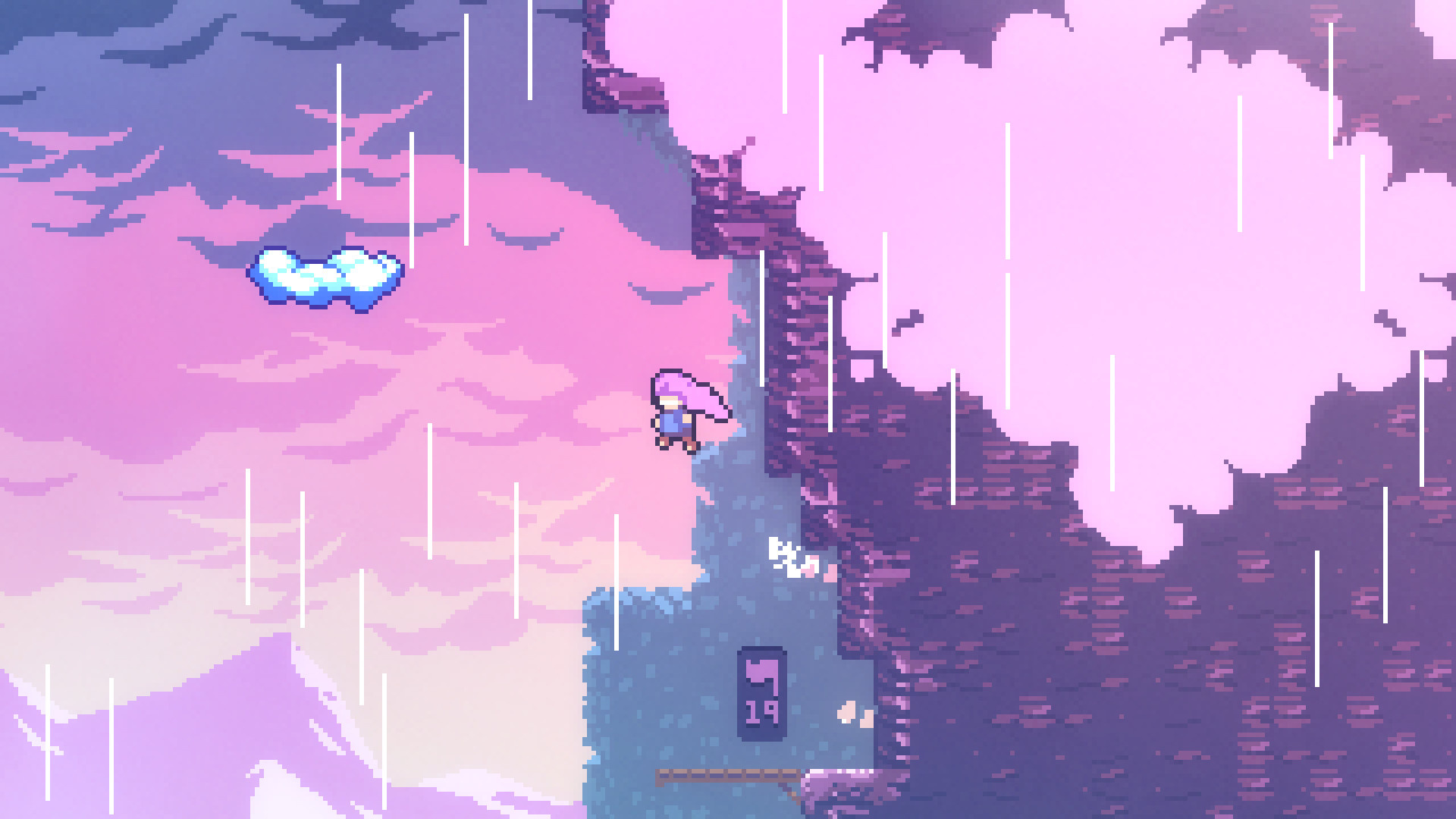
Madeline’s attempt to climb a mountain becomes a confrontation with the doubts traveling alongside her. Celeste gives that personal journey a physical shape without needing a long speech before every difficult room.
A small set of actions produces a remarkable range of problems. Dashes, stamina and environmental interactions combine differently from screen to screen, and a quick restart keeps failure from becoming a lengthy interruption.
It takes first place for making improvement easy to recognize. You may still miss the jump, but you can usually understand why. Assist settings provide ways to adjust the challenge while keeping the story and stages available.
Which should you play next?
Celeste is the most focused movement challenge, Wonder is the playful all-rounder, and Shovel Knight rewards anyone who wants several interpretations of a classic format. For more choices on a computer, explore Best Platformers on PC.