Bingo
How to Play Bingo: Cards, Winning Patterns, and Ticket Costs

 Add Gaming.net to your preferred sources on Google
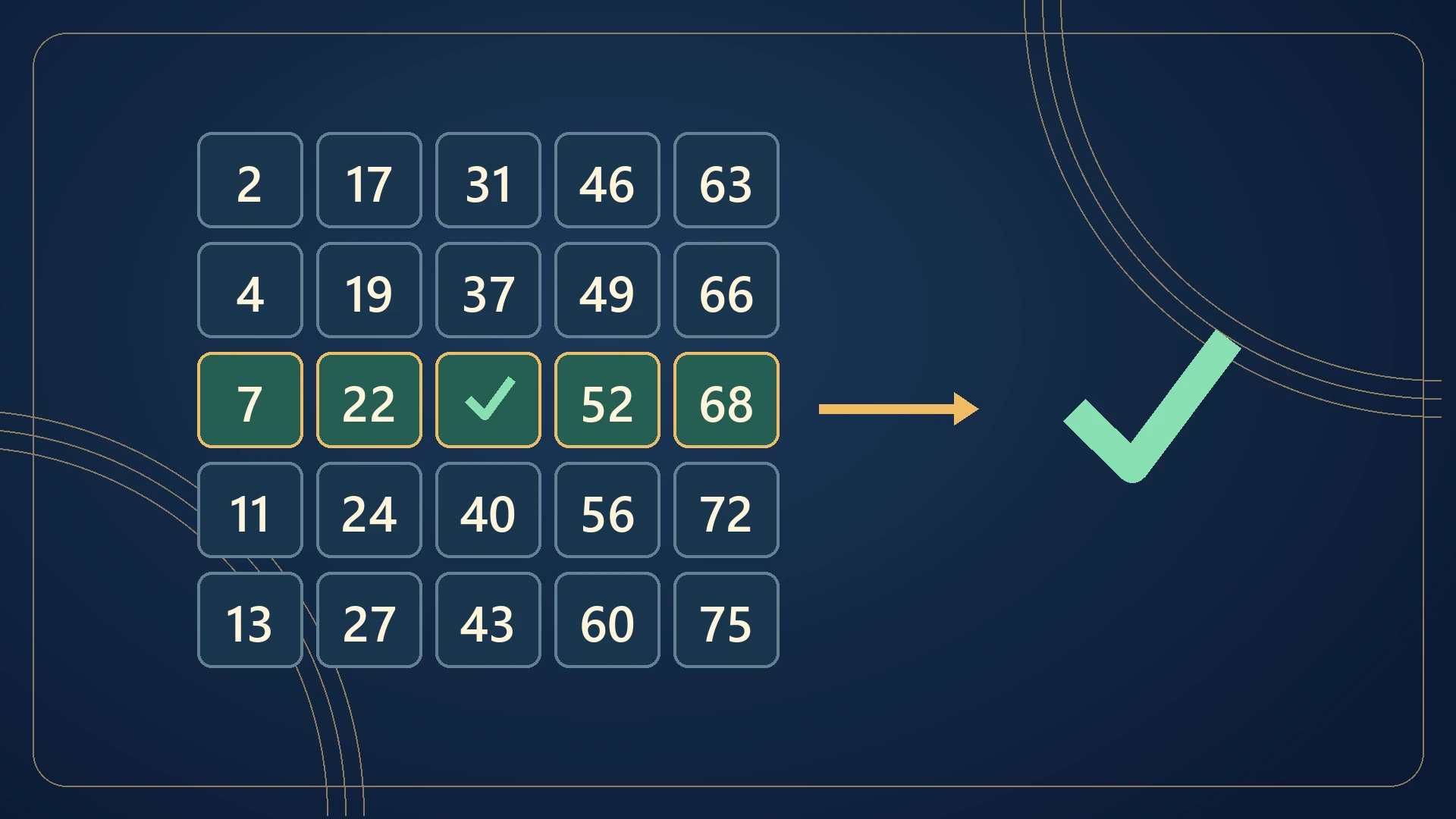
Key PointsThe advertised winning pattern decides whether a marked card actually wins the game.
View more
- The advertised winning pattern decides whether a marked card actually wins the game.
- Online bingo platforms may mark cards or validate wins automatically instead of relying on players.
- Adding more cards raises your chance of winning while also increasing your total stake.
Bingo draws numbers at random, and players mark any matching numbers on their cards. A card wins when it completes the advertised pattern under the game’s claim rules. Find that pattern first, because the same set of marked squares can win one game and fall short in another.
Match the card to the format
| Format | Typical layout | What to look for |
|---|---|---|
| 75-ball | Five by five, often with a free center | The required line, shape or blackout pattern |
| 80-ball | Four by four | The advertised row, column or other pattern |
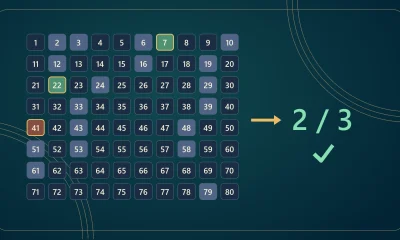
| 90-ball | Three rows and nine columns, with five numbers in each row | One line, two lines and full-house stages where offered |
In a 75-ball game that pays for a horizontal line, four called numbers across the center row plus the free square can be enough. In a blackout game, every required position must be marked. A 90-ball line usually uses the five printed numbers in a row, not the empty cells.
Follow the calls and check how a win is claimed
Buy or receive the card before the draw closes and follow each called number. In person, mark the card and signal when the pattern is complete. Online games may mark cards or validate wins automatically. Read what happens if more than one card qualifies on the same call. The prize may be divided, depending on the rules. Use the Bingo Payout Calculator to estimate what one share pays.
Work out the cost of all cards and rounds
Three cards at two units each cost six units for a single game. Playing the same number of cards in three games costs 18 units. More entries can raise your chance of having a winning card, while they also increase the total amount at stake. They do not make any assigned number more likely to be drawn. The number of competing cards and the prize-sharing rule also affect what a win is worth. The Bingo Odds Calculator estimates your chance using all eligible cards in the game, including yours.
Compare pace, pattern, and prize rules
Check the unit price, ticket count, number of games, required pattern, and how shared wins work. A smaller prize in one format may arrive under a different set of win conditions. Choose a manageable number of cards and decide a spending limit before the draw. If you prefer choosing the numbers yourself, the keno guide explains a different kind of number draw.