Новини
Насичене літо Allwyn: Powerball у Великій Британії, зміна керівництва та технологічна модернізація вартістю £450 млн

 Додайте Gaming.net до бажаних джерел у Google
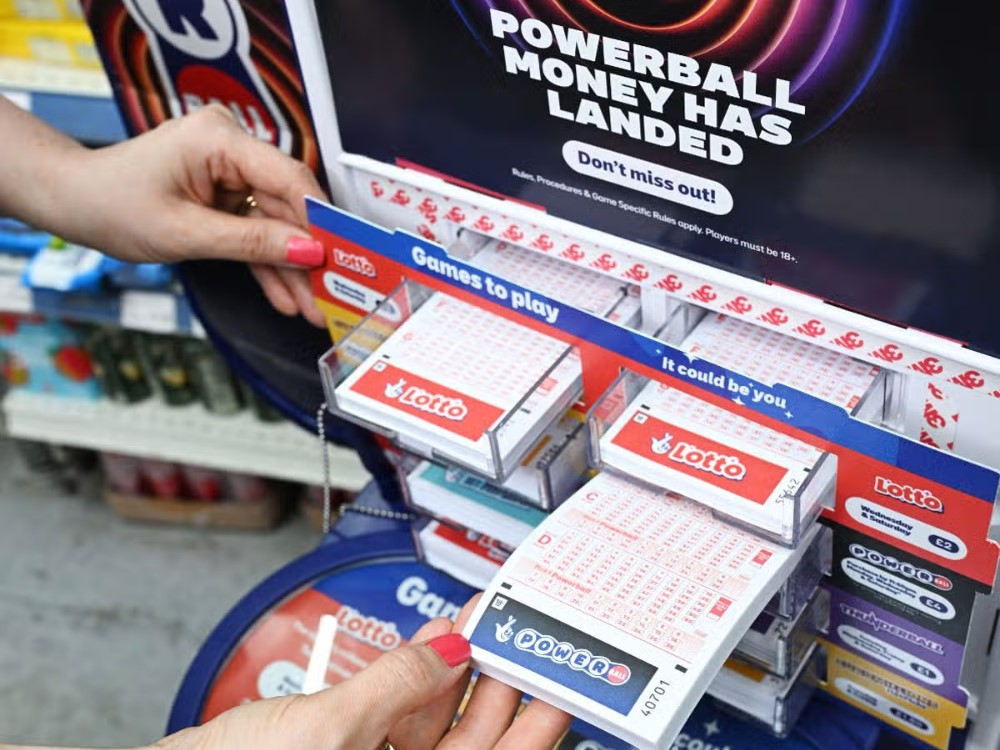
Через місяць після запуску Powerball у Великій Британії Allwyn вже святкує успішне літо. По всій країні виплачено понад £13,8 млн, і Powerball залучає не лише відданих шанувальників Національної лотереї. Allwyn зазначив, що понад 40 000 гравців вперше спробували ігри Національної лотереї через Powerball.
Нещодавно Allwyn завершив технологічну та інфраструктурну модернізацію вартістю £450 млн, впровадивши нові базові ігрові системи та перенісши облікові записи зі старих систем до нового програмного забезпечення. Крім того, компанія оголосила, що генеральний директор Андрія Відлер залишає посаду, а Філ Уокер (колишній керівник у William Hill та 888) тимчасово займе її.
Літо було насиченим, і Allwyn сподівається, що початковий інтерес до Powerball не просто новинка, а початок руху, який міцно закріпить джекпот у традиціях британської лотереї.
Powerball успішно запущений у Великій Британії
Powerball був представлений у Великій Британії 21 липня, і з того часу понад 2,6 млн британців взяли участь у ньому. Ризик впровадження нових продуктів, особливо іноземних лотерей, завжди полягав у тому, що вони не захоплюють уяву місцевого ринку, або, якщо захоплюють, то лише короткочасно. Неминуче, Powerball мав багато одноразових гравців у Великій Британії, проте понад половина з цих 2,6 млн повернулася, щоб спробувати кілька розіграшів. Allwyn зазначив, що з першого дня він виплачує виграшні призи британським клієнтам, починаючи з £8. Загалом у призи виплачено £13,8 млн.
- 2,6 млн клієнтів спробували UK Powerball
- 40 000 нових користувачів Національної лотереї (які спробували Powerball)
- 997 038 переможців у різних призових категоріях
- Понад £13,8 млн виплачено у вигляді призів
На момент запуску Powerball перебував у середині 43‑ти розіграшів з накопиченням, який закінчився джекпотом у £1,04 млрд, виграним гравцем у Іллінойсі. Це щасливе збіглося, яке, здається, надало Powerball потужний імпульс при виході у Великій Британії.
Powerball у Великій Британії vs США
У нашому попередньому огляді UK Powerball ми зазначили, що хоча джекпот однаковий, ціна квитка різна. Гравці в США платять $2 за базову гру Powerball, а клієнти у Великій Британії — £4.
Це могло б свідчити, що UK Powerball не настільки «вигідний», як купівля квитків Powerball у США, – але це не зовсім так. Національна лотерея знайшла хитрий спосіб інтегрувати Powerball у Великій Британії, зберігаючи той самий джекпот, але трохи змінюючи структуру вторинних призових категорій.
UK Powerball: 9 вторинних призів (£8 до £1 million)
- 5 основних номерів: £1 million (фіксований)
- 4 основних номери + Powerball: ~£33,000
- 4 основних номери: ~£1,100
- 3 основних номери + Powerball: ~£500
- 3 основних номери: ~£50
- 2 основних номери + Powerball: ~£30
- 1 основний номер + Powerball: ~£15
- 0 основних номерів + Powerball: ~£12
- 2 основних номери: £8 (фіксований)
US Powerball: 8 вторинних призів ($4 до $1 million)
- 5 основних номерів: $1 million (фіксований)
- 4 основних номери + Powerball: $50,000 (фіксований)
- 4 основних номери: $100 (фіксований)
- 3 основних номери + Powerball: $100 (фіксований)
- 3 основних номери: $7 (фіксований)
- 2 основних номери + Powerball: $7 (фіксований)
- 1 основний номер + Powerball: $4 (фіксований)
- 0 основних номерів + Powerball: $4 (фіксований)
У британських клієнтів є один додатковий низькорівневий вторинний приз, а вторинні призи (крім £8 та £1 млн) не є фіксованими. Тож виправляючи наші попередні зауваження щодо того, що UK Powerball може бути меншою пропозицією – це не так. Домашні переваги дуже різняться – у UK Powerball значно нижчий відсоток вигоди на вторинних рівнях, і у вас вища ймовірність виграти їх. У US Powerball нижчий відсоток вигоди на головному призі – і, підкреслюємо, у вас шанс 1 до 292 мільйонів виграти головний джекпот з одним квитком.
Новий формат лото від Allwyn
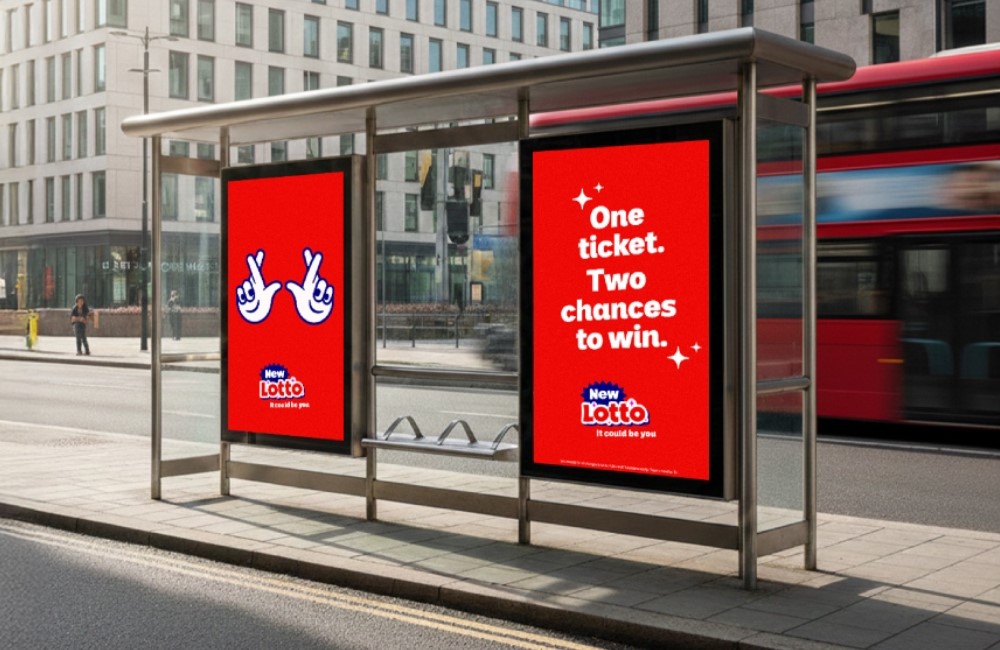
Поряд з UK Powerball, Allwyn також здійснив масштабну модернізацію гри Національної лотереї «Лото», оновивши її до формату з 2‑ма раундами, надаючи гравцям дві можливості виграти з базових £2 квитків. Це було запущено 10 червня, і вже 56 гравців стали мільйонерами. З цих 56, 32 стали мільйонерами у другому раунді формату, що підкреслює значущість цього доповнення.
Allwyn оновлює технологічну інфраструктуру
За лаштунками оператор також нещодавно завершив технологічну модернізацію вартістю £450 млн, яку Allwyn назвав найбільшою трансформацією з моменту запуску Національної лотереї у 1994 році. Це включало впровадження понад 30 нових ігрових систем, включаючи нове бек‑енд програмне забезпечення, та міграцію понад 18 млн записів гравців. Інфраструктурні зміни спрямовані на підтримку більшої інноваційності та відкриття шляху для подальших ігор та продуктів у екосистемі Національної лотереї.
Третій повний рік як оператор NL
Allwyn взяв на себе роль оператора Національної лотереї у лютому 2024 року, замінивши Camelot, компанію, яка керувала лотереєю з моменту її заснування (1994). 2025 став її першим повним календарним роком під керівництвом, і компанія повідомила, що вона отримала £8,1 млрд у продажах Національної лотереї, що на 3,5 % більше, ніж у 2024 році. Понад £1,7 млрд було зібрано на благодійність, а £967 млн – на скарбницю, дотримуючись обов’язків Національної лотереї щодо догляду та податкових зобов’язань.
Наступна фаза зростання вже готується, і Allwyn залучає Філа Уокера, який стане тимчасовим CEO у вересні після відставки Андрії Відлер. Відлер, який був CEO з 2023 року, керував технологічною модернізацією, новим запуском лото та UK Powerball, і залишатиметься у ролі радника до кінця жовтня, коли Allwyn шукатиме постійного наступника.
Цифровізація
Цифровізація є головною метою Allwyn. У 2025 році зафіксовано на мільйон більше користувачів, які входять на сайт, а цифрові продажі зросли на 9,8 %. Це підняло їх до понад 51 % усіх продажів Національної лотереї, що стало першим випадком, коли цифровий ринок склав більше половини продажів за всю 31‑річну історію Національної лотереї. Можна було б подумати, що з огляду на масову популярність онлайн‑казино та спортивних букмекерських сайтів, це мало статися кілька років тому. Але не сталося, і Велика Британія не є винятком.
Норвегія, яка є однією з останніх державних монополій у сфері азартних ігор у Європі після того, як Фінляндія відкриє свій ринок у 2027 році, фактично пройшла цей перехід ще до COVID. Однак за їх межами більшість європейських країн все ще мають вищі роздрібні продажі лотерейних продуктів, ніж цифрові.
Це може бути пов’язано з тим, що 94 % британців живуть або працюють у межах однієї милі від терміналу Національної лотереї. Або з тим, що Allwyn є ключовим гравцем у сцені вуличних азартних ігор у Великій Британії. Однак повільний перехід до цифрових квитків як основного джерела продажів також можна пояснити ширшим віковим діапазоном покупців та соціальними аспектами та ритуалами, пов’язаними з покупкою фізичних лотерейних квитків.
Як би там не було, цифровий сектор поступово захоплює ринок, і це в значній мірі завдяки зусиллям Allwyn з підживлення онлайн‑пропозиції Національної лотереї.
Що далі для Allwyn
Allwyn взяв на себе управління Національною лотереєю від Camelot у 2024 році, яка вже розпочала цифровізацію Національної лотереї. У 2022/23 роках Camelot встановив рекорд у £3,69 млрд цифрових продажів, що становило близько 45 % від загальних продажів Національної лотереї. У лотереї було понад 10,7 млн активних зареєстрованих гравців онлайн, і близько трьох чвертей онлайн‑покупок здійснювалися через мобільні пристрої. Хоча ще залишалося багато роботи, Allwyn, здається, успішно її виконав.
Крім того, цифровий ландшафт азартних ігор у Великій Британії за останні кілька років розвинувся стрімко. З’являються нові вертикалі. Наприклад, конкурси розіграшу призів захоплюють все більшу частку ринку, і хоча вони далекі від Національної лотереї, їхні темпи зростання вражають. Інша, більш нова тенденція – розіграші у соціальних мережах, або TikTok‑лотереї, які використовують швидке поширення соцмереж для проведення ігор у стилі лотереї. Далі, оператори азартних ігор у Великій Британії розширюють свою пропозицію ігор, щоб залучити ширшу аудиторію; хорошим прикладом є Flutter, який інвестує у свою ігрову аплікацію Tombola Arcade, фактично «міні‑казино‑ігри», що заповнюють простір.
Національна лотерея залишається однією з найпопулярніших форм азартних ігор у Великій Британії, проте вона не може дозволити собі самозаспокоєння. І вона цього не робить, як продемонструвало Allwyn цього літа, і продовжує це показувати завдяки технологічному оновленню, що дозволяє впроваджувати подальші креативні доповнення.