ライセンス
Denmark Tables Gambling Bill With Live-Sports Advertising Ban

 Gaming.net を Google の優先ソースに追加
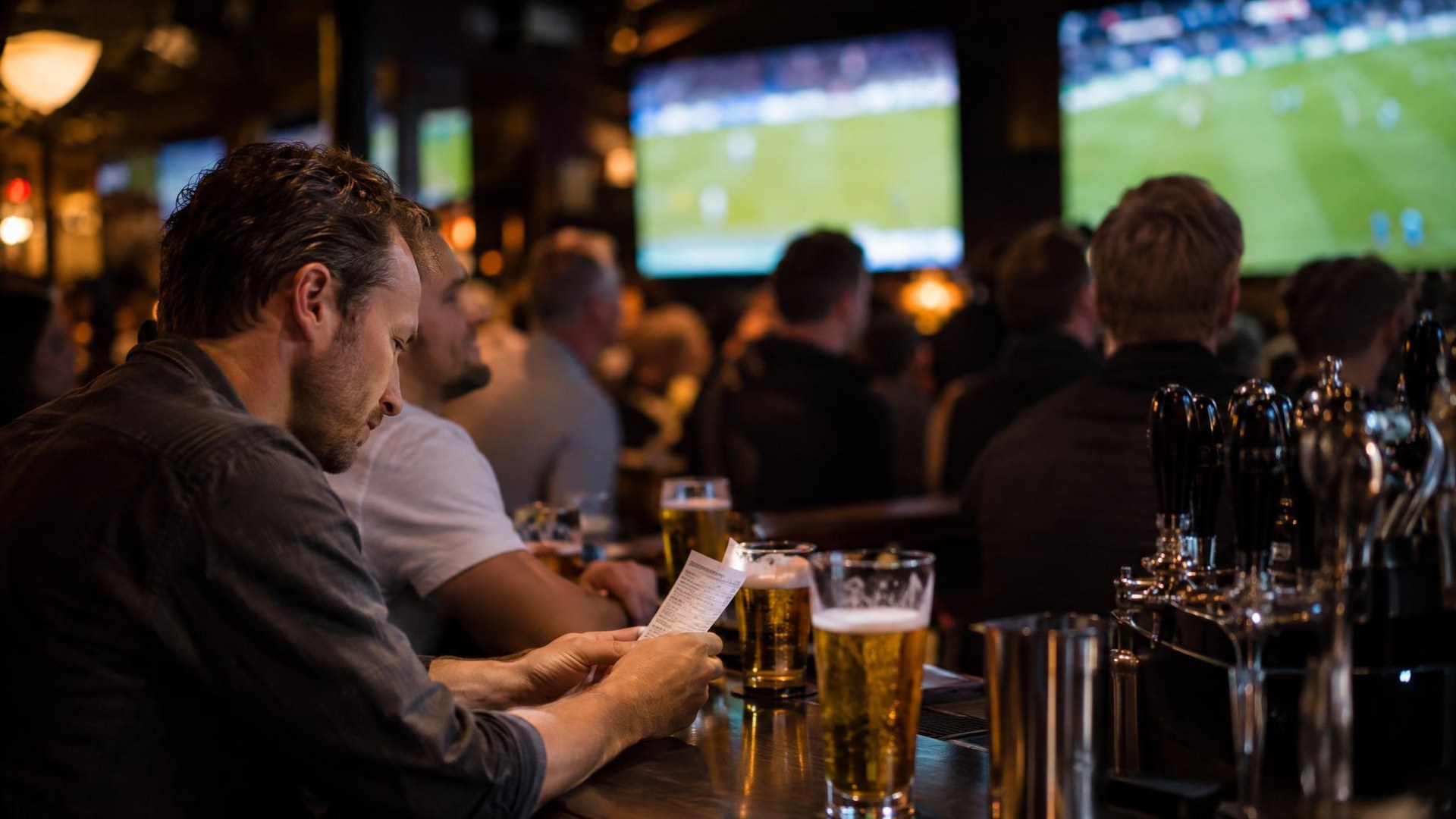
Denmark’s Tax and Growth Minister Jakob Engel-Schmidt tabled bill L 37 in the Folketinget on 2026年10月7日, proposing tighter gambling marketing rules, a statutory duty of care for licensees, reworked fine criteria and stronger supervisory powers against unlicensed gambling, including a ban on gambling advertising around live sports broadcasts.
The bill amends the Gambling Act, the Corporation Tax Act and the Gambling Duties Act. With minor adjustments, it re-tables bill L 127 from the 2025-26 parliamentary session, which lapsed at the general election. The measure implements the 2025年10月24日 agreement “Spilpakke 1: A More Responsible Gambling Market,” reached by the then-government parties Socialdemokratiet, Venstre and Moderaterne together with Danmarksdemokraterne, Socialistisk Folkeparti, Det Konservative Folkeparti, Enhedslisten, Dansk Folkeparti, Radikale Venstre and Alternativet. In the bill’s introduction, the agreement parties state that almost 500,000 adult Danes had some degree of gambling problem in 2021.
Marketing Rules and Advertising Bans
A rewritten marketing section of the Gambling Act sets eight content rules for gambling advertising. Marketing must present the chance of winning correctly and in balance and must present gambling as an entertainment offer. It may not target or particularly appeal to under-18s in its communication design or choice of media, may not untruthfully suggest that gambling contributed to success, and may not imply that gambling solves financial problems or brings social acceptance. Advertising may not portray gambling as a priority, a lifestyle or a natural part of a community, may not use “authorities,” and may not include persons under the age of 25.
The bill’s explanatory remarks propose that a person with more than 10,000 followers or viewers on a social medium, or more than 100,000 accumulated views across different platforms, is always to be considered an authority. The remarks name influencers, gamefluencers and streamers, as well as professional and former professional athletes, as covered when the criteria are met.
Criminal liability for breaches of the marketing rules would extend beyond licence holders to any natural or legal person, expressly so that affiliates and influencers can be held responsible for their gambling marketing. Third parties used to market gambling may no longer be paid commission based on player turnover, including winnings or losses. According to the remarks, the ban covers both new and already concluded agreements for settlements after the provision takes effect, while payment based on referred traffic remains outside it.
Gambling marketing would be banned in public transport and in connection with public transport, covering buses, trains, bus stops, stations and metro areas, including posters, flyers and merchandise. A separate ban applies to public space within 200 metres of schools and youth education institutions, measured from the institution’s outer property boundary; shops that sell gambling may still display information about the specific on-site offer on their facade or in their windows.
Gambling advertising would be banned from ten minutes before until ten minutes after the broadcast of a live sports event, on linear television and streaming services, including ad blocks during intervals and live odds displayed on screen. The ban follows only the channel or platform transmitting the event. Physically placed advertising at the venue, such as stadium banners and shirt sponsorships, is not covered, but exposure of live odds at the physical venue during the event is banned.
Duty of Care, Fines and Enforcement
A new responsible-gambling chapter imposes an attention-and-action duty on licence holders. Licensees must monitor player behaviour and act immediately when a player shows signs of problem gambling or addiction, maintain sufficient written internal responsible-gambling rules and procedures, evaluate their measures on an ongoing basis, and ensure that relevant staff, dealers and dealers’ staff receive sufficient responsible-gambling instruction. Licence holders for land-based lotteries benefiting a charitable purpose or a political party are exempt.
The bill reworks fine-setting so that a company’s turnover — defined in the remarks as gross gaming revenue in online cases — can be taken into account, with special regard to the size of the economic gain obtained or intended. Violations in land-based gambling would carry fixed fine amounts independent of turnover. For physical persons who market gambling without a Danish licence, the remarks state expected fine levels of DKK 50,000 for a first offence, DKK 75,000 for a second and DKK 112,500 for a third.
Spillemyndigheden, the Danish Gambling Authority, would gain competence to issue administrative fine notices allowing a case to be settled out of court when the offender admits guilt and pays the stated fine. The bill also bans the marketing in Denmark of gambling that lacks a Danish licence, regardless of whether the gambling itself targets the Danish market, and expands website-blocking authority so the regulator can block unlicensed intermediary sites targeting Denmark. The authority would further gain access, without a court order, to inspect premises possibly used for pyramid games.
Game Definitions, Finances and Timetable
Dice games and wheels of fortune are added to the permitted game definitions for land-based and online casinos. Combination games and other variations of permitted games would require a specific Spillemyndigheden permit, assessed on the game’s design, responsible gambling and moderate consumption, competition on the gambling market, and the limitations that follow from the lottery licence.
The bill also modernizes land-based gambling. Dealer licences replace the current manager approvals, each gaming site must be approved by Spillemyndigheden before sales begin, and gaming arcades are reinterpreted so that food and drink may be sold, with alcoholic drinks capped at 6 percent alcohol by volume. Gaming machines and betting on electronically simulated sports may be offered only between 07:00 and 24:00, and restaurants with an alcohol licence may operate at most three gaming machines placed in the room where drinks are served.
The bill’s fiscal remarks estimate an annual revenue loss of DKK 25 million from the live-sports advertising ban and an annual gain of DKK 10 million from the dice and wheel-of-fortune expansion. A reduction of the fixed interest supplement on companies’ excess tax from 0.75 to 0.2 percentage points, agreed as one of the package’s financing elements, is estimated at about DKK 70 million a year in permanent effect and about DKK 40 million a year after phase-in and behavioural adjustments.
The act would enter into force on 2027年1月1日. The marketing rules and the responsible-gambling duty take effect on 2027年7月1日, and the land-based provisions on 2027年10月1日; Spillemyndigheden may process dealer-licence applications from 2027年4月1日. The bill was notified to the European Commission on 2026年1月13日 under the EU information-procedure directive, and a draft was in public consultation from 2025年12月5日 to 2026年1月5日.
The bill’s Folketinget case page lists the measure as tabled and referred to the Tax Committee (Skatteudvalget), with the first reading scheduled for 2026年10月22日.