Lizenzen
Amazon-Einigung verlagert die Verantwortung für soziale Casinos auf die Entwickler

 Gaming.net zu deinen bevorzugten Quellen auf Google hinzufügen

Amazon (AMZN ) hat sich mit einer vorgeschlagenen Sammelklage über soziale Casino-Apps, die über seinen Appstore verkauft werden, einverstanden erklärt – aber die etwa 201 Millionen Dollar, die auf dem Spiel stehen, werden nicht aus Amazons eigenen Konten stammen. Nach dem Deal würde das Unternehmen ein Urteil gegen sich selbst annehmen und der Klasse seine rechtlichen Ansprüche gegen die App-Entwickler übergeben, sodass diese Entwickler das Geld aufbringen müssten, das letztendlich den Spielern zugutekommt.
Die Vereinbarung, die im Juli 2026 im US-Bezirksgericht für den westlichen Bezirk von Washington zur vorläufigen Genehmigung eingereicht wurde, benötigt noch die Zustimmung eines Bundesrichters. Sie würde eine Klage beilegen, die im November 2023 von dem Nevada-Bewohner Steven Horn eingereicht wurde, der Amazon beschuldigte, gegen die Glücksspiel- und Verbraucherschutzgesetze von Washington zu verstoßen, indem er als exklusiver Zahlungsabwickler für In-App-Käufe von virtuellen Casino-Chips fungierte – und 30 % jeder Transaktion einbehielt.
Ein ungewöhnlicher Weg, um einen Glücksspielanspruch beizulegen
Die Struktur ist es, was den Fall auszeichnet. Amazon würde einem Urteil von etwa 201 Millionen Dollar zustimmen, eine Summe, die die Kläger als etwa 30 % des Betrags berechnet haben, den die Klassemitglieder für die Apps ausgegeben haben, und die aus Transaktionsaufzeichnungen berechnet wurde, die Amazon während des Rechtsstreits vorgelegt hat. Aber die Klasse stimmt zu, diese Summe nicht von Amazon einzufordern.
Stattdessen schafft die Einigung einen Rechtstreuhänder, bei dem die Klassemitglieder die einzigen Begünstigten sind, und verlässt sich dann auf Amazons vertragliches Recht, von den Entwicklern erstattet zu werden, um Zahlungen von ihnen direkt zu verfolgen. In der Praxis tritt die Klasse an die Stelle von Amazon, um etwa 32 Entwickler zu verfolgen, deren Spiele im Appstore liefen. Amazons einziger direkter Kostenpunkt beträgt 2,5 Millionen Dollar, um die Klassemitglieder zu benachrichtigen und die Einigung zu verwalten, und die Vereinbarung bietet Anreize für Entwickler, die ihre Quote schnell zahlen.
Diese Rahmenbedingungen sind wichtig für alle, die mit einer schnellen Rückerstattung rechnen: noch kein Geld wechselt die Hände. Ein Richter muss den Deal genehmigen, und was die Spieler zurückbekommen, hängt davon ab, wie viel der Treuhänder von den Entwicklern einfordern kann, und nicht von einem Scheck von Amazon.
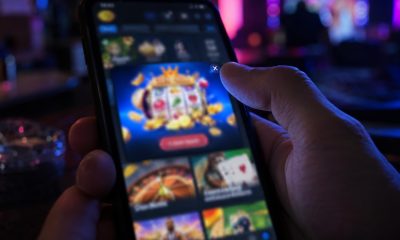
Die Apps im Mittelpunkt des Falls umfassen Big Fish Casino, Jackpot Magic Slots und Epic Diamond Slots – kostenlose Titel, die den Spielern einen Starter-Stapel virtueller Chips geben und dann weitere Chips verkaufen, wenn die kostenlose Menge aufgebraucht ist. Die Chips können nicht eingelöst werden, was der Grund ist, warum die Betreiber lange argumentiert haben, dass die Spiele kein Glücksspiel seien.
Warum der Kampf in Washington stattfindet
Washington ist zu einem Testfeld für diese Ansprüche geworden. Die Klage baut auf einer Entscheidung von 2018 des Ninth Circuit US Court of Appeals auf, in der Richter Milan Smith feststellte, dass die virtuellen Chips in Big Fish Casino ein “wertvolles Gut” sind – genug, um das Spiel als illegales Glücksspiel nach einem staatlichen Gesetz zu machen, das es Spielern erlaubt, Geld zurückzufordern, das bei ungesetzlichen Spielen verloren gegangen ist. Washington behandelt alle Online-Glücksspiele als illegal, es sei denn, sie sind ausdrücklich genehmigt.
Der staatliche Regulator hat die gleiche Position eingenommen. Die Washington State Gambling Commission hat gewarnt, dass Spiele, die Spieler auffordern, virtuelle Währung für die Chance, mehr davon zu gewinnen, zu wetten, “wahrscheinlich als illegales Glücksspiel gelten”, und sie hat virtuelle Casino-Betreiber aufgefordert, ihre Produkte gegen das staatliche Gesetz zu überprüfen. Es ist die gleiche Argumentation, die gegen andere Glücksspielprodukte verwendet wurde, von Geschicklichkeitsspiel-Maschinen, die in Pennsylvania als illegal eingestuft wurden, bis hin zu Streitigkeiten darüber, was als legales Kartenspiel gilt.
Amazon bestreitet jedes Fehlverhalten, und die Einigung legt keine Haftung fest. Das Unternehmen sagte, der Deal ermögliche es ihm, die Auswahl im Appstore beizubehalten, während die Entwickler Änderungen für die Kunden vornehmen müssten, und es betonte, dass Apps den Gesetzen entsprechen müssten und jederzeit entfernt werden könnten. Für die Aufzeichnungen zählt dieser Unterschied: Amazon hat nichts eingeräumt, und kein Gericht hat festgestellt, dass es gegen das Gesetz verstoßen hat.
Ein sich ausweitendes Frontfeld gegen die Plattformen
Der Amazon-Deal ist der neueste Schritt in einer langen Kampagne, die von der Anwaltskanzlei Edelson PC geführt wird, die auch den Kläger im Big Fish-Fall von 2018 vertrat. Die Anwälte der Kläger sagen, dass frühere Vergleiche mit sozialen Casino-Entwicklern bereits mehr als 650 Millionen Dollar an Spieler in Washington und anderswo zurückgezahlt haben; der Big Fish-Fall allein produzierte eine Zahlung von 155 Millionen Dollar.
Die Technologie-Plattformen sind jetzt das Hauptziel. Apple (AAPL ), Google und Meta stehen vor eigenen Sammelklagen über soziale und Sweepstakes-Casino-Apps, einige mit Bundes-Racketeering-Anschuldigungen, und 2025 wies ein Bundesrichter in Kalifornien die Klagen nicht ab. Baltimore verklagte im März 2026 eine Gruppe von sozialen Casino-Operatoren, und mehrere Staaten haben sich bemüht, ungenehmigte Glücksspiel-Apps ganz zu verbieten – Teil der gleichen Überprüfung, die nun auch neuartige Wetten-Produkte in den Gerichten erreicht.
Wenn der Richter den Amazon-Vergleich genehmigt, verlagert sich der Druck direkt auf die Entwickler, die mit einer Rechnung von mehreren hundert Millionen Dollar konfrontiert wären und zwischen der Zahlung ihres Anteils und dem Kampf gegen den Treuhänder wählen müssten. Für die App-Stores und Zahlungsabwickler, die zuschauen, ist die Lehre, dass die Abwicklung von Geld für casino-ähnliche Spiele nicht länger wie ein sicherer Abstand vom Produkt selbst aussieht.