Licencias
UK Government Proposes Ban on Third-Party Powerball Betting

 Añade Gaming.net a tus fuentes preferidas en Google
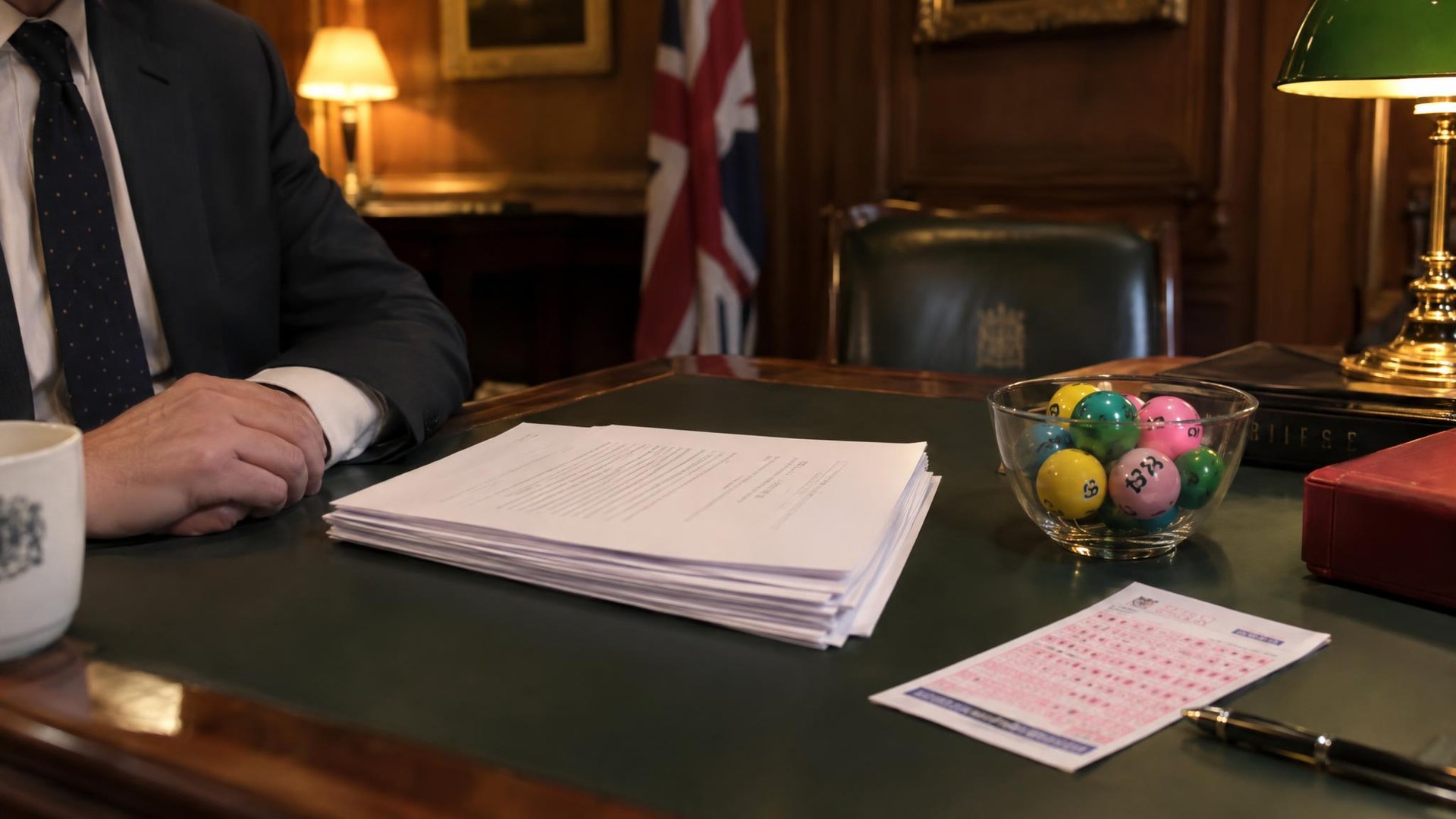
The Department for Digital, Culture, Media and Sport on 23 de septiembre de 2026 opened a public consultation on a proposal to prohibit third-party operators licensed under the Gambling Act 2005 from offering bets on Powerball. The department said the change would align Powerball’s treatment with other National Lottery products, which are already off-limits to third-party betting on game outcomes.
The consultation runs for six weeks and covers all of the United Kingdom. The department invited submissions from across the betting and lottery sectors, operators that may be affected, players and other interested parties. Responses are taken through an online survey, and the department provides the address [email protected] for anyone experiencing issues with it.
A ministerial foreword to the consultation document is signed by Vicky Foxcroft, the Parliamentary Under-Secretary of State whose ministerial portfolio includes gambling. The foreword states that the National Lottery, established in 1994, has generated over £53 billion for more than 680,000 projects across the arts, sports, heritage and communities sectors. Because of that status, the National Lottery is not regulated as gambling under the Gambling Act 2005, and Section 95 of the Act prohibits betting on it.
“Without intervention, there are risks of potential customer confusion and threats to the additional good causes expected to be raised from Powerball,” Foxcroft wrote. The proposal, she wrote, is intended to remove the risk of customers being confused and to ensure National Lottery good causes are maximised.
Powerball Joins the National Lottery Portfolio
Allwyn UK, the operator awarded the 4th Licence for the National Lottery, introduced the US-based Powerball draw game into its portfolio on 21 de julio de 2026. The document describes the launch as the first time the game has been available outside the United States. Allwyn’s stated goal is to double weekly good cause funding to £60 million by the time its licence ends in 2034, and the operator expects the new game to generate a further £1 billion for good causes across the next five years.
Powerball was not previously on sale in the UK, although a small number of gambling operators had for some time taken bets from UK customers on the outcome of the US draw. Rather than buying a ticket to enter Powerball officially, those customers were wagering on its result. Since July 21, both products have been on offer side by side: official play through the National Lottery, and betting on the draw through third-party operators.
The Proposed Licence Condition
Section 95 of the Gambling Act 2005 bars a betting licence holder from offering bets on the outcome of any lottery forming part of the National Lottery, a restriction already covering draw-based games such as EuroMillions, Lotto and Thunderball. Powerball sits outside that prohibition, the document explains, because the underlying US Powerball draw, the one on which operators take bets, is not itself part of the UK National Lottery.
To preserve the distinction Section 95 seeks to maintain, the department proposes a new licence condition under Section 78(1) of the Act, with regulations specifying a general condition that must be attached to relevant betting operating licences issued by the Gambling Commission. The condition would bar those operators from taking bets on Powerball draw outcomes from consumers in Great Britain. It would apply to a general betting operating licence, a pool betting licence and a betting intermediary licence.
Bets on other lotteries outside the National Lottery (the Irish Lotto, for example) would remain permitted. The document describes the approach as in keeping with the EuroMillions betting licence condition introduced in 2018, when legislation came into force prohibiting betting on the outcome of non-UK EuroMillions draws.
Stated Concerns and Alternatives Rejected
The document sets out three reasons the government believes the current position represents a problem: the risk that customers confuse the betting product with the official game and place bets unintentionally; the potential effect on good cause funding; and the government’s view that Powerball would otherwise be an outlier among National Lottery products. On confusion, it cites evidence from the 2014 Call for Evidence on prohibiting betting on EuroMillions, and states that voluntary action by operators and additional Gambling Commission guidance at the time did not end the confusion.
On funding, the document states that the National Lottery generates around £1.8 billion per year for good causes, with roughly 23% of sales from National Lottery products directed to those causes. It adds: “There is no requirement, nor is it standard practice, for third party betting operators who offer bets on Powerball (or other lotteries) to donate any of their sales to good causes.” Betting operators can also market products based on Powerball’s jackpot amounts without allocating proceeds to charitable initiatives, and such bets often undercut the retail price of an official ticket.
In line with HM Treasury’s Green Book, the department considered and rejected other options. Voluntary action by the Gambling Commission, including advice to operators on product clarity, was pursued ahead of the EuroMillions prohibition but was found to be limited in success. Requiring operators to donate to good causes was set aside as disproportionate, since it would force commercial organisations to alter the nature of their business and would muddy the line between placing a bet and entering the lottery. A blanket ban on betting on lotteries was also set aside as disproportionate to businesses, since wider non-National Lottery products do not raise good cause funds in the same way.
The government’s summary states that a prohibition would maintain the distinction Section 95 seeks to achieve between the National Lottery and gambling products, protect good cause funds in the same way as for UK draws, and do so without significantly impacting business. The consultation asks respondents, among other questions, whether third-party betting on Powerball should be prohibited, what impact a prohibition would have on good cause funding, how many customers would switch to official play, what share of an operator’s annual gross gambling yield the product represents, and what transition and familiarisation costs operators would face. The consultation closes at 11:59pm on 4 de noviembre de 2026.