Licences
Dutch Gambling Authority Grants First Eight Online Follow-Up Licences

 Ajouter Gaming.net à vos sources préférées sur Google
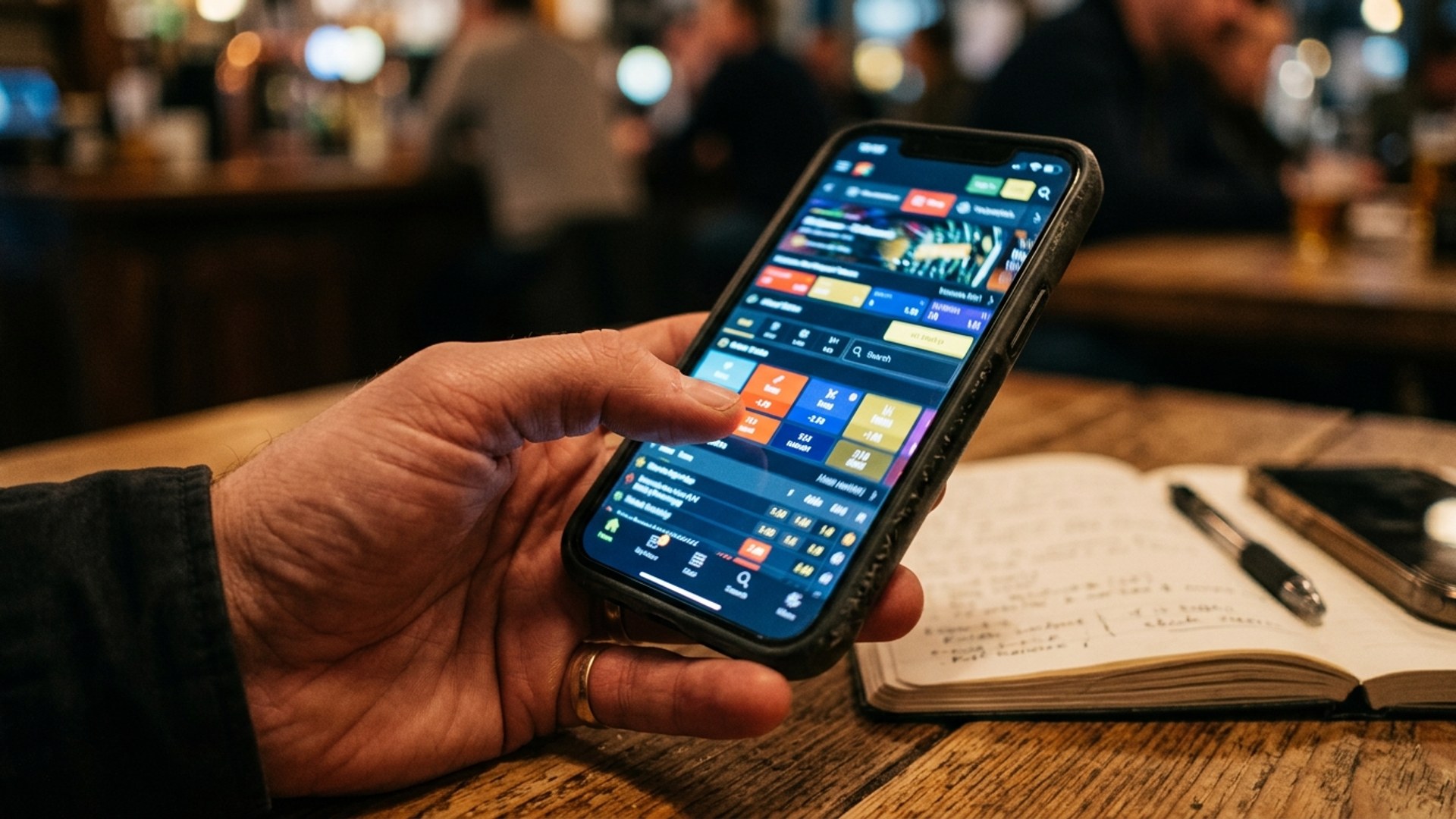
The Netherlands Gambling Authority (Kansspelautoriteit, Ksa) granted the first eight follow-up licences (vervolgvergunningen) to providers of online games of chance, the regulator announced on 17 septembre 2026. The new licences are valid from octobre 2026 through septembre 2031 and allow the eight operators to continue their activities on the Dutch online gambling market for the coming five years.
The first online gambling licences in the Netherlands were granted in 2021, when online gambling became legal in the country. Those licences expire at the end of septembre 2026.
The Eight Licensed Operators
TOTO Online B.V. received a follow-up licence covering the TOTO and Winnitt brands, and Holland Casino N.V. received one for Holland Casino Online. Play North Limited was granted a licence for Kansino, FPO Nederland B.V. for FairPlay Casino, and Bingoal Nederland B.V. for Bingoal. Hillside (New Media Malta) Plc received a follow-up licence for Bet365, NSUS Malta Limited for GG Poker, and Betent B.V. for Betcity.
New Look at Past Violations
In assessing the applications, the Ksa tested several subjects. New to the follow-up applications, the regulator explicitly examined the violations definitively established against providers over the past five years. Providers had to explain which measures they had taken to remedy the established violations and to prevent them from being committed again.
Based on this assessment, the Ksa gave some providers additional points of attention. The regulator said all eight providers meet the requirements for obtaining a licence.
The application procedure the authority published for existing licence holders sets out how a holder’s supervisory history is weighed. Prior supervisory findings can lead to refusal of an application under the Betting and Gaming Act. When weighing imposed sanctions and measures, the Ksa in principle looks back over the period of the current licence, taking into account how long ago the conduct occurred and when the sanction or measure was imposed. The weighing serves to determine whether special conditions or restrictions should be attached when a licence is granted, and the board can also decide on a period of more targeted supervision after granting.
The procedure also includes what the regulator calls a learning-capacity criterion. A licence holder must demonstrate how it learned from earlier violations and the Ksa’s subsequent interventions, documenting all measures taken, including any not previously reported, so the supervisor can judge whether they are sufficient. Separately, an applicant’s reliability is treated as not beyond doubt, leading to refusal, if it fails to comply with a final or provisionally enforceable judgment of a Dutch court.
New Applications Under 2026 Policy Rules
A follow-up licence requires a new application. The Ksa’s guidance for existing licence holders states that a holder whose licence expires must apply for a new licence because extension is not possible; existing holders use a separate procedure in the regulator’s Koa portal, different from the regular application for providers applying for the first time. New licensing policy rules for remote gambling, known as BRVKOA 2026, have applied since 1 janvier 2026, and brought new obligations for applicants.
The authority applies a six-month decision period under the remote-gambling decree, running from the moment a complete and substantively correct application has been submitted. When the Ksa requests additional information, the decision period is suspended until the information is received. Every applicant must also submit an exit plan with the application, because it cannot be predicted whether, when, or under what circumstances a licence will end early.
The 2026 policy rules also changed the permitted security for player funds. Since 1 janvier 2026, bank guarantees and third-party accounts are no longer accepted when applying for a new licence. Arrangements allowed under a current licence remain valid for the entire licence period; holders must comply with the new rules only when they apply for a follow-up licence.
The regulated Dutch online market dates to 2021. The Remote Gambling Act (Wet Kansspelen op afstand, Koa) took effect on 1 avril 2021, and the online gambling market opened on 1 octobre 2021, the authority said in its 2021 annual-report announcement. The Ksa processed 33 licence applications that year, resulting in 11 licences as of 1 octobre 2021.
Koa licences cover what the regulator calls high-risk online games of chance in four categories, according to its licensing page: casino games in which players play against the licence holder, casino games in which players play against each other, bets on sports matches, and bets on horse racing and harness racing. Only a licence under the Betting and Gaming Act, known as a Koa licence, permits an operator to offer online gambling in the Netherlands.
The Ksa was established in 2012 and is an independent administrative body, according to its official profile. It supervises and regulates gambling services in the European part of the Kingdom of the Netherlands, is funded by the industry through gambling levies, and its board members are appointed and dismissed by the Ministry of Justice and Security but are independent in their decision-making.
The eight follow-up licences take effect in octobre 2026. Providers holding a Ksa licence are listed in the authority’s public Kansspelwijzer register.