Spiele
Konami will Silent Hill mit jährlichem Veröffentlichungsrhythmus

 Gaming.net zu deinen bevorzugten Quellen auf Google hinzufügen
Konami behandelt Silent Hill nicht mehr als gelegentliche Wiederbelebung. Der Publisher möchte die Horrorreihe in einem jährlichen Veröffentlichungsplan haben und gibt an, bereits über eine Reihe nicht angekündigter Projekte in Entwicklung zu verfügen, um diesen Rhythmus zu ermöglichen.
“Unser Ziel ist es, hoffentlich jedes Jahr neue Spiele zu veröffentlichen,” sagte der Silent‑Hill‑Franchise‑Produzent Motoi Okamoto gegenüber GamesRadar+ durch einen Dolmetscher auf der Gamescom 2026.
Der Kommentar stellt einen Fortschritt gegenüber den öffentlichen Erwartungen dar, die Konami erst acht Monate zuvor gesetzt hatte. In einem Jahresend‑Feature für Famitsu hatte Okamoto das Ziel als Veröffentlichungsrate von „etwa einem Titel pro Jahr“ formuliert, wobei sowohl angekündigte als auch nicht angekündigte Spiele gezählt wurden. Auf der Gamescom wurde diese Formulierung zu einem klaren jährlichen Ziel.
Parallele Entwicklung ist der Mechanismus
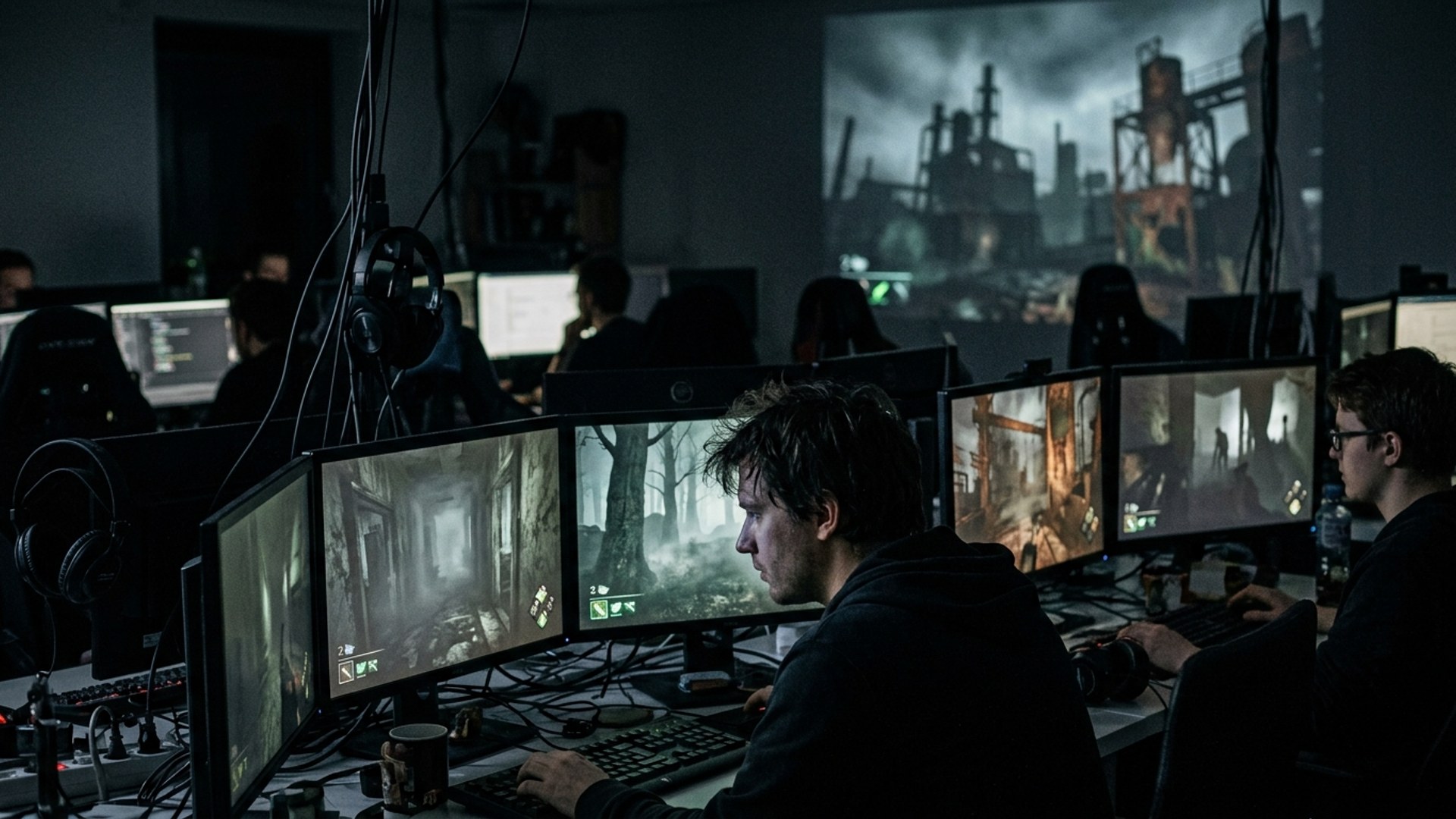
Ein jährlicher Rhythmus für eine Single‑Player‑Horrorreihe ist nichts, was ein einzelnes Studio allein bewältigen kann, und Okamoto sagte genau das. Um das zu erreichen, müssen mehrere Spiele gleichzeitig in der Produktion laufen, was laut Konami bereits in Umsetzung ist.
“Es gibt noch viele Projekte, die sich noch in Arbeit befinden und sehr unankündigte Titel,” sagte Okamoto. “Natürlich können wir nicht ins Detail gehen. Aber es gibt noch zahlreiche Projekte, die wir gerade erforschen und an denen wir gerade arbeiten.”
Er stellte die Produktionspipeline als Versprechen an die Spieler dar und nicht als einmaliges Ereignis. “Wir möchten den Spielern mitteilen, dass weitere Erlebnisse in Vorbereitung sind und viele Spielarten, von denen wir glauben, dass sie den Spielern, die auf die Serie warten, positive Überraschungen bieten können,” sagte er.
Die Struktur hinter dieser Pipeline ist bereits in den von Konami angekündigten Veröffentlichungen erkennbar. Jedes Haupt‑Silent‑Hill‑Spiel, das in diesem Jahrzehnt veröffentlicht oder vorgestellt wurde, wurde von einem externen Studio entwickelt und nicht intern von Konami: NeoBards entwickelte Silent Hill f, Bloober Team übernahm das Remake von Silent Hill 2 und remastert nun das erste Spiel, und das Indie‑Studio No Code arbeitet an Silent Hill: Townfall. Das hauseigene Team Silent von Konami, das die Originalspiele geschaffen hat, ist seit Jahren nicht mehr aktiv.
Warum die Settings sich weiterbewegen
Okamoto verknüpfte die Produktionsstrategie bewusst mit einer geografischen Komponente. Die Serie entfernt sich von der amerikanischen Stadt, die ihr den Namen gab, und er betont, dass dies beabsichtigt und nicht zufällig sei.
“Wenn wir uns ausschließlich auf denselben amerikanischen Schauplatz konzentrieren, würden die narrativen Möglichkeiten erschöpft und zudem möglicherweise die Spielerschaft ermüden,” sagte er.
Silent Hill f spielte in Japan, und das kommende Silent Hill: Townfall ist in Schottland angesiedelt. Durch die Platzierung jedes Projekts in einer anderen Region, erklärte Okamoto, können die externen Entwickler “in den Umgebungen und Erzählweisen arbeiten, die für sie am besten funktionieren.” Dieses Modell passt zu einem Publisher, der mehrere ausgelagerte Produktionen gleichzeitig betreibt, da jedes Studio einem Setting zugeordnet werden kann, das es kompetent umsetzen kann.
Wie die Taktung in der Praxis aussieht
Der nächste Test des Jahresplans ist bereits datiert. Silent Hill: Townfall, das No‑Code‑Projekt, das gemeinsam mit Annapurna Interactive veröffentlicht wird, erscheint am 24. September 2026, etwa ein Jahr nach Silent Hill f im September 2025 und zwei Jahre nach dem Silent‑Hill‑2‑Remake im Oktober 2024. Dieser Abstand entspricht dem, was „etwa ein Titel pro Jahr“ bislang im Veröffentlichungskalender bedeutet.
Die Dezember‑Aussage in Famitsu und der Kommentar auf der Gamescom lesen sich wie zwei Punkte auf derselben Linie: ein Publisher, der fast ein Jahrzehnt von der Serie entfernt war und sie nun zu einer verlässlichen Jahresfranchise umgestaltet. Das ursprüngliche Team Silent ist nicht mehr existent, die Remake‑Arbeiten liegen bei Bloober Team, und neue Teile werden an einen rotierenden Pool externer Studios übergeben, wobei Konami bei allen Produktionen mitwirkt. Ob die von Okamoto beschriebenen „vielen“ nicht angekündigten Projekte dieses Tempo über das Jahr 2026 hinaus halten können, bleibt die offene Frage, die der Veröffentlichungskalender als Nächstes beantworten wird.