Das Beste
10 beste PS2‑Spiele aller Zeiten, nach Rangliste

 Gaming.net zu deinen bevorzugten Quellen auf Google hinzufügen
Die PlayStation 2 verkaufte über 155 Millionen Einheiten in ihrer Lebensdauer und hält nach wie vor den Rekord für die umsatzstärkste Konsole aller Zeiten. Mit fast 4 000 zwischen 2000 und 2007 veröffentlichten Spielen ist die Bibliothek riesig – und ich meine wirklich vollgepackt mit Highlights aus allen Genres. Ich habe unzählige Stunden mit der PlayStation 2 verbracht, und die Auswahl auf zehn zu reduzieren fühlt sich an, als würde man Lieblingsmomente aus den eigenen Erinnerungen auswählen.
Dennoch haben einige Spiele auf der PS2 mehr geleistet als nur zu unterhalten; sie veränderten, wie wir ganze Genres wahrnehmen. Ohne weiter zu zögern, hier ist meine Rangliste der besten PS2‑Spiele aller Zeiten.
10. Burnout 3: Takedown
Rennen mit Höchstgeschwindigkeit, bei dem Abstürze die Hauptbelohnung sind
Mir fällt kein anderer Rennspieler auf der PS2 ein, der das Crashten zum eigentlichen Ziel gemacht hat. Die meisten Rennspiele bestrafen dich für Fehler, und jede Kollision bedeutet verlorene Zeit oder Position. Burnout 3 tat genau das Gegenteil. Einen Gegner in den Gegenverkehr zu schmettern oder ihn gegen eine Barriere zu schleudern füllte tatsächlich deine Boost‑Anzeige und verlängerte sie, sodass je aggressiver du fährst, desto schneller du wirst. Und selbst nachdem du dein eigenes Auto zerstört hast, lässt dich die After‑Touch‑Mechanik dein zertrümmertes Wrack in Zeitlupe zu nahegelegenen Rivalen steuern, um einen letzten Treffer zu landen. Kurz gesagt, das Crashten war hier eine Strategie.
Die Crash‑Kreuzungen, Hunderte davon, waren wie kleine Zerstörungspuzzles, bei denen du in eine überfüllte Kreuzung fliegst und versuchst, die höchstmögliche Schadenszahl zu erzielen. Multiplikatoren, Kettenreaktionen, Explosionen, die übereinander stapeln. Ich erinnere mich, dass ich viel zu viel Zeit an bestimmten Kreuzungen verbrachte, um meine eigene Punktzahl zu überbieten. Insgesamt schuf Burnout 3 im Renngenre einen Platz, indem es die lauteste, chaotischste Option auf der Konsole war, und in jeder Rangliste der besten PS2‑Spiele aller Zeiten hat es einen festen Platz, weil es etwas tat, das kein anderer Rennspieler in diesem Ausmaß versucht hat.
9. Grand Theft Auto: San Andreas
Die offene Welt, die jede andere Karte klein erscheinen ließ
Vor San Andreas hatten Open‑World‑Spiele spürbare Grenzen. Man erkundete eine Stadt, erledigte Missionen, fuhr vielleicht eine Weile herum, und schließlich schlossen sich die Ränder der Karte. San Andreas sprengte diese Grenzen. Die Karte erstreckte sich über drei unterschiedliche Städte, verbunden durch Autobahnen, Landstriche, Wüsten und kleine Dörfer. Die schiere Größe schien damals fast unmöglich für die PS2‑Hardware zu bewältigen.
CJs Geschichte führt durch Bandenfehden, Verrat, korrupte Polizeikräfte und persönlichen Ehrgeiz, alles verwoben in dieser riesigen Landschaft. Man konnte ins Fitnessstudio gehen, um Muskeln aufzubauen, sich die Haare schneiden lassen, neue Kleidung kaufen, das Fliegen von Flugzeugen erlernen, unter Wasser schwimmen, Mountainbike‑Strecken befahren. Die Vielfalt übertraf bei weitem alles, was ein Open‑World‑Spiel zuvor auf einer Heimkonsole bot. San Andreas trägt zudem ein kulturelles Gewicht, mit seinem West‑Coast‑Setting der 90er‑Jahre, Radiosendern voller musiktypischer Stücke jener Ära und Dialogen, die in einer konkreten Zeit und an einem konkreten Ort verankert sind. Es erweiterte die GTA‑Formel in jede Richtung so stark, dass Spieler Hunderte von Stunden darin verbrachten und immer noch neue Begegnungen fanden. In jeder Top‑10‑Rangliste der PlayStation 2‑Spiele muss San Andreas dabei sein, weil allein sein Ehrgeiz das gesamte Medium vorantrieb.
8. Devil May Cry 3: Dante’s Awakening
Gegner jonglieren mit kreativen Kombos über sechs verschiedene Kampfstile
GTA VI Extended Look: Alle bestätigten Details, die Sie wissen müssen
Das Action-Genre auf der PS2 bot zahlreiche Einträge, in denen Charaktere Schwerter schwingen und Gegner auf linearen Levels abschießen. Dann erschien Devil May Cry 3 und setzte die Messlatte so hoch, dass alles Vorherige im Vergleich träge wirkte. Dante, der halb‑dämonische Protagonist, hatte Zugriff auf mehrere Kampfstile, Nahkampfwaffen und Schusswaffen. Und das Stil‑Meter auf dem Bildschirm bewertete deine Leistung mit Buchstabenrängen bis hin zu SSS, sodass das ständige Wiederholen derselben Drei‑Treffer‑Kombination deine Punktzahl stark senkte. Du musstest bei jeder Begegnung kreativ sein, deine Angriffe variieren und zum richtigen Zeitpunkt ausweichen, um die Ränge zu erhöhen.
Vergil, Dantes Zwillingsbruder und Hauptantagonist, wurde zu einem der bekanntesten Rivalen der Videospielgeschichte, und du kämpfst drei separate Male gegen ihn im Spiel. Jede Begegnung zwang dich, deine gesamte Strategie neu zu überdenken, weil Vergils Moveset parallel zu deinem wuchs. Er bestrafte repetitive Muster sofort, und die Zeitfenster, um seine Angriffe zu kontern, waren hauchdünn. Ich würde sagen, Vergil allein hob DMC3 von einem großartigen Action‑Spiel zu einem unvergesslichen Erlebnis. Und die gesamte Community erschuf jahrelang Memes, Fan‑Art und Kombos‑Shows rund um diese Begegnungen.
7. Resident Evil 4
Survival‑Horror neu gestaltet mit Over‑the‑Shoulder‑Kampf und unnachgiebigem Tempo
RE4 durchlief mehrere verworfene Versionen, bevor es überhaupt zu RE4 wurde, und das Endprodukt veränderte die Arbeitsweise von Third‑Person‑Action in der gesamten Branche. Spiele wie Gears of War und Dead Space liehen stark von der Over‑the‑Shoulder‑Perspektive, die RE4 popularisierte, sodass seine Spuren überall im modernen Gaming zu finden sind. Und die PS2‑Version enthielt speziell zusätzlichen Inhalt, den die ursprüngliche GameCube‑Veröffentlichung nicht hatte, darunter eine Nebenmission mit Ada Wong namens Separate Ways, die ihre eigene verdeckte Mission parallel zu Leons zeigte. PS2‑Spieler erhielten also das vollständigere Paket.
Jeder Abschnitt der Kampagne stellte dich vor völlig unterschiedliche Begegnungen, von Dorfambuschen mit koordinierten Gegnern über Bosskämpfe gegen massive Kreaturen bis hin zu angespannten Sequenzen, in denen die Munition gefährlich knapp wurde. Das Spiel wiederholte sich selten, und die Mischung der Gegnertypen zwang dich, deine Vorgehensweise ständig neu zu überdenken. Außerdem hatte Leons Charakter einen trockenen Humor, gemischt mit echter Verwundbarkeit. Ich würde sogar sagen, RE4 hat das DNA von Third‑Person‑Action‑Spielen dauerhaft verändert, und kaum ein Spiel seitdem kommt an diese Balance von Horror und stetigem Vorwärtsdrang heran.
6. Final Fantasy X
Eine emotionale RPG‑Reise durch die letzte Hoffnung einer zum Untergang verurteilten Welt
FFX war das erste Spiel der Reihe mit voller Sprachausgabe, und ich würde sagen, diese Entscheidung veränderte alles daran, wie die Geschichte die Spieler berührte. Tidus, ein junger Athlet, wird aus seiner eigenen Welt gerissen und nach Spira geworfen, einem Ort, an dem ein riesiges Wesen namens Sin immer wieder Zivilisationen in einem endlosen Zyklus zerstört. Deshalb schließt er sich Yuna an, einer Beschwörerin, die einen heiligen Pfad über den Kontinent wandert, um mächtige Wesen zu sammeln und schließlich Sin zu besiegen. Und das Verheerende war, dass das Abschließen dieser Pilgerreise bedeutete, dass Yuna sterben würde. Ihre Wächter wussten das von Anfang an. Tidus nicht.
All diese sanften Gespräche, die unbequemen Pausen, die Szenen, in denen die Gruppe zu Beginn seltsam traurig wirkte, erhielten eine zweite Bedeutung, sobald man die Wahrheit erfuhr. Das ursprüngliche Konzept des Spiels war übrigens ein völlig anderes Projekt über Menschen, die im Alter von siebzehn Jahren sterben, und man kann Spuren dieses schweren Themas in Spiras Welt erkennen. Ich erinnere mich, dass das Ende zu den seltenen Momenten im Gaming gehörte, in denen Menschen offen zugegeben haben, dass sie geweint haben. Der Autor Kazushige Nojima hat sogar darüber gesprochen, wie stolz er darauf ist, Spieler mit FFX emotional zu berühren. FFX überbrückte die Lücke zwischen klassischen rundenbasierten RPGs und den filmischen, vertonten Erlebnissen, die moderne Spiele anstreben, und für viele Spieler war es das wichtigste PS2‑RPG.
5. Silent Hill 2
Psychologischer Horror, angetrieben von Schuld, Trauer und persönlichen Dämonen
Silent Hill 2 ist ein seltener Horrortitel, bei dem das beängstigendste Element der Protagonist selbst ist. James Sunderland erhält einen Brief von seiner verstorbenen Frau, in dem sie ihn bittet, sie in einer nebligen, halb verlassenen Stadt zu treffen. Von da an ist jede Kreatur, jede Begegnung, jeder Flur direkt mit seiner verborgenen Schuld verknüpft. Die große Gestalt mit dem massiven dreieckigen Helm ist als Spiegelbild von James’ Wunsch nach Bestrafung gestaltet. Die Angst entsteht also nicht durch etwas, das plötzlich auftaucht, sondern durch das langsame Aufdecken dessen, was James vor sich selbst verbirgt.
Jetzt, wo die Erzählung das Spiel komplett in seinem eigenen Raum verankert, spricht James kaum, doch jedes Gespräch, das er mit den Menschen um ihn herum führt, legt eine weitere Schicht der Geschichte frei. Der faszinierendste Aspekt ist jedoch, dass das Spiel dein Verhalten still beobachtete. Wie oft du bestimmte Gegenstände überprüft hast, wie viel Schaden du erlitten hast – all das beeinflusste, welches Ende du erhalten würdest. Und du wusstest nicht einmal, dass das geschah. Ich persönlich denke, Silent Hill 2 hat sein Erbe verdient, weil es Horror tief emotional behandelte statt als reine Überlebensherausforderung. Und das allein rechtfertigt seinen hohen Platz in unserer Top‑10‑Rangliste der PlayStation 2‑Spiele.
4. God of War II
Mythologische Action in massivem, unnachgiebigem, filmischem Ausmaß
Kratos hatte im ersten Spiel bereits einen Gott getötet und den Thron beansprucht, sodass das Sequel mit einem wilden Ausgangspunkt arbeiten konnte. Und es hielt dieses Versprechen voll und ganz. Der Auftakt warf dich gegen eine riesige animierte Statue, die eine ganze Stadt zerfetzte, und die Intensität stieg von dort an stetig weiter. Besonders auffiel die Entscheidung der Entwickler, bei der PS2‑Hardware zu bleiben, während die meisten Studios bereits zur nächsten Generation gewechselt hatten, und sie alles aus dieser alternden Konsole herauspressten. Optisch sah es aus, als gehöre es nicht auf eine Maschine aus den frühen 2000er‑Jahren.
Tatsächlich ließ es mehrere neuere Spiele auf neueren Konsolen im Vergleich klein wirken. Das Ausmaß der Setpieces war absurd, mit Kameraperspektiven, die mitten im Kampf zurückzogen, um zu zeigen, wie enorm die Kreaturen und Umgebungen um Kratos herum waren. Außerdem erweiterte sich das Kampfsystem im Vergleich zum ersten Spiel erheblich. Auch das Ende ist aus gutem Grund berühmt, weil es die gesamte Fangemeinde nach einer Fortsetzung dürstete und praktisch den Cliffhanger im Gaming definierte. Als Abschied von den goldenen Jahren der Konsole lieferte es ein Erlebnis, das auch gegen moderne Action‑Spiele standhält.
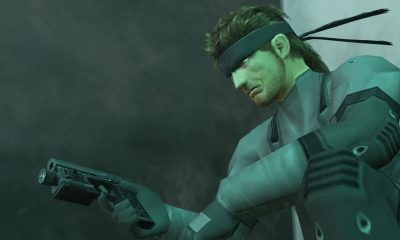
3. Metal Gear Solid 3: Snake Eater
Spionage im Kalten Krieg mit Survival‑Mechaniken und emotionaler Erzählung
Metal Gear Solid 3 war der dritte Teil einer Serie, die für die Mischung aus militärischer Spionage und filmischem Drama bekannt ist, und sie sprang zurück in die Ära des Kalten Krieges. Ich würde argumentieren, dass die Reihe genau hier ihren Höhepunkt erreichte, weil die kreative Ambition ein völlig neues Level erreichte. Allein die Boss‑Begegnungen verschafften diesem Spiel einen dauerhaften Platz in der Geschichte des Gamings. Jeder Gegner hatte eine völlig eigene Persönlichkeit, und die Entwickler gestalteten jeden Kampf um eine einzigartige Idee, die mit dem jeweiligen Gegner verknüpft war. Das Scharfschützen‑Duell wurde legendär unter den Fans, weil es Geduld statt Reflexe verlangte, da der Kampf sich über ein riesiges Gebiet erstreckte, in dem beide Seiten gleichzeitig aufeinander jagten.
Oder, und hier wurde es kreativ, du konntest die In‑Game‑Uhr weiterlaufen lassen und er würde an Altersschwäche sterben. Ich meine, nur sehr wenige Entwickler würden einem Spieler erlauben, ein so wichtiges Duell zu überspringen. Die emotionale Tiefe hier traf härter als jeder andere Teil der Serie. Snakes Beziehung zu seinem Mentor trug so viel zur Erzählung bei, und im finalen Akt wurden die Konsequenzen ihrer Bindung verheerend. In Gesprächen über die besten PS2‑Spiele aller Zeiten verdient Metal Gear Solid 3 einen Platz unter den Höchstplatzierten, und ich stehe voll hinter dieser Einstufung.
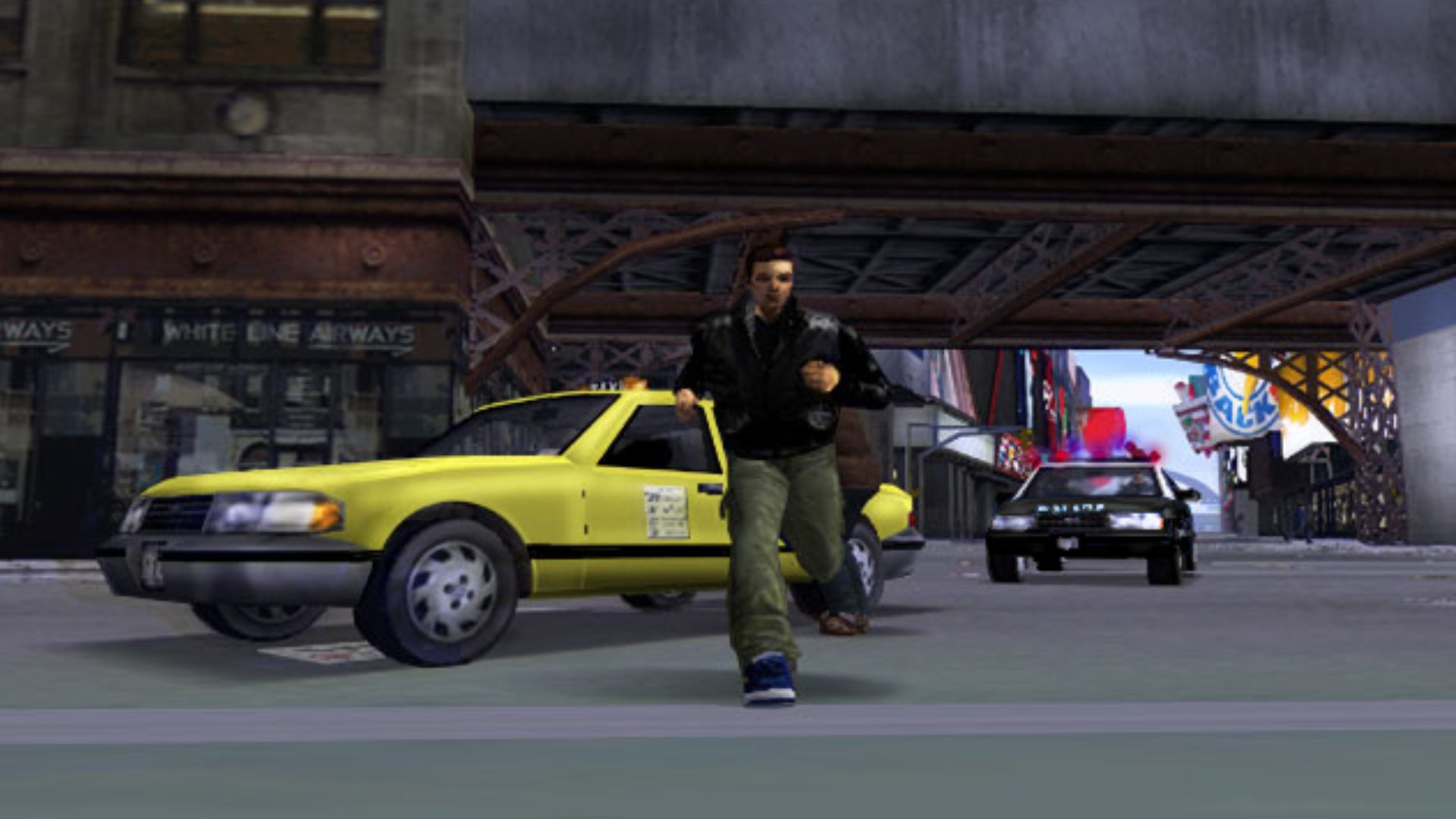
2. Grand Theft Auto III
Open‑World‑Kriminal‑Sandbox, die das Spieldesign veränderte
GTA III tat für Open‑World‑Spiele das, was Smartphones für die Kommunikation getan haben. Vorher war die Serie ein Top‑Down‑Erlebnis mit einer Vogelperspektive, und der Sprung zu vollem 3D war enorm. Man konnte eine ganze Stadt durchstreifen, Autos stehlen, Missionen von Kriminellen übernehmen oder einfach stundenlang Chaos auf den Straßen anrichten. Außerdem sprach der Hauptcharakter Claude während des gesamten Spiels kein einziges Wort. Er war völlig stumm, während jede andere Figur um ihn herum volle Sprachausgabe und Persönlichkeit hatte. Die Entwickler gaben später zu, dass sie diese Entscheidung getroffen hatten, weil sie bereits zu viele Probleme während der Entwicklung zu lösen hatten und ein sprechender Protagonist damals nicht als Priorität galt.
So wurde Claude zu einer leeren, mysteriösen Gestalt, die die Welt um ihn herum alles reden ließ. Sein Name wurde erst offiziell erst in einem späteren Teil der Serie als „Claude“ bestätigt. Der eigentliche Grund, warum GTA III den zweiten Platz in unserer Rangliste der besten PS2‑Spiele aller Zeiten verdient, ist sein Einfluss. Praktisch jedes Open‑World‑Spiel, das danach kam, übernahm das von ihm geschaffene Template. Die Stadt hatte unterschiedliche Stadtviertel mit eigenen Atmosphären, und Missionen reichten von Verfolgungsjagden bis zu Attentaten. Und obwohl einige dieser Missionen nach heutigen Maßstäben rau waren, kompensierte die Freiheit dazwischen das. Man konnte die Geschichte komplett ignorieren und einfach nur erkunden, was zur damaligen Zeit eine radikale Idee war.
1. Shadow of the Colossus
Eine isolierte, emotionale Quest, bei der jede Begegnung ein riesiger Bosskampf ist
Shadow of the Colossus entfernte fast alles, worauf traditionelle Action‑Adventure‑Spiele in der PS2‑Ära setzten. Es gab keine regulären Gegner, die über die Karte verstreut waren, keine Dörfer voller Nebenquests und keine Inventar‑Management‑Bildschirme. Das gesamte Spiel drehte sich um einen jungen Mann namens Wander, der in ein verbotenes Land reiste, um jemanden, den er verloren hatte, wiederzubeleben, und dafür musste er sechzehn massive Kreaturen, die Kolosse, besiegen. Die Struktur war einfach und repetitiv: Man ritt mit dem Pferd über eine leere Landschaft, fand einen Koloss, bestieg ihn und traf seine Schwachstellen, und dennoch verwandelte die Ausführung diese Schleife in etwas zutiefst Bewegendes.
Die Kolosse reichten von aggressiv bis fast passiv, und einige reagierten kaum auf Wander, bis er begann, ihre Körper zu erklimmen. Ich denke, das ist es, was die emotionale Seite so stark traf, weil du im Grunde Kreaturen besiegst, die nicht immer feindlich dir gegenüberstehen. Wanders körperlicher Zustand verschlechterte sich mit jeder Begegnung ebenfalls. Darüber hinaus wurde das Spiel ursprünglich als Mehrspieler‑Erlebnis konzipiert, bei dem mehrere Spieler gemeinsam gegen einen einzelnen Koloss antreten sollten. Das Team konnte das mit der verfügbaren Hardware nicht realisieren, also setzten sie auf die Solo‑Reise. Und dieser einsame Ansatz prägte die gesamte Identität des Erlebnisses. Shadow of the Colossus dominiert jede Top‑10‑Rangliste der PlayStation 2‑Spiele aus einem Grund, und ich sehe nicht, dass sich das bald ändern wird.