牌照
New York Sues Polymarket Over Unlicensed Gambling Operation

 将 Gaming.net 添加到您在 Google 上的首选来源
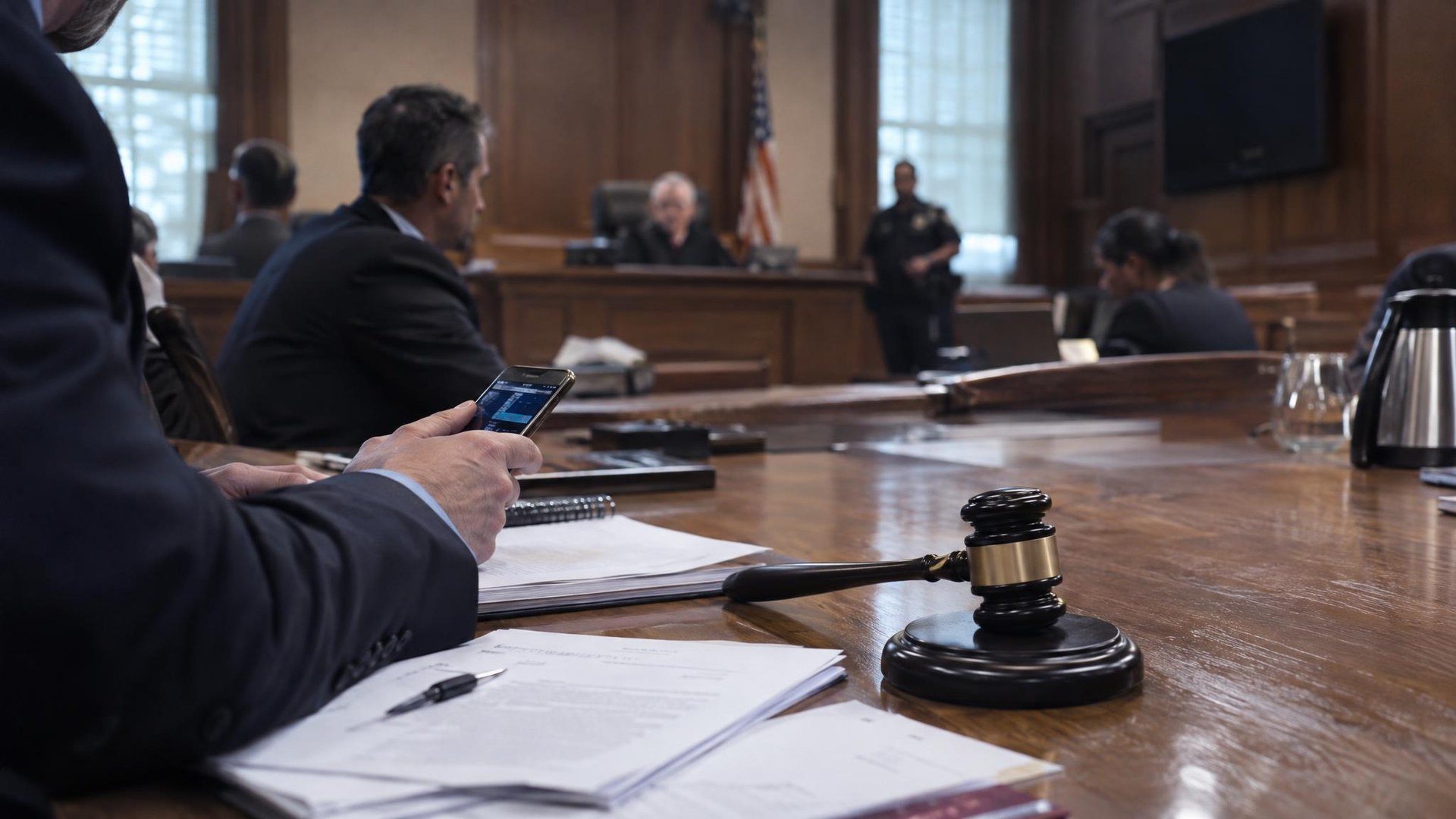
New York Attorney General Letitia James and Governor Kathy Hochul announced a lawsuit on 2026年9月24日, against QCX LLC, doing business as Polymarket US, accusing the prediction market operator of running an illegal, unlicensed gambling business in the state. Polymarket US filed its own lawsuit against James and state gaming officials in federal court the same day.
The attorney general’s office said its investigation found that Polymarket’s prediction market is an illegal, unlicensed gambling operation that exposes New Yorkers, including people under the legal gambling age of 21, to personal and financial risk. The state is seeking a court order stopping Polymarket from operating as an unlicensed gambling business in New York, along with fines, forfeiture of all illegal gains, and restitution to users.
“Our gambling laws exist to protect New Yorkers, prevent the potential harms of problem gambling, and ensure funding for educational and public benefit programs,” James said. “By skirting New York’s laws, Polymarket is targeting the most vulnerable and depriving New York families of critical services and support.”
What the State’s Petition Alleges
The state filed a verified petition in New York Supreme Court under a provision of the Executive Law that authorizes the attorney general to seek orders enjoining repeated and persistent illegal acts in business. The petition brings eight causes of action, citing the state constitution’s gambling prohibition, penal statutes covering the promotion of gambling and the possession of gambling records, Racing Law provisions that bar unauthorized sports wagering and the operation or advertising of an unlicensed mobile sports wagering platform, and the federal Interstate Wire Act, which prohibits the use of wire communications to transmit bets on sporting events.
The petition asks the court to permanently enjoin Polymarket from operating a gambling business in New York without a Gaming Commission license, to order an accounting of all bets placed and monies lost by customers, and to direct restitution, disgorgement, damages, and prejudgment interest. It also seeks a penalty of three times the company’s gain from the alleged practices and a $100,000 penalty for each offer or attempted offer of sports wagering in New York without authorization.
According to the petition, Polymarket launched its U.S. platform for select users on or around 2025年12月3日, announcing it was “launching with sports—followed by markets on everything,” and later advertised on its Apple App Store page that it is “legal in all 50 states.” The filing cites an 2025年8月17日, post on the company’s X.com account promoting trading on every football game in all 50 states, advertisements posted ahead of the 2026年2月8日, Super Bowl, a 2026年1月8日, post announcing that Madison Square Garden had named Polymarket the official prediction market partner of the New York Rangers, and an 2026年8月5日, post offering new traders $20 with a promotional code.
Investigators documented wagers placed from New York-based accounts, the petition states. On 2026年7月6日, a bettor placed 6.39 wagers totaling $3.01, including a $0.10 fee, on the New York Mets to defeat the Atlanta Braves, and received a $6.39 payout when the Mets won. On 2026年8月7日, a bettor placed 94 one-cent wagers, for $1.00 including a $0.06 fee, on contestant Dee Valladares to be eliminated in week four of the reality television show Big Brother Season 28. On 2026年8月27日, a bettor placed more than five bets totaling more than $5,000 in a single day.
The petition also alleges the platform offered spread wagers, such as a 2026年7月23日, contract on whether the Los Angeles Dodgers would beat the Mets by more than 1.5 runs in their July 24 game, and “combo” wagers that combine individual bets into a parlay for a larger payout. It states Polymarket offered markets on New York college teams, including Syracuse and St. John’s basketball and a football game between Buffalo and Albany, even though licensed New York operators are prohibited from offering wagering on events in which New York college teams participate. The petition states Polymarket is not licensed by the New York State Gaming Commission in any capacity, and that the gambling business it operates with its parent and affiliates is reportedly valued at more than $20 billion, with annualized revenue reportedly well over $1 billion, figures the filing attributes to a news article.
The filing further alleges Polymarket permits bettors aged 18 to 20 to open accounts and wager, while the Racing Law defines minors as anyone under 21 and prohibits licensees from allowing them to bet. New York’s nine mobile sports wagering licensees are taxed at approximately 51 percent of gross revenues, and in 2024 they generated approximately $2 billion in gross gaming revenue and paid more than $1 billion in state taxes, the petition states, citing Gaming Commission materials. That tax revenue primarily funds public schools, sports programs for underserved youth, and problem gambling education and treatment.
The petition cites a state Office of Addiction Services and Supports bulletin identifying ages 18 to 24 as a high-risk population for gambling addiction, recording more than 14,000 calls to the state’s gambling helpline from 2020 through 2024, and reporting that by 2022 mobile sports betting had overtaken casino gambling as the leading reason New Yorkers called. The attorney general’s office separately cited a National Institute of Health finding that early gambling exposure increases the likelihood of depression, anxiety, mood swings, and financial stress, and an American Psychological Association finding that 32 percent of people with a gambling disorder experience suicidal ideation.
Hochul said the company had put New Yorkers at risk beyond the alleged legal violations. “By running an unlicensed gambling operation, Polymarket has done more than just knowingly violate state law, they have put New Yorkers at risk, especially those underage who are most vulnerable to problem gaming,” she said.
Polymarket’s Federal Preemption Case
QCX LLC’s complaint for declaratory judgment and injunctive relief, filed in the U.S. District Court for the Southern District of New York, names James, Gaming Commission Chair Brian O’Dwyer, six other commissioners, and the commission’s executive director, Robert Williams, all in their official capacities. The company asks the court to declare that New York’s civil and criminal gambling laws are preempted by the Commodity Exchange Act as applied to Polymarket US, and to enjoin the officials from enforcing them.
The complaint presses express, field, and conflict preemption theories under the Supremacy Clause, arguing that Congress gave the Commodity Futures Trading Commission exclusive jurisdiction over swaps, a category the filing says includes event contracts, traded on designated contract markets. It states the CFTC granted Polymarket US its contract-market designation on 2025年7月9日, and that the company has self-certified financial, election-related, and sports-related event contracts since 2025年9月30日.
Polymarket US describes itself in the complaint as a transparent, centralized exchange that matches the orders of third parties, charges a flat fee for each transaction, does not act as a counterparty, and does not make money when a bettor loses, earning the same amount regardless of an event’s outcome. The filing contrasts that model with state-licensed sportsbooks, which it says set their own odds and serve as counterparties to their customers’ wagers.
The complaint cites a 2026 Third Circuit ruling in KalshiEX LLC v. Flaherty holding that the Commodity Exchange Act preempts state laws regulating event contracts on CFTC-licensed exchanges, the CFTC’s own 2026年4月24日, lawsuit against New York, and a Minnesota federal court’s 2026年7月27日, preliminary injunction barring that state from enforcing its laws against CFTC-regulated contract markets, including Polymarket US.
The company alleges it faces imminent and irreparable harm, contending that even a meritless state enforcement action would disrupt its operations, fragment a national market, reduce liquidity, and jeopardize banking and commercial relationships, and that the threat of enforcement forces it to choose between exercising its federal right to operate nationwide and submitting to unlawful state coercion. Gibson Dunn & Crutcher attorneys, including Orin Snyder, signed the complaint as counsel.
Prior Actions Cited in the Filings
Each filing recounts earlier enforcement actions. The attorney general’s office listed an $8 million settlement in 2026年9月 with the leading operator of sweepstakes casinos, a 2026年7月 lawsuit against Kalshi, 2026年4月 lawsuits against Coinbase and Gemini, a 2026年1月 lawsuit against video game developer Valve over the alleged promotion of gambling through video games popular with children and teenagers, and a 2025年6月 action that stopped 26 illegal online sweepstakes casinos. Hochul also signed an executive order in 2026年4月 banning state employees from engaging in insider trading using prediction markets.
Polymarket’s complaint states that New York sued Coinbase and Gemini on 2026年4月21日, and Kalshi on 2026年7月31日, each time seeking a temporary restraining order over sports-event contracts, and that the CFTC has sued numerous states over prediction-market enforcement and obtained preliminary injunctions in multiple jurisdictions. The state’s case is being handled by assistant attorneys general and senior enforcement counsel in the attorney general’s Investor Protection Bureau.