レビュー
Unbox the Room レビュー (Xbox Series X|S & PC)


Call me nosy, but I’m one of those people—a guy who will happily roam your front room and then, without hesitation, begin asking you questions about various trinkets atop your fireplace, your kitchen cupboards, or your bathroom sink. More often than not, I’ve found that there is a story behind most of the objects that make up a room. A photograph has a certain amount of emotional value to it, as does a medal that you might have won from a soccer tournament a good fifteen years ago. I suppose, if anything, I’m a fan of the water cooler talk—the brief conversations that you enthusiastically share over the most irregular of items. I’m all for that. But what I’m not for is an empty room with absolutely nothing in it to talk about. If there isn’t a place to hang my coat, then I’ll likely show myself out.
Sadly, Unbox the Room brings the same problem to the table: an empty room with no charm or talking points to pique your interest. Unpacking, which in itself is a brilliant organizing sim that brought both emotional depth and a few plot beats to the mix, had that quality that you tend to go looking for in a cozy puzzler. The problem is, Unbox the Room doesn’t provide that kind of experience. Instead, it chooses to prioritize the ever-fruitful two-dimensional aesthetic and the lo-fi ambiance. And while that isn’t a crime in itself, it is a major problem in this case. It’s a problem because, where it tends to focus on the ambience, it loses sight of everything else that makes up a good and well-rounded experience.
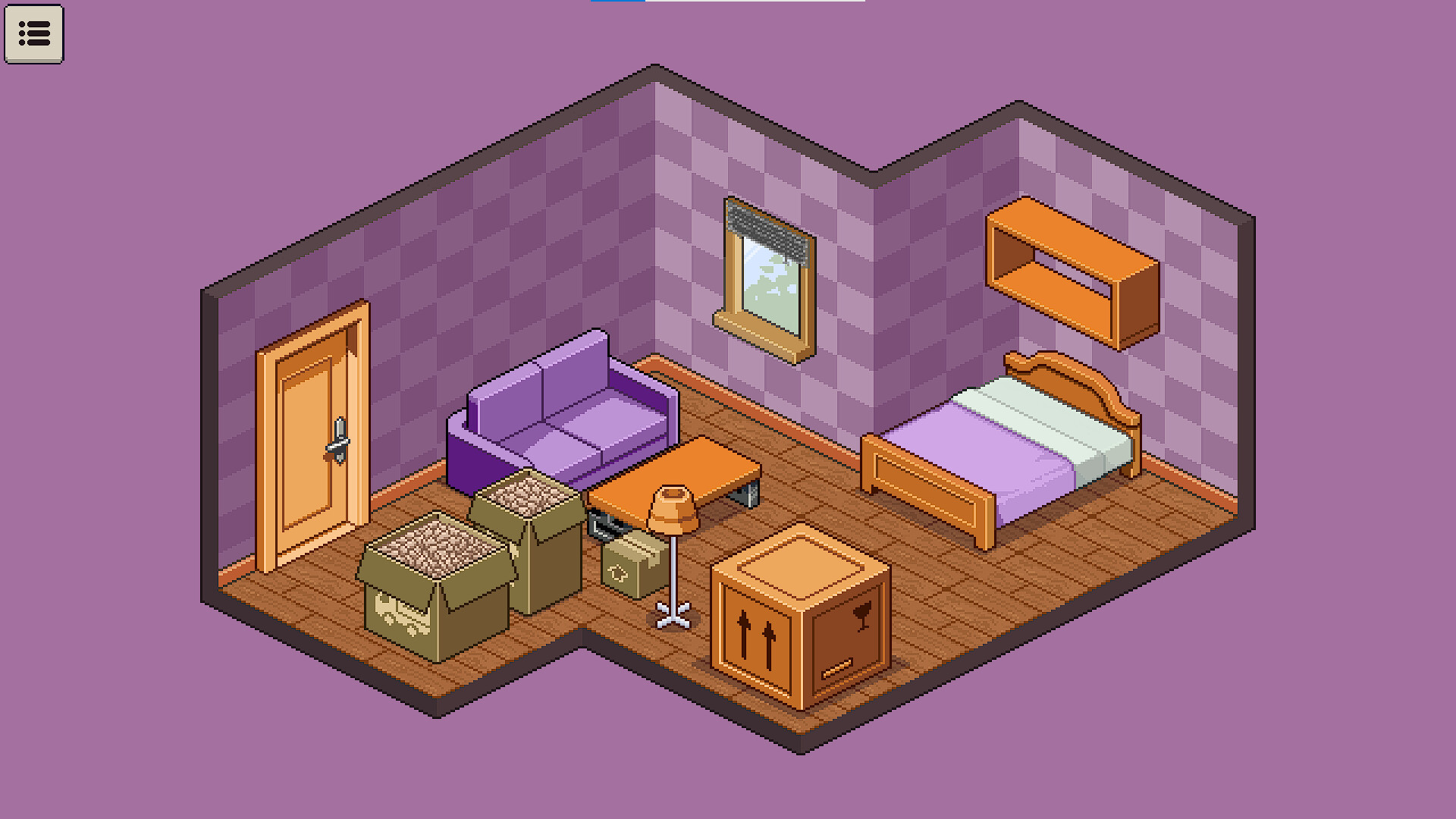
Of course, it’s easy to see where Unbox the Room pulls its inspiration from. If you’ve even so much as glazed the surface of Unpacking, then you’ll know that this is, in short, the same basic thing. You have a series of cartoon-like rooms, a whole hunch of boxes, and a simple gameplay loop that consists of taking objects out of said boxes and then putting them in certain places inside a home. On paper, this sounds like the ideal treat for those who want a cozy, comfortable, and mechanically friendly experience that doesn’t require a second pair of hands. And, to an extent, it is all of these things. Yet, there are several issues that sadly drag it back.
Here’s the problem I have with Unbox the Room: it doesn’t have a backbone. While there is a light story pertaining to a particular professional and their role as an organizer of homely clutter, the game doesn’t divulge much more than the absolute basics. Simply, it puts you on a conveyor belt, and it tasks you with unpacking the same items across a variety of locations—areas that, annoyingly, all share the same themes. With that, you don’t have any real connection to the world or your clients. Moreover, as each space that you organize is essentially a replica of the previous, you don’t have anything new to unpack, either. Rather, you have seventeen chapters, all of which revolve around the same basic steps. And, again, that leaves a lot to be desired.
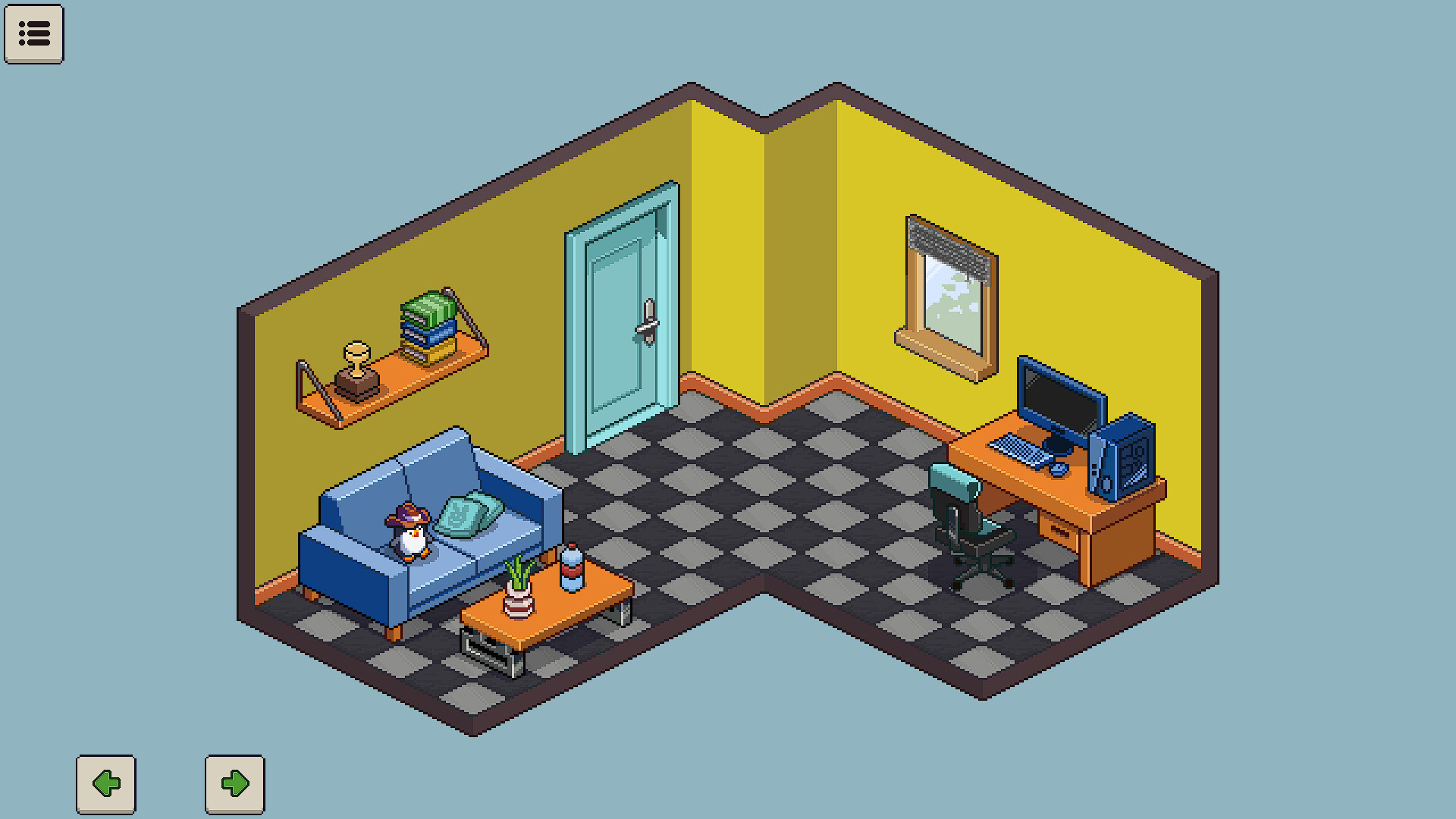
Don’t get me wrong, the opening sections are great. However, once the training wheels fall off and the job trundles on to a slightly more predictable schedule, it begins to lose its rhythm. The objects, too, hold no sentimental value, and the rooms that you organize rarely give you a clearer picture of the client’s best interests. With that, it feels as if you aren’t mulling over a secondhand home with rustic furniture and all sorts of charming nooks and crannies, but a vacant space with no outstanding features whatsoever. You simply unpack one box, and then move on to the next location to, well, do it all over again. Unfortunately, it doesn’t get much better than that.
I almost feel sorry for Unbox the Room, because it is so painfully obvious that it wants to be the next page in the Unpacking anthology. The problem it has is that it tries a little too hard to borrow a lot of the same elements, but ultimately fails to give its own take on the concept. Visually, it’s all rather charming. It’s also a pretty easy game to play, too, with simple drag and drop mechanics that, frankly, anyone could easily come to grips with in a heartbeat. I don’t have an issue with any of that. It’s a budget-friendly alternative that still manages to check a lot of the right boxes. It’s the fact that it doesn’t have an identity of its own that bugs me.
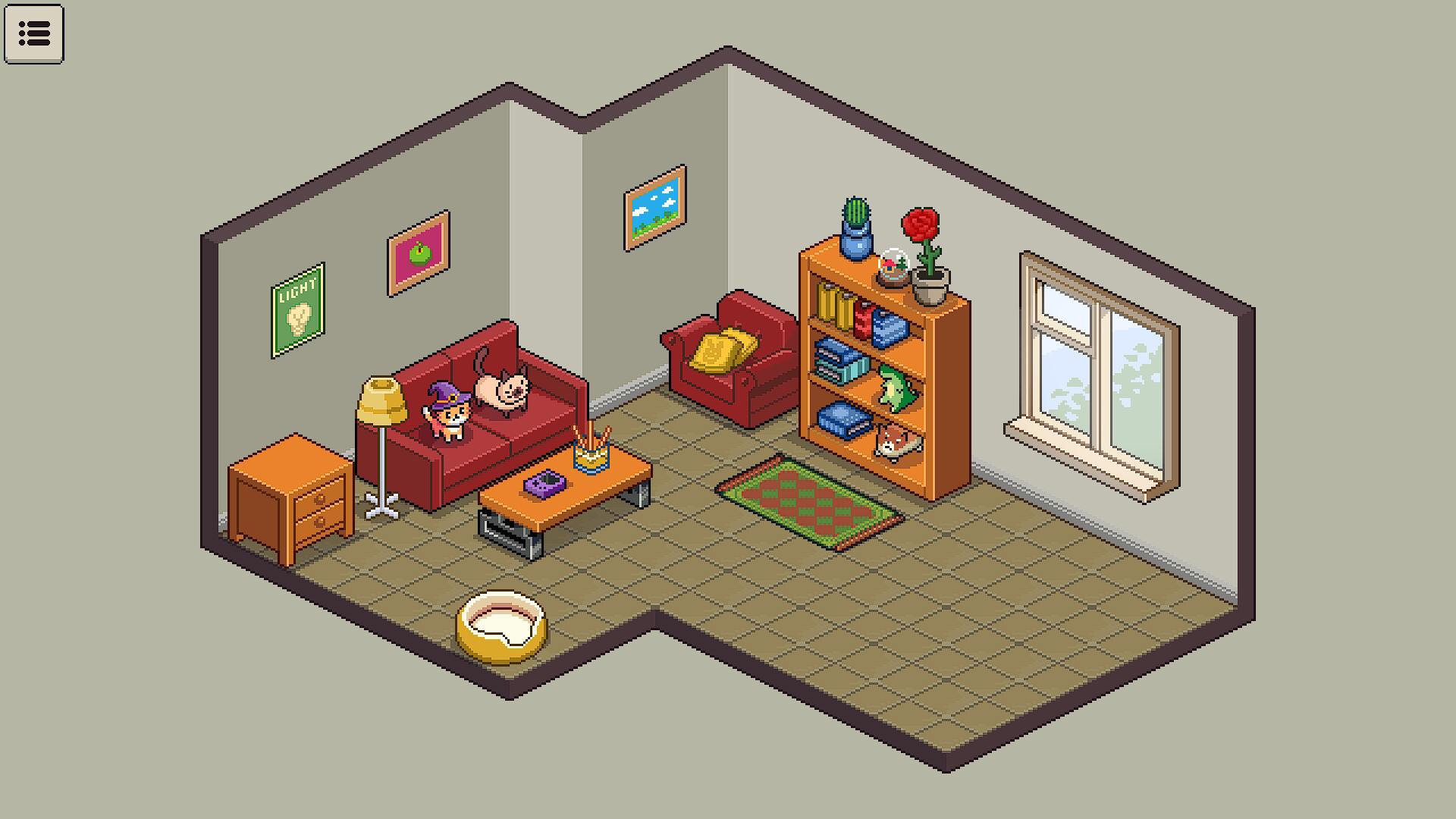
To make matters worse, Unbox the Room isn’t that long of a game. With a lack of chapters and only a small pocket of objects for you to stow away, it’s just a bit of an underwhelming experience. And that’s a shame, as it has the tools to make a good game out of a familiar box of trinkets. It might not be on the same wavelength as Unpacking, but it has a vague idea of what it wants to do and what it needs to achieve. It’s its ability to execute its ambitions in an orderly and meaningful manner that’s the problem.
With all of the above said, Unbox the Room isn’t a bad game. Though, it just isn’t that great, either. As an ode to Unpacking, it serves its purpose as a beginner-friendly alternative that can scratch an itch for an hour or two. But that’s about as much as it gives: a short, somewhat forgettable organizing exercise that, while still visually appealing, lacks the heart and soul of a striking piece of interactive art.
Verdict
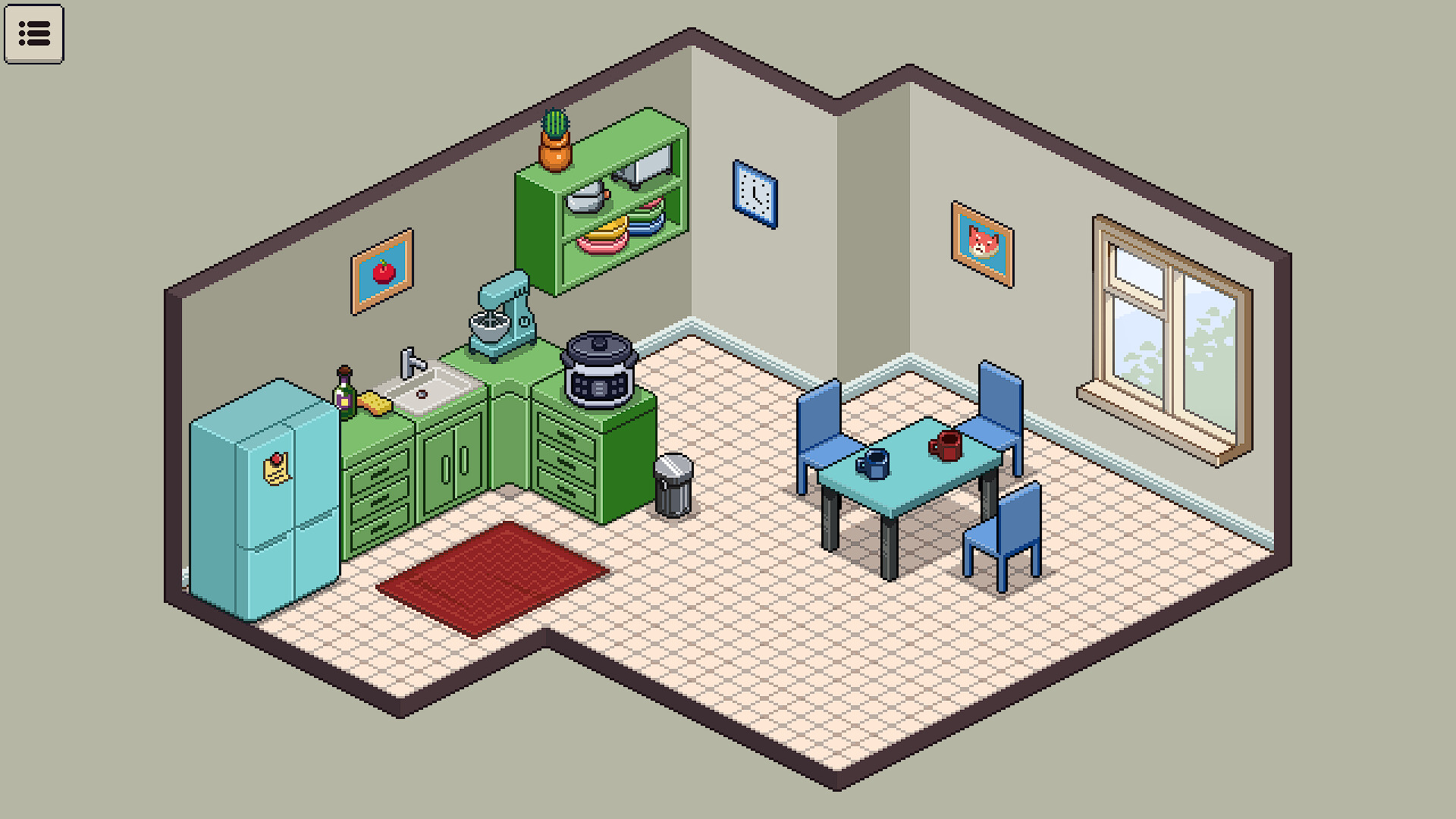
Unbox the Room might bring the visual aspect of a faithful Unpacking experience to the table, but it sadly lacks the one thing that makes an organizing sim all the more compelling: a heart. With little to no personality or defining features, it unfortunately fails to capture a lived-in environment that feels both natural and cozy. The gameplay isn’t all that bad, though the world is all rather dull and uninspiring. And that’s a shame, as there could be a brilliant love letter to Unpacking here.
Unbox the Room レビュー (Xbox Series X|S & PC)
A Room Without a Heart
Unbox the Room might bring the visual aspect of a faithful Unpacking experience to the table, but it sadly lacks the one thing that makes an organizing sim all the more compelling: a heart. With little to no personality or defining features, it unfortunately fails to capture a lived-in environment that feels both natural and cozy. The gameplay isn’t all that bad, though the world is all rather dull and uninspiring. And that’s a shame, as there could be a brilliant love letter to Unpacking here.