新闻

Card Rips and Repack Market: An Emerging, Unusual Online Gambling Niche

将 Gaming.net 添加到您在 Google 上的首选来源

If prediction markets shook America in 2025 and sweepstakes in 2023/24, then what would be the new big hype of 2026? There have been plenty of exciting new game rollouts, company mergers and partnerships leading to more sites, and tech developments to enhance bonus systems, gamified online ecosystems, omnichannel rewards systems, and company pushing for more verticals.

But an interesting “new-ish” idea that more and more sites seem to be chasing steam on is digital collectible cards.

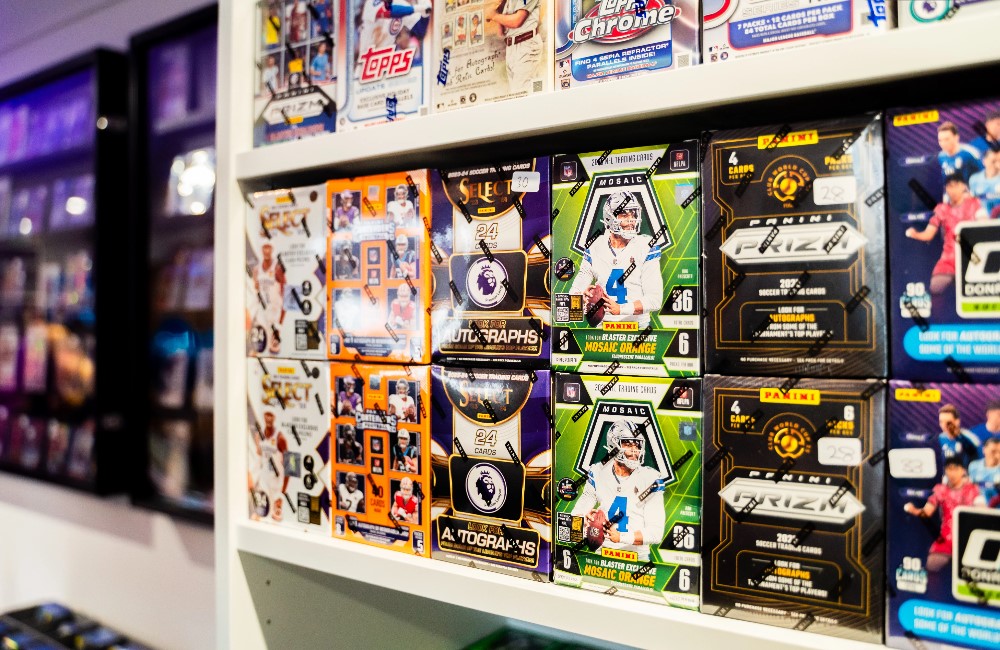
The digital repack market, which also goes by digital repacks, digital card packs and rips, are a simple offering. All that is involved is ripping open online packs to get trading cards, and either selling these back or redeeming them. And there is an actual physical card at the end of the line that can be shipped to your home.

What really catches the eye are bigger players in various online gambling verticals picking up on this product and adding it to their vast ecosystem. From online sweepstakes casinos and daily fantasy sports providers to major sportsbook brands, digital repacks seem to be catchy and versatile.

Broadened Interest in Card Rips

The idea of ripping open digital packs for trading cards is perhaps closer to the world of online casinos, or even the US sweepstakes casinos. It has a whiff of the instant win, fast-paced tempo that you could possibly attribute to slots gameplay. So it doesn’t feel as out of place there, but with sports betting operators it may be a more difficult line to sell.

Well, Underdog and Fanatics don’t seem to think so. Underdog is one of the more recent examples of this trend, having launched the Underdog Rips at the end of August. In Underdog Rips, there are several tiers of card packs that you can buy, and as per what seems to be the standard mechanism, there is a real-life card that you can collect.

Then, you have Fanatics, a much larger company, with betting and gambling verticals, a major sports merch retailer, and many other divisions (including Fanatics Collectibles – which makes cards). Fanatics launched its Instant Rips back in March, debuting with the Odyssey baseball card repack series. And it doesn’t stop there, on April 15, the well-known video game retailer GameStop also rolled out its own card rips service, Power Packs. One of the earliest players in the repack industry was Whatnot, a digital marketplace and livestream shopping platform, which we can call a “dedicated” operator in this niche.

Who Assembles the Packs

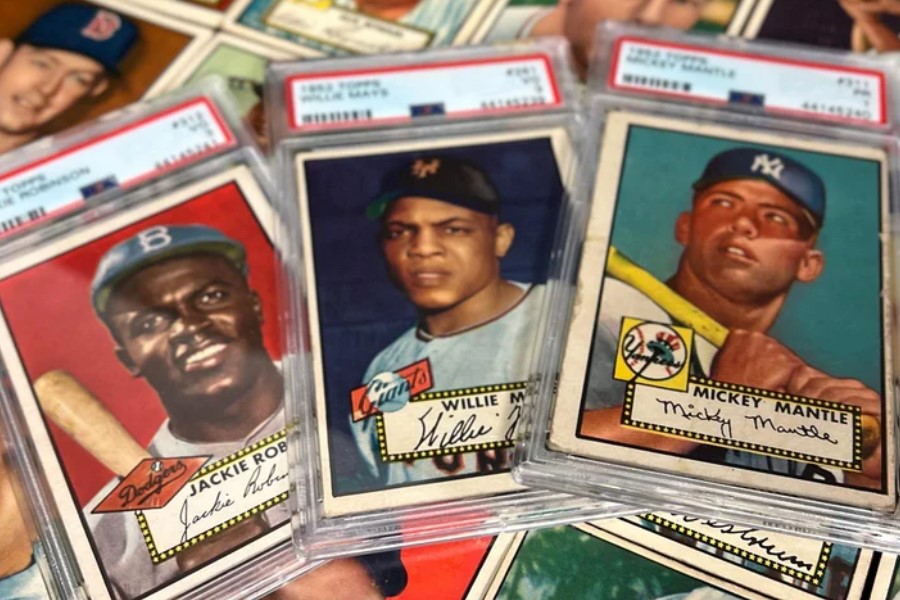
Topps is a brand that has been around since the late 1930s and originally made chewing gum before it moved onto what made it a household name across the US. Baseball cards. This started in 1951, and gradually Topps expanded into other sports, and then to other countries too. It is now owned by Fanatics (under the Fanatics Collectibles division), and is a key player in this digital repacks market. The other big player in the sports trading card world is Panini.

But it doesn’t stop there, beyond sports, you can find packs for:

  • Pokémon
  • Magic: The Gathering
  • Disney Lorcana
  • Yu-Gi-Oh!

The point is, this industry covers lots of different niches, which broadens the spectrum of interest for customers. And there is no shortage of interest across different gambling verticals in America.

How Rips Work

Notice how we asked “who assembles the packs” instead of: who makes the cards? This is precisely because these (for the most part) are not the official Topps or Panini or Pokémon packages that you open. They are “repacks” – that is – physical cards that are stored in a real vault, logged into a digital database, and packed into these digital packs. You buy the pack at Fanatics, or wherever you are buying it from, then “rip it”, and reveal your prize.

Depending on the platform, you can sell, trade, keep or redeem the card. Typically, you either sell it back or redeem it. Selling back is when you trade it with the operator, for the listed value (or just under if there is some kind of commission), or you redeem it by shipping it to your home address. Some sites may have extra features like you can trade it on a marketplace or gamble it in some kind of upgrader tool for a shot at getting a more valuable card.

And already that creates the legal bridge that has lawmakers worried. Because you can theoretically buy a pack for $1, rip it and get a card that is, say, $100, and then sell it back to the vendor. And this draws very real parallels with traditional gambling games like slots or even lottery-style games.

The Legal Debates on Repacks

An article published on the National Law Review earlier this month covered the regulatory scrutiny of the repack industry. Most states classify gambling by considering the following points:

  • Consideration: The cost to play, using real money, a digital currency or anything that has a real money value
  • Chance: How the outcome of the game is determined (RNGs, skill-based, or where both – which is seen as the primary factor)
  • A Prize: The reward that you can get, whether you can pay the money and win nothing (win-or-lose outcome)

Where all three points can be argued, it can give lawmakers a claim to dispute a product. And the issue here is that while rips can be offered as some kind of gamified shopping experience for collectors, there are very real concerns that they can be used as a type of gambling. There has been greater scrutiny about how these sites operate, Whatnot being accused of violating the RICO Act by conducting an illegal gambling scheme.

Comparable Niches

This product is not an entirely new concept, and just going on the mechanics:

  1. Buy a product
  2. Open it
  3. Win a random card
  4. Sell back or redeem

This is not too dissimilar from the California grab bags or, in video gaming circles, the principles of loot boxes.

California Grab Bags

Californian sports trading-card grab bags are perhaps the closest real-world comparison. These are effectively mystery bundles that retailers sold to customers, where the buyer did not know which cards they would receive. Under California Penal Code Section 319.3, certain sports-card grab bags can be treated as lotteries when they contain cards removed from manufacturers’ original packaging and offer customers the chance to receive designated high-value prizes or “chase cards.” There are very similar comparisons here with the digital repack market because the basic mechanic is remarkably similar: pay for a bundle, receive a random selection, and potentially get something worth considerably more than what you paid.

Loot Boxes and Marketplaces

Thinking outside the box here, and going beyond cards, there are also comparisons to be drawn with loot boxes. These also involve paying for a randomised outcome, often using random number generators, with players hoping to receive a particularly valuable item. The difference is that the items in these only have an in-game value, and don’t, traditionally, have any monetary value outside the game.

But, where there are highly popular games and continuous demand, paths can open up. For instance, casino operators that accept Counter-Strike objects as deposits, or online black markets where you can buy or sell game gear and accessories.

Counter-Strike is probably the best-known example of this. Besides those illegal channels, the items can be traded through the Steam Community Market and third-party marketplaces. CS gear can actually fetch very dear prices within these circles, and they are all above board. But maybe not for too much longer.

Valve is now facing a lawsuit from New York’s attorney general alleging that its loot boxes amount to illegal gambling, showing that this space is still highly contested by regulators.

baseball trading cards repack collectibles rips fanatics underdog gamestop new gambling trend

The Versatility of Card Rips At Gambling Sites

The fascinating thing about card rips is their very broad appeal. It hasn’t been just sportsbooks and fantasy betting sites that have picked up on this trend. Several international crypto casinos and even US sweepstakes casinos have picked up on the trend and launched their own repacks. At sweepstakes casinos, where you don’t play for USD but for virtual currencies, you have cash redemptions through the sweeps currencies. Depending on the operator, users may be able to keep, trade, sell or redeem the physical cards, creating a product that sits somewhere between collecting and gaming.

Crypto-based casinos also have a very special take on repacks. Some crypto-native sites already use provably fair mechanics, blockchain technology and staking rewards, and these features could potentially be extended to card-rip products. Where the random number generator mechanism is verifiable, operators could give players another way to check how their card rip outcomes are determined, while cashback or faucet rewards could potentially be integrated with card purchases. All of which lean towards a more dynamic and transparent experience for the player.

But coming back to the repack industry as a whole, it is still not widespread. Licensed US casinos and the other major sportsbooks outside Fanatics have not yet tested the vertical themselves. For now, though, card rips appear to be one of the more unusual gambling-adjacent trends of 2026, and one that could become considerably more interesting if more operators decide to take the plunge.

Daniel自2021年以来一直撰写关于赌场和体育博彩的文章。他热衷于测试新赌场游戏、为体育博彩制定投注策略,并通过详细的电子表格分析赔率和概率——这都是他好奇本性的体现。除此之外,Daniel拥有建筑设计硕士学位,关注英国足球(如今更多是出于仪式感而非享受,作为曼联球迷),并热爱规划他的下一次假期。