O melhor
10 Melhores Jogos de PS1 de Todos os Tempos, Classificados

 Adicione Gaming.net às suas fontes preferidas no Google
Se você cresceu no final dos anos 90, provavelmente passou horas colado a uma televisão CRT com um controle DualShock nas mãos. O PlayStation original da Sony mudou tudo, desde a forma como vivenciamos mundos 3D até a maneira como histórias podiam ser contadas por um console. E, ao olhar para trás, a biblioteca de jogos desse console está repleta de verdadeiros lendários.
Eu compilei aqui uma lista dos melhores jogos de PS1 de todos os tempos, cobrindo dez títulos que acredito representar o auge do que o console tinha a oferecer. Alguns desses você provavelmente já jogou até cansar, e outros podem te surpreender. Então vamos começar, a partir do número 10 e subindo.
10. Gran Turismo
Corridas com carros licenciados e detalhe mecânico obsessivo
Gran Turismo trouxe algo ao PS1 que os fãs de corrida desejavam há anos, e entregou de forma que ninguém esperava. Antes disso, os jogos de corrida nos consoles eram fortemente baseados em velocidade estilo arcade e colisões chamativas. Mas Gran Turismo seguiu por outro caminho, priorizando realismo e física dos carros acima de tudo. Você tinha acesso a uma enorme garagem de veículos licenciados de fabricantes como Nissan, Toyota e Mazda, e admito que apenas percorrer essa lista já era empolgante.
Agora, onde esse jogo se destacou foi ao respeitar os detalhes. Você podia afinar a suspensão do carro, ajustar relações de marcha, trocar peças e realmente sentir a diferença na pista. Foi uma experiência de corrida feita para quem se importava com a forma como um carro se comporta nas curvas, e a sensação de cortar alguns segundos do seu tempo de volta era incomparável. Se você já se perguntou por que a franquia Gran Turismo se tornou sinônimo de simulação de corridas, esta primeira edição é a resposta. Ela definiu a base, e mesmo entre os top 10 jogos de PS1, ainda se mantém firme décadas depois.
9. Tomb Raider
Lara Croft se tornou a primeira ícone global dos games aqui
Lara Croft se tornou um nome familiar quase da noite para o dia, e Tomb Raider é a razão disso. Você explora tumbas antigas e ruínas esquecidas, resolve quebra‑cabeças ambientais, desvia de armadilhas mortais e, ocasionalmente, lida com animais selvagens e mercenários ao longo do caminho. Mas a maior força do jogo sempre foi a exploração. Cada sala parecia um mistério a ser desvendado, e descobrir como todas as peças se conectavam era extremamente gratificante.
É interessante porque o jogo aprofundou mais nos quebra‑cabeças e na plataforma do que na ação pura, o que lhe deu uma identidade própria. Você passava vários minutos avançando cuidadosamente por uma caverna escura, pulando entre saliências, puxando alavancas, e de repente ouvia um rosnado. E o combate, embora desajeitado pelos padrões atuais, acrescentava pressão suficiente para mantê‑lo alerta nesses momentos. Para um título lançado tão cedo na vida do PS1, Tomb Raider provou o que jogos de aventura 3D poderiam ser e garantiu seu lugar em qualquer lista dos melhores jogos de PS1 de todos os tempos.
8. Crash Bandicoot: Warped
A terceira entrada que ofuscou tudo que a precedeu
Warped foi o terceiro jogo da série Crash Bandicoot, e, a essa altura, a série já havia construído uma base fiel com duas entradas sólidas antes dele. Mas este elevou o patamar de forma que pegou todos desprevenidos. O conceito inteiro girava em torno de viagem no tempo, com Crash e sua irmã Coco pulando entre diferentes eras históricas para coletar cristais antes que os vilões os conseguissem.
Admito que a variedade de atividades de um nível ao outro foi a maior força do jogo. Você passava de um clássico platformer em um nível a pilotar uma motocicleta no próximo, depois embarcava em um avião biplano para um duelo aéreo, e então mudava para uma seção subaquática com um scooter a jato. Poderia parecer desconexo ter tanta variedade, mas cada transição de fase era fluida e intencional. Coco também era jogável pela primeira vez, e um modo de contra‑tempo dedicado dava ao jogo grande valor de replay muito depois da campanha principal. Warped vendeu mais de 7 milhões de cópias mundialmente, e eu o consideraria a experiência definitiva de Crash no PS1.
7. Tekken 3
O jogo de luta que convidou todo mundo para o ringue
Tekken 3 tornou os jogos de luta acessíveis a todos, e eu digo todos. Não era preciso memorizar combos de vinte botões para se divertir. Você pegava o controle, apertava alguns botões com personagens como Eddy Gordo ou Hwoarang, e ainda conseguia executar movimentos impressionantes. Mas se você queria profundidade, o jogo oferecia muita técnica escondida nas suas mecânicas.
O que eu destacaria em Tekken 3 é como cada personagem se sentia distinto. O conjunto de movimentos baseado em karatê de Jin Kazama jogava completamente diferente dos agarrões estilo wrestling de King ou dos ataques bizarros e imprevisíveis de Yoshimitsu. E o elenco era tão profundo que você podia passar semanas experimentando e ainda descobrir novos favoritos. Além do modo de luta principal, havia também Tekken Force, um modo beat‑em‑up side‑scroll, e Tekken Ball, um mini‑jogo de vôlei competitivo e hilário. Foi exatamente assim que ganhou seu lugar nesta lista dos melhores jogos de PS1 de todos os tempos.
6. Final Fantasy Tactics
Xadrez com espadas, magia e traições políticas
O nome Final Fantasy já era sinônimo de grandiosas aventuras RPG no PS1 quando Tactics chegou e fez algo totalmente diferente com a fórmula. Ele deslocou a ação para campos de batalha isométricos baseados em grade, onde posicionamento, elevação e ordem de turno determinavam o resultado de cada encontro. Seu esquadrão ocupava um mapa tipo tabuleiro, deslocando‑se por tiles, lançando magias de alcances específicos e direcionando ataques de acordo com a direção, já que acertar um inimigo por trás causava mais dano que um ataque frontal.
O sistema de classes era onde a profundidade realmente vivia. Com mais de 20 classes e cerca de 400 habilidades disponíveis, a personalização era impressionante. Personagens começavam como escudeiros ou alquimistas, depois desbloqueavam cavaleiros, magos negros, monges, ladrões e, eventualmente, classes avançadas como samurais, ninjas e o “calculador”, que podia lançar magias em todo o campo de batalha com base em condições matemáticas. E a história abordava traição política, guerra de classes e corrupção religiosa com uma maturidade que a maioria dos jogadores não esperava. Eu argumentaria que a narrativa está entre as mais ambiciosas que o PS1 já produziu, pois entrelaça famílias nobres em guerra, heróis manipulados e ambiguidade moral a cada passo.
5. Silent Hill
O jogo que provou que horror pode ser psicológico
Silent Hill fez algo notavelmente inteligente com as limitações de hardware do PS1, e acabou definindo toda a experiência. O console não conseguia renderizar longas distâncias de visão, então os desenvolvedores envolveram a cidade em uma densa névoa que obscurecia tudo a poucos metros à frente. E admito, essa névoa se tornou mais assustadora que qualquer monstro na tela, porque seu cérebro preenche as lacunas com algo muito pior que pixels jamais poderiam. Foi um génio acidental, e funcionou melhor do que se esperava.
A história do jogo gira em torno de Harry Mason, um cara comum que ficou preso nessa pequena cidade aparentemente abandonada enquanto procura sua filha desaparecida. Mas quanto mais a trama avança, mais a própria cidade se deforma e se transforma em algo irreconhecível. Ruas familiares se reorganizam, e um rádio portátil chia com estática sempre que o perigo se aproxima. Eu diria que o que separava Silent Hill de tudo no gênero na época era sua ênfase no medo psicológico ao invés de sustos baratos. O design de som sozinho já fazia você pausar e respirar fundo. Percorra qualquer conversa sobre os top 10 jogos de PS1 e você encontrará Silent Hill lá.
4. Resident Evil 2
Horror de sobrevivência em seu ápice absoluto no PS1
O Resident Evil original já havia provado que havia um público massivo para horror de sobrevivência no PS1. E Resident Evil 2 pegou essa base e a ampliou em quase todas as direções imagináveis. O cenário mudou de uma mansão isolada para uma cidade inteira tomada por zumbis, e a Delegacia de Polícia de Raccoon City serviu como hub principal para exploração e resolução de quebra‑cabeças. É um jogo muito maior que seu predecessor, e a qualidade de produção foi um salto perceptível, com fundos pré‑renderizados mais detalhados, dublagem mais completa e sequências mais ambiciosas.
Além disso, a inovação de destaque foi o recurso de “zapping”. Você escolhia jogar como Leon Kennedy ou Claire Redfield, e após concluir a campanha com um personagem, podia iniciar um segundo cenário com o outro. Além disso, as escolhas feitas na primeira partida influenciavam o que estava disponível na segunda. Se Leon pegasse a submetralhadora no porão, por exemplo, ela não estaria lá quando você jogasse como Claire. E o segundo cenário introduziu novas ameaças como o Sr. X, uma figura implacável que persegue você pela delegacia, além de chefes diferentes e revelações na história. Eu colocaria a estrutura de duplo‑cenário de Resident Evil 2 contra qualquer outra nos top 10 jogos de PS1 de todos os tempos.
3. Castlevania: Symphony of the Night
O side‑scroller que redefiniu o que o gênero poderia ser
Castlevania foi, durante mais de uma década, uma série linear de ação‑plataforma antes que Symphony of the Night mudasse totalmente a direção. Ele abandonou a estrutura de estágio por estágio e a substituiu por um castelo massivo e interconectado que você podia explorar livremente, desbloqueando áreas conforme adquiria habilidades. Você encontrava um duplo salto, e de repente plataformas antes inalcançáveis se tornavam acessíveis. Ganhava a habilidade de se transformar em morcego, e seções verticais inteiras do castelo se abriam. O mapa inteiro era um quebra‑cabeça, e preencher cada porcentagem dele se tornava viciante.
E então veio a reviravolta que tornou o jogo lendário. Quando você chegava ao que parecia ser o encontro final com o chefe, o castelo se virava de cabeça para baixo, revelando uma versão invertida totalmente nova, com inimigos remixados, novos itens e chefes adicionais. O contador de mapa, que acompanhava sua exploração em 100 %, de repente recalculava mostrando que 100 % era apenas metade do jogo. A meta de conclusão total era 200,6 %. Symphony of the Night acabou definindo o subgênero “Metroidvania”, e sua influência no design de jogos tem sido enorme.
2. Final Fantasy VII
O JRPG que trouxe todo um gênero para o Ocidente
Final Fantasy VII mudou totalmente o cenário dos games quando chegou ao PS1, e não acho que a indústria tenha sido a mesma desde então. JRPGs já existiam antes, é claro, com títulos como Dragon Quest e Final Fantasy VI construindo bases de fãs dedicadas no Japão. Mas no Ocidente, o gênero ainda era nicho. A maioria das pessoas nunca tinha tocado em um RPG por turnos, e a Sony sabia disso. Então eles impulsionaram Final Fantasy VII com um enorme esforço de marketing, e funcionou. Milhões de jogadores, antes acostumados a plataformas e corridas, de repente se viram imersos na história de Cloud Strife. E que história foi essa.
Cloud começa como um mercenário contratado por um grupo de resistência ecológica chamado AVALANCHE, que luta contra a megacorporação Shinra, que drena a energia do planeta para obter lucro. Na superfície, tudo parece super‑direto: um grupo improvisado contra um vilão corporativo. Mas a trama se expande para algo muito maior. E então há Sephiroth, um ex‑herói de guerra transformado em vilão com ambições divinas, que eu diria ser o antagonista mais icônico da história dos games. Sua presença pairava sobre toda a jornada, e uma cena específica envolvendo Aerith tornou‑se um dos momentos mais comentados de todos os tempos. Lembro‑me de como essa cena impactou os jogadores na época, e ainda hoje tem o mesmo peso. A versão PS1 sozinha vendeu mais de 10 milhões de cópias, e é difícil montar um ranking dos top 10 jogos de PlayStation 1 sem colocá‑la bem no topo.
1. Metal Gear Solid
O jogo que provou que consoles podiam oferecer narrativas cinematográficas
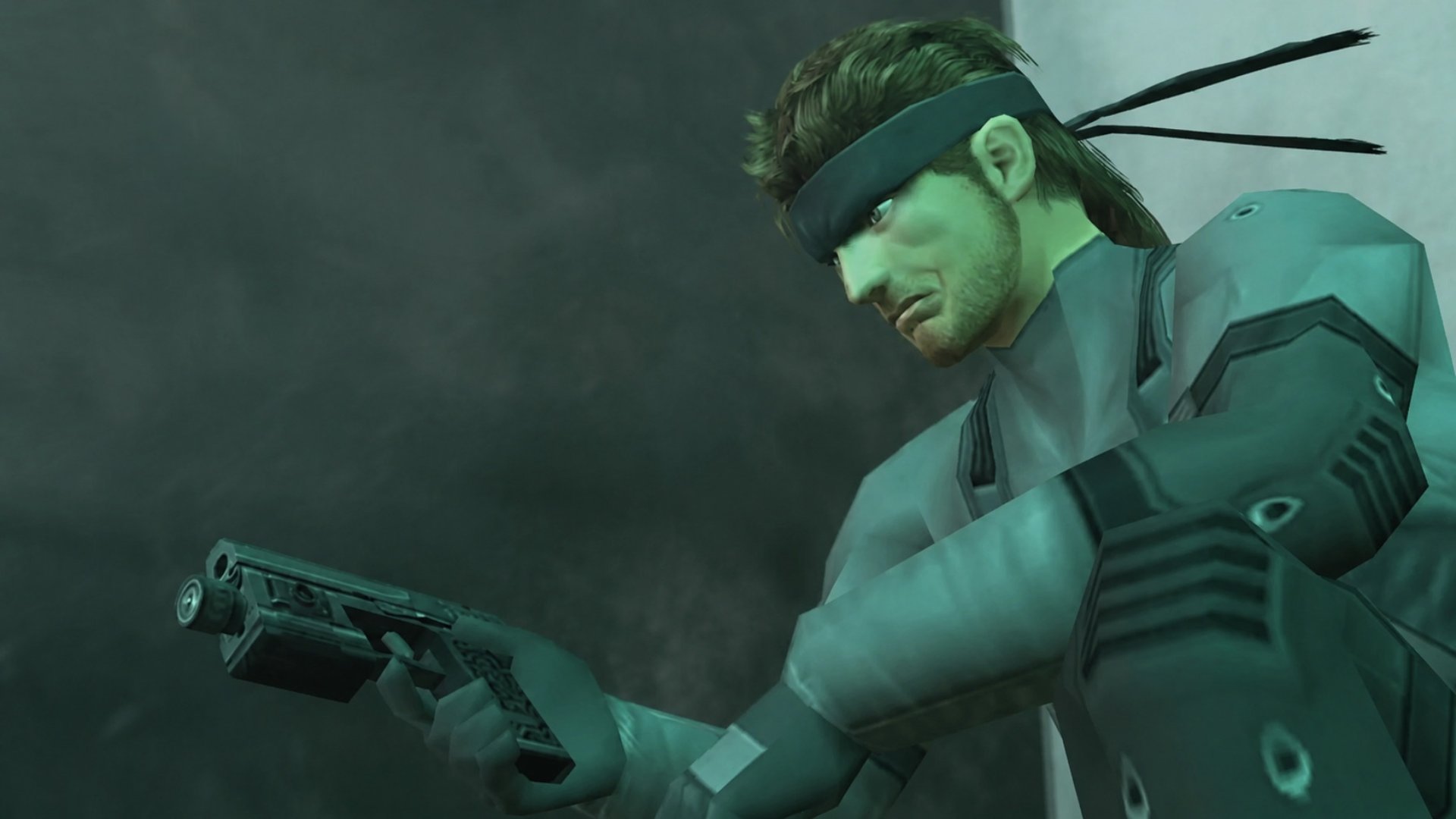
Metal Gear Solid chegou ao PS1 em 1998, e não acho que nenhum jogo daquela era tenha igualado o que Hideo Kojima entregou aqui. Aqui, Solid Snake, um ex‑soldado de operações especiais, precisava infiltrar uma instalação nuclear no Alasca que fora tomada por forças militares renegadas. Mas a forma como Kojima contou essa história foi outra coisa totalmente distinta. Ele a dirigiu como um filme, com dublagem completa, ângulos de câmera cinematográficos e um roteiro que abordava dissuasão nuclear, destino genético e o custo da guerra. Tudo isso em um console que a maioria das pessoas usava para plataformas e corridas.
Agora, a jogabilidade furtiva era tão pensada quanto a narrativa. Você estudava rotas de patrulha, usava distrações, rastejava por dutos de ventilação e, sim, se escondia sob uma caixa de papel‑ão para evitar detecção. Mas os chefões são o que cravaram esse jogo na memória de todos. Psycho Mantis, por exemplo, escaneava seu cartão de memória PS1 e citava outros jogos que você estava jogando. Ele até fazia seu controle vibrar no chão para “provar” suas habilidades psíquicas, e a forma de derrotá‑lo era desconectar fisicamente seu controle e movê‑lo para a segunda porta. Nenhum jogo havia feito isso antes. Kojima rompeu a barreira entre você e a tela de um jeito inovador, e ainda hoje é impressionante falar sobre isso. Então, sim, Metal Gear Solid merece o topo desta lista dos melhores jogos de PS1 de todos os tempos, e o tempo não mudou isso.
Perguntas Frequentes
Ainda é possível jogar esses jogos de PS1 em hardware moderno?
Sim, e você tem várias opções. Metal Gear Solid, Final Fantasy VII e Resident Evil 2 estão todos disponíveis em plataformas modernas por meio de relançamentos oficiais e coleções. Além disso, Castlevania: Symphony of the Night e Tekken 3 também receberam ports ao longo dos anos. Então, se você não tem um console PS1 original, ainda pode experimentar a maior parte desta lista sem muita dificuldade.
Qual jogo desta lista dos melhores jogos de PS1 de todos os tempos é o mais fácil de começar para um recém‑chegado ao retro?
Eu escolheria Crash Bandicoot: Warped porque os níveis são curtos, os controles são precisos e você não precisa de nenhum conhecimento prévio para mergulhar. Tekken 3 é outra boa porta de entrada, especialmente se você tiver um amigo para jogar, já que o combate básico é intuitivo o suficiente para se divertir sem memorizar listas de movimentos. Contudo, se você quiser algo com uma história mais profunda, Final Fantasy VII introduz você de forma confortável.
Os gráficos do PS1 parecem muito ultrapassados para serem apreciados em 2026?
Admito que os polígonos em bloco e as texturas de baixa resolução podem ser chocantes à primeira vista se você está acostumado com visuais modernos. Mas a verdade é que seus olhos se ajustam mais rápido do que se imagina. E certos jogos desta lista, como Castlevania: Symphony of the Night com sua arte 2D desenhada à mão ou Final Fantasy Tactics com seu trabalho detalhado de sprites, envelheceram lindamente porque não estavam buscando o realismo 3D. Assim, o estilo visual importa mais do que a potência bruta gráfica.
Quantas horas seriam necessárias para terminar esses jogos de PS1?
Depende do jogo, claro. Metal Gear Solid e Resident Evil 2 podem ser concluídos em torno de 8 a 12 horas em uma primeira partida, enquanto Crash Bandicoot: Warped fica em faixa semelhante se você buscar a conclusão total. Agora, Final Fantasy VII e Final Fantasy Tactics são outra história totalmente diferente, podendo facilmente consumir de 50 a 80 horas se você explorar tudo. E Gran Turismo pode levar centenas de horas se a obsessão por colecionar carros te pegar.
Os jogos de PS1 eram mais difíceis do que os jogos que jogamos hoje?
Em muitos aspectos, sim. Jogos de PS1 raramente possuíam salvamento automático, então se você esquecia de salvar manualmente e a energia acabava, perdia horas de progresso. Silent Hill e Resident Evil 2 também limitavam muito seus recursos, o que tornava cada encontro de alto risco. Contudo, recursos modernos de qualidade de vida, como tutoriais, marcadores de caminho e opções de dificuldade ajustáveis, não eram comuns na época. Portanto, a dificuldade vinha mais da filosofia de design em si do que apenas dos inimigos na tela.
Qual jogo de PS1 deste ranking tem a história mais memorável?
Eu daria esse título a Final Fantasy VII e Metal Gear Solid, e é difícil separar os dois. Final Fantasy VII narra uma jornada épica e emocional com reviravoltas que ainda são discutidas décadas depois, enquanto Metal Gear Solid entrega uma narrativa mais focada e cinematográfica sobre guerra, identidade e sacrifício. Mas se você quiser algo um pouco mais fundamentado e político, Final Fantasy Tactics tem uma trama com traições e guerras de classes que passa despercebida para muitas pessoas.
Por que Metal Gear Solid ficou em posição superior ao Final Fantasy VII?
Ambos são lendários, e admito que foi uma decisão apertada. Mas Metal Gear Solid conquistou o primeiro lugar porque expandiu muito os limites do que um jogo de PS1 poderia fazer. As quebras da quarta parede, a direção cinematográfica, as lutas contra chefes que brincavam com o hardware real do seu console, tudo isso parecia algo que ninguém jamais havia tentado antes. Final Fantasy VII é uma obra‑prima por mérito próprio, mas Metal Gear Solid pareceu uma reinvenção completa do meio.
É melhor jogar esses jogos no hardware original de PS1 ou em versões remasterizadas?
Depende do que você mais valoriza. O hardware original oferece a experiência autêntica, completa com cartões de memória, visual CRT e a forma como esses jogos foram originalmente concebidos para serem jogados. Contudo, remasters e relançamentos frequentemente incluem melhorias de qualidade de vida, como tempos de carregamento mais rápidos, recursos de salvamento atualizados e, às vezes, gráficos aprimorados. Eu recomendaria o hardware original se você for colecionador ou purista, mas para a maioria, as versões modernas são a opção muito mais prática.