Intervjui
DankHearts’ MYU Talks Type-NOISE: Shonen Shojo – Intervju serija

 Dodajte Gaming.net među svoje preferirane izvore na Google
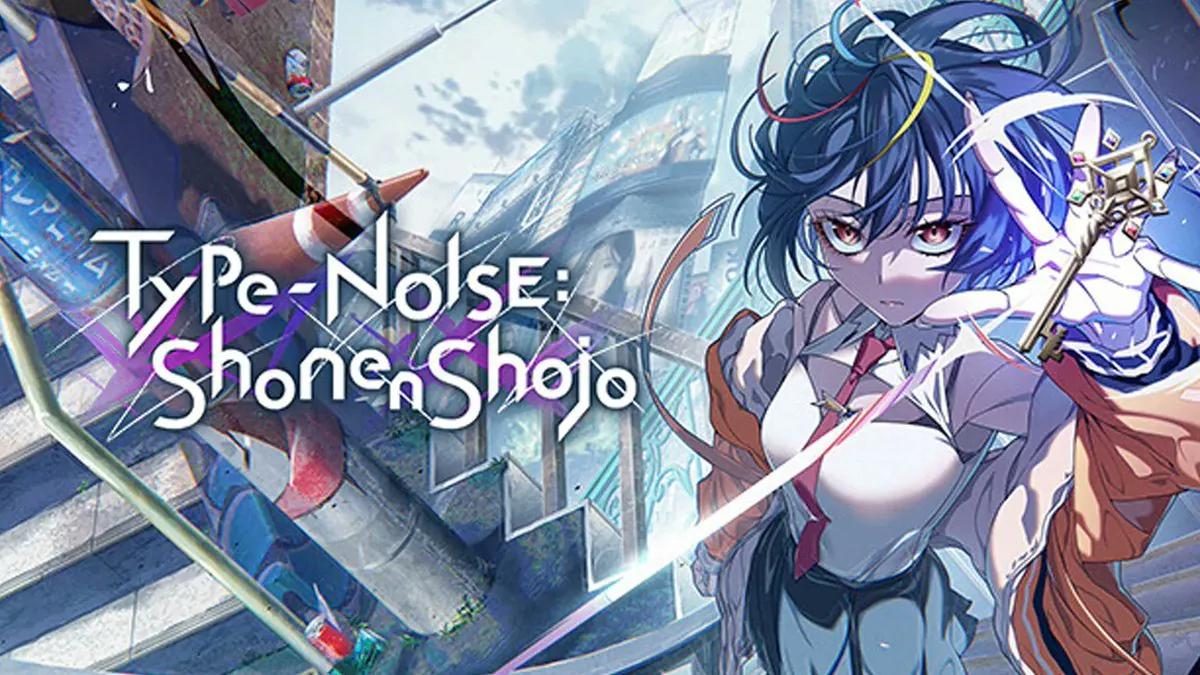
Japan-based developer MYU of DankHearts je formalno objavio planove za donošenje Type-NOISE: Shonen Shojo, 2D point-and-click puzzlera s dubokim vezama za traumatične memoare i kulturne utjecaje, na PC. Prema tvornici, igra će donijeti veliki izbor razmišljanja i jedinstvenog “mentalnih zatvora koji spaja stvarnost i emocionalnu dubinu.”
U pokušaju da saznamo više o Type-NOISE: Shonen Shojo pred njegovim globalnim debijem, odlučio sam se obratiti MYU-u, koji je bio toliko ljubazan da podijeli neke informacije o trenutnom stanju igre.
Type-NOISE: Shonen Shojo je na horizontu, i super smo uzbuđeni da vidimo više njegovih labirintnih značajki kako se približava njegovom službenom debiju. Govoreći o tome, želite li nam predstaviti igru našoj publici? Što je Type-NOISE, ukratko?
To je “trauma-resolving mystery adventure” koji opisuje bijeg šestorice djevojaka i dječaka koji su preneseni u Noise Scramble City, grad koji je sličan i različan od Tokija.
Igra je primarno 2D point-and-click istraživanje i rješavanje slagalica.
Tema igre je “trauma”, s vlastitom traumom za svaki lik. Ove traume se manifestiraju kao misterije unutar igre, omogućavajući igračima da uživaju u potpuno drugim slagalicama za svaki lik. Postoji vrlo malo slagalica koje se osjećaju slično.
Središte igre leži u napredovanju kroz istraživanje, sjećanje prošlih trauma i korištenje naznaka iz tih sjećanja za rješavanje slagalica.
Recite nam više o ovom “mentalnom zatvoru” vašem – Noise Scramble City. Iz koje dijela svijeta potječe ova Tokyo-ška snovna zemlja?
Živim u Japanu, pa sam želio stvoriti igru koja koristi japanski krajolik. Razlog za japanske pejzaže je što su dječaci i djevojke u priči živjeli tamo, stvorili uspomene tamo i doživjeli svoje traume tamo.
Želio sam prenijeti promjenu i emocije poznatog, svakodnevnog krajolika koji se transformira u zatvor kroz ekran. Da bi to postigao, osjećao sam da je bitno imati jedinstvene vizuale koje će se istaknuti.
Da bi igrači odmah prepoznali igru, trebao sam nešto snažno i inspirativno.
Ta inspiracija je došla iz iskustva iz djetinjstva.
Moj otac je bio strogi i surov čovjek. Kada sam imao oko 10 godina, vodio me je u umjetničke muzeje i galerije. Nakon toga, prisiljavao me je da pišem eseje o onome što sam vidio i mislio. Mrzio sam to. U subote, misao na odlazak postala je nešto čega sam se bojao. Ako nisam mogao napisati dobar esej, moj otac bi me vikao. Još uvijek se sjećam kako sam plakao dok sam pisao te eseje. Bilo je, u nekom smislu, vrsta traumatskog iskustva.
Međutim, pogledajući nazad sada, ono što sam vidio u tim muzejima i galerijama bilo je izuzetno vrijedno i novo iskustvo.
Video sam djela različitih umjetnika kao što su Picasso, Van Gogh, da Vinci, Botticelli, Vermeer i mnogi drugi. Iako su to bile replike a ne originali, za nekoga poput mene koji je odrastao s animeom i mangom, to je bilo šokantno. Do tada, nije znala ništa o apstraktnoj ili impresionističkoj umjetnosti.
Ono što me je najviše impresioniralo bilo je djelo Salvadora Dalíja. Njegov stil se oslobodio konvencionalnih ideja, spajajući stvarni svijet s “svijetom percepcije”. Inspiriran Dalíjevom djelom, stvorio sam dizajn za pozadine zatvora u Type-NOISE.
Kombinirajući elemente dječaka i djevojaka s elementima svakodnevnog života, stvorio sam jedinstveni dizajn zatvora koji spaja stvarnost i emocionalnu dubinu.
A sada imamo naših šest tinejdžerskih protagonista. Želite li nam reći što su njihove uloge u ovoj unutrašnjoj drami? Tko su oni, i što zapravo pokušavaju postići?
Iako ne mogu otkriti previše da ne bih otkrio previše, dječaci i djevojke su došli u Noise Scramble City da zaborave svoje traume. Iako moraju se sjećati tih uspomena da bi napredovali u igri, njihove loše uspomene su originalno izbrisane.
Glavni lik, Zena, ima amneziju, ali je odlučna da pobjegne iz grada da bi pomogla svojoj samohranoj majci.
Itsuki je dječak koji je stalno iritiran i čini se da je ljut na nešto.
Honoka je šarena srednjoškolka koja nosi narančastu kosačku i prilagodila je uniformu da odgovara njenom stilu.
Kaito ima fantastičnu kosu i pribor da sakrije velik rođeni znak na lijevoj strani lica. Unatoč svojem šarenom izgledu, on je stidljiv i borba s društvenim interakcijama.
Hiyori je djevojka koja se čini popularnom stvarateljicom sadržaja, ali često laže, nehotice, da bi privukla pažnju ljudi.
Soto se probudi na istom mjestu kao i Zena i brine se za nju, pružajući joj podršku. On je korisni dječak koji ne može ignorirati druge u nevolji.
Spectre je nadzornik ovog grada. Pokušava uvjeriti Zenu i ostale da ne odu.
Ovi likovi su svi živopisno jedinstveni, ali to je zato što su inspirirani emocijama koje je svatko iskusio.
U Japanu postoji koncept zvan bonnō (svjetske želje), koji je budistički termin koji znači “mentalne aktivnosti koje uznemiravaju i muče tijelo i um.” To je ideja da nas ne muče drugi, već naše vlastite želje i vezanosti. Među njima, šest glavnih želja čine temelj:
貪 Tonn (Želja): Želja za posjedovanjem svega.
瞋 Jin (Ljutnja): Površna sklonost ljutiti se zbog svojeg egoizma.
癡 Chi (Glupost): Žalbe i jadikovanje nad stvarima koje ne idu onako kako bi trebalo.
慢 Man (Arogancija): Srce ispunjeno ponosom i samouvjerenošću.
疑 Gi (Sumnja): Sumnja u istinu.
悪見 Akken (Izobličeni pogledi): Pesimistički pogled na stvari.
Svatko je iskusio ove osjećaje negdje. Ove emocije postale su temelj za dizajn likova i njihovih trauma.
Zašto je dječak ovdje? Gdje je ovo mjesto? Zašto su se njihove traume manifestirale kao zatvori? Na čemu se temelje ove traume prema umu koji svatko ima? Igrajte igru da biste otkrili sami odgovore.
We would love to hear more about the art style. Would you mind walking us through the early stages of its development? What inspired this look, in particular?
Since I talked about the background of the prison earlier, I’d now like to talk about the character design. Initially, this project started as a music video (MV). A video that combines anime-style visuals with music. However, I realized it would be difficult to convey the theme and story effectively, especially since I had no experience in that area. That’s why I decided to shift to creating a game, something I had experience with.
As a result, this work incorporates cel animation throughout, utilizing the skills and techniques I developed while working on music videos.
I think the character art reflects inspiration from game titles that influenced me, such as Danganronpa and the Persona series. Since I’m not so good at creating complex or decorative designs, I aimed for simplicity while ensuring the characters remained appealing. It took me around six months to a year to develop the designs.
The concept began with the idea that it would be interesting to create an escape game similar to Danganronpa with characters from a psychedelic world like Persona. You could say this project is simply a collection of things that I love.
https://Twitter.com/myu060309/status/1794308410286264756
So, what sorts of internal conundrums are we looking to solve in this alternate reality? You’ve mentioned things like “story-rich puzzles” and a “maze-like” metropolis. Care to shed some light on these obstacles and how they will influence the storyline?
That’s an interesting question. For example, in the demo, the character Hiyori is an online streamer who constantly lies to her viewers. From an outside perspective, this behavior might seem embarrassing—something people wouldn’t want anyone else to know. However, Honoka and Soto who were with her, come to understand her past as if it were their own experience. This is one of the strange phenomena that occur in Noise Scramble City.
I believe that understanding another person’s pain is essential to overcoming trauma.
As the boys and girls work together to escape, they share and empathize other’s pain. But is simply recalling a trauma enough to overcome it? While not included in the demo, each character’s story culminates with them confronting the source of their trauma—a person tied to their pain who appears before them. Having learned to understand the pain of others, the characters will face this individual, engaging in a dialogue that is critical to resolving their trauma.
The only way to escape is for the characters to influence one another through their trauma. I hope players will experience the flow and development of this story through the game.
Would it be possible to grab a few pointers from you whilst you’re still here with us today? Do you have any words of advice for those who might be looking to pick up a copy of the game and/or demo?
The puzzles in this game are based on the characters’ traumatic experiences, serving as hints to progress. It might be more challenging compared to other games. If you think of it as being similar to real-life escape rooms, that might be a better picture.
If you find yourself stuck, try revisiting the noise—you might gain new inspiration.
Additionally, I hope players will enjoy the visuals of the prisons and the cel animation art in this game!
Suffice it to say that we are thrilled to see a fresh demo for the game. What we would like to know, however, is whether or not we will be seeing more of it before year’s end. Any chance of another update ahead of the forthcoming season?
As for whether there will be updates within the year, that’s a very exciting question. Currently, there is a demo campaign, where anyone who completes the demo game can send their opinions and feedback through a special form. Participants in this campaign will have their names included in the end credits of the full version which I think is pretty unique.
There are already over 150 submissions, and I’m both surprised and thrilled by the enthusiasm. The deadline for this demo campaign is December 19th. Therefore, by the end of the year, I plan to announce via Steam News how we will address the feedback, suggestions, and areas for improvement we’ve received.
My goal is to make the game easier to play and more enjoyable, and I will continue to refine it accordingly. While updates to the demo are planned, they may come after the start of next year. Please stay tuned for further updates!
Would you mind providing us with a few useful links for the game? Any social channels, newsletters, or upcoming events that you would like to share with our readers, perhaps?
A demo of the game is available. I would be really happy if the player leave a review!
I will also be very happy if you wishlist the game! Wishlisting is a direct support you can do for the game and developers, so please! Push that button! I will do my best in developing the game!
Is there anything else that you would like to add to the page before we wrap things up here?
This game uses a classic point-and-click system and does not have a particularly surprising gameplay feature. However, its unique process of turning characters’ traumas into prisons, recalling their past traumas, and using that information to solve puzzles sets it apart.
The story isn’t just a reward for solving puzzles; instead, it’s intricately designed as part of the mystery itself. Players need to carefully read and understand the narrative to progress. This integration of story and puzzle design is what makes Type-NOISE: Shonen Shojo stand out and serves as its main selling point.
The game offers around 40 different puzzles, so I think players won’t get bored as they progress. The catharsis of connecting the dots from puzzles to the “Noise” and seeing your predictions confirmed is an experience only possible because of the deep connection between the puzzles and the story.
We hope you’re looking forward to the full release!
Thank you so much for your time!
Možete pronaći više informacija o MYU-ovom Type-NOISE: Shonen Shojo na X.