Licenças
Nova Jersey apresenta petição à Suprema Corte sobre apostas esportivas em mercados de previsão

 Adicione Gaming.net às suas fontes preferidas no Google
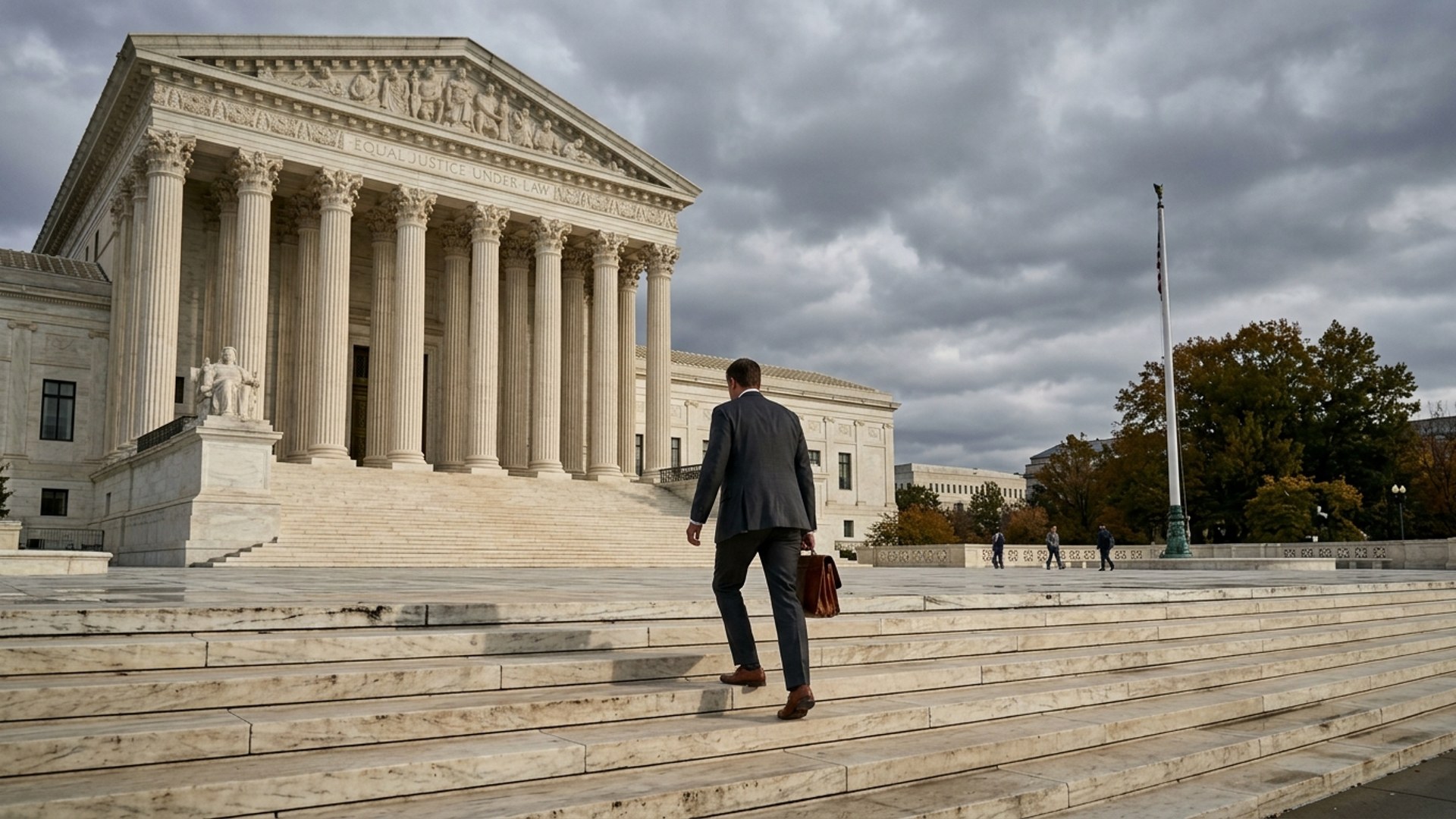
A Procuradora‑Geral de Nova Jersey, Jennifer Davenport, apresentou uma petição em 2 de setembro de 2026, pedindo ao Supremo Tribunal dos EUA que decida se os mercados de previsão podem oferecer apostas esportivas sem seguir as leis estaduais de jogos de azar esportivos. O Escritório da Procuradora‑Geral disse que se trata da primeira petição de certiorari apresentada ao Tribunal sobre a legalidade de um modelo de negócios em que a Kalshi autocertifica apostas esportivas junto à Commodity Futures Trading Commission e as oferece sem cumprir as leis estaduais.
Segundo o escritório, a litigação sobre a questão explodiu em pelo menos 20 estados, com dezenas de processos ativos pendentes e as leis de jogos de azar de vários estados atualmente suspensas por tribunais federais.
“Empresas como a Kalshi afirmam oferecer apostas esportivas legais em todos os 50 estados, mas se recusam a seguir as leis de jogos de azar de qualquer estado”, disse Davenport. “Estamos pedindo ao Supremo Tribunal que resolva essa questão e reconheça que o Congresso não tornou a indústria de apostas esportivas imune às leis estaduais de forma silenciosa.”
A diretora interina da Divisão de Fiscalização de Jogos, Mary Jo Flaherty, afirmou que a Kalshi se promove como oferecendo apostas esportivas legais em todos os 50 estados, inclusive apostas em jogos da NCAA realizados em Nova Jersey e envolvendo equipes de Nova Jersey, o que ela descreveu como proibido pela constituição estadual. A constituição de Nova Jersey proíbe jogos de azar, exceto nas exceções aprovadas pelos eleitores.
Da carta de cessar e desistir a um Terceiro Circuito dividido
A Kalshi opera um mercado onde os usuários compram e vendem “contratos de evento” que pagam com base na ocorrência de um evento futuro, e começou a oferecer apostas esportivas em sua bolsa em janeiro de 2025, de acordo com a petição de certiorari do estado. A Divisão de Fiscalização de Jogos enviou à Kalshi uma carta de cessar e desistir em 2025, advertindo que as apostas violavam a Lei de Apostas Esportivas de Nova Jersey, que permite apenas entidades licenciadas oferecer apostas esportivas no estado, e que a Kalshi estava aceitando apostas de residentes de Nova Jersey em eventos esportivos universitários em violação da constituição estadual.
Kalshi processou em 29 de março de 2025, argumentando que o Commodity Exchange Act, conforme emendado pela Lei de Reforma de Wall Street e Proteção ao Consumidor de 2010 (Dodd‑Frank), prevalece sobre as leis estaduais de apostas esportivas porque suas apostas são swaps sujeitos à jurisdição exclusiva da CFTC. Um tribunal federal concedeu à Kalshi uma liminar preliminar em 28 de abril de 2025. Um painel dividido do Terceiro Circuito confirmou a decisão em 6 de abril de 2026, votando 2‑1 que as leis de apostas esportivas de Nova Jersey são preemptas quando aplicadas às apostas esportivas. O juiz Roth discordou, argumentando que as leis de apostas esportivas de Nova Jersey não são preemptas pela lei.
A petição pede ao Tribunal que resolva uma única questão: se a Lei Dodd‑Frank de 2010 impede os estados de regulamentar apostas esportivas dentro de suas jurisdições quando essas apostas são oferecidas em mercados registrados na CFTC.
Uma divisão com o Nono Circuito
Em 28 de agosto de 2026, o Nono Circuito discordou explicitamente do Terceiro Circuito, concluindo que as apostas nos resultados de eventos esportivos não se enquadram na jurisdição exclusiva da CFTC. “O Congresso não usou um martelo de demolição contra todas as regulamentações de jogos esportivos construídas ao longo de décadas pelos governos federal, estadual e tribal”, escreveu o Nono Circuito sobre a lei de reforma de Wall Street de 2010.
Nova Jersey co‑liderou um amicus curiae nesse caso, acompanhado por 39 outras jurisdições, e o Nono Circuito citou o memorando ao concluir que é improvável que o Congresso pretendesse permitir que a CFTC participasse da regulamentação nacional dos jogos de azar com base em definições amplas em uma lei de reforma de Wall Street.
A petição descreve uma divisão mais ampla nos tribunais inferiores: pelo menos 39 processos em 20 estados, e mais de 20 decisões que, segundo a petição, dividiram 18‑4, com a grande maioria rejeitando a abordagem do Terceiro Circuito. Em uma ordem de 24 de abril de 2026, o Sexto Circuito afirmou não estar convencido, com base nos documentos preliminares, de que a preempção se aplica. A petição também observa que 44 estados, centenas de tribos e cassinos se opuseram à posição litigiosa dos mercados de previsão, e que a CFTC declarou não ser um regulador de jogos e carecer de expertise especializada para supervisionar o setor de jogos.
Consequências econômicas e jurídicas
A petição e o escritório da procuradora‑geral apontam para a dimensão da indústria em questão. As apostas esportivas geraram US$ 16,89 bilhões em receita para os estados em todo o país em 2025, excluindo as casas de apostas em cassinos tribais, segundo dados da American Gaming Association citados na petição. A petição, citando o parecer do Nono Circuito, afirma que 95 % da receita da Kalshi em 2025 provinha de apostas esportivas.
Nova Jersey também argumenta que uma decisão favorável à Kalshi teria alcance além dos mercados de previsão. Como a lei federal proíbe a negociação de swaps fora de mercados registrados na CFTC, o escritório da procuradora‑geral afirmou que uma vitória da Kalshi tornaria aparentemente ilegais as apostas esportivas em casas de apostas tradicionais, incluindo cassinos físicos em Atlantic City, Las Vegas e em terras tribais, mesmo onde a lei estadual as permite.
A petição fundamenta o caso do estado em sua própria história regulatória. Eleitores de Nova Jersey aprovaram jogos de azar em Atlantic City em 1976 e apostas esportivas em 2011, e após a decisão de 2018 da Suprema Corte no caso Murphy v. NCAA, que invalidou a lei federal que impedia a maioria dos estados de autorizar apostas esportivas, Nova Jersey promulgou sua Lei de Apostas Esportivas. Essa lei exige que os apostadores tenham pelo menos 21 anos, impede atletas, treinadores, árbitros, diretores e proprietários de fazer apostas esportivas, proíbe apostas em eventos esportivos universitários em Nova Jersey ou envolvendo equipes universitárias de Nova Jersey, e destina parte da taxa estadual a programas de prevenção, educação e tratamento para jogos compulsivos.
O juiz Samuel Alito estendeu duas vezes o prazo do estado para apresentar a petição, mais recentemente até 3 de setembro de 2026. A petição foi apresentada pelo Procurador‑Geral‑Adjunto Jeremy Feigenbaum, pelo Procurador‑Geral‑Adjunto Stephen Ehrlich e pela Assistente Especial Liza Fleming, com o apoio das Procuradoras‑Gerais‑Adjuntas Emily Bisnauth, Patrick Jhoo e Vivek Mehta. Ela solicita ao Tribunal que conceda revisão e reverta a decisão do Terceiro Circuito.