Notícias
6 Best Gears of War Games, Ranked — Revision for Post 168886

 Adicione Gaming.net às suas fontes preferidas no Google
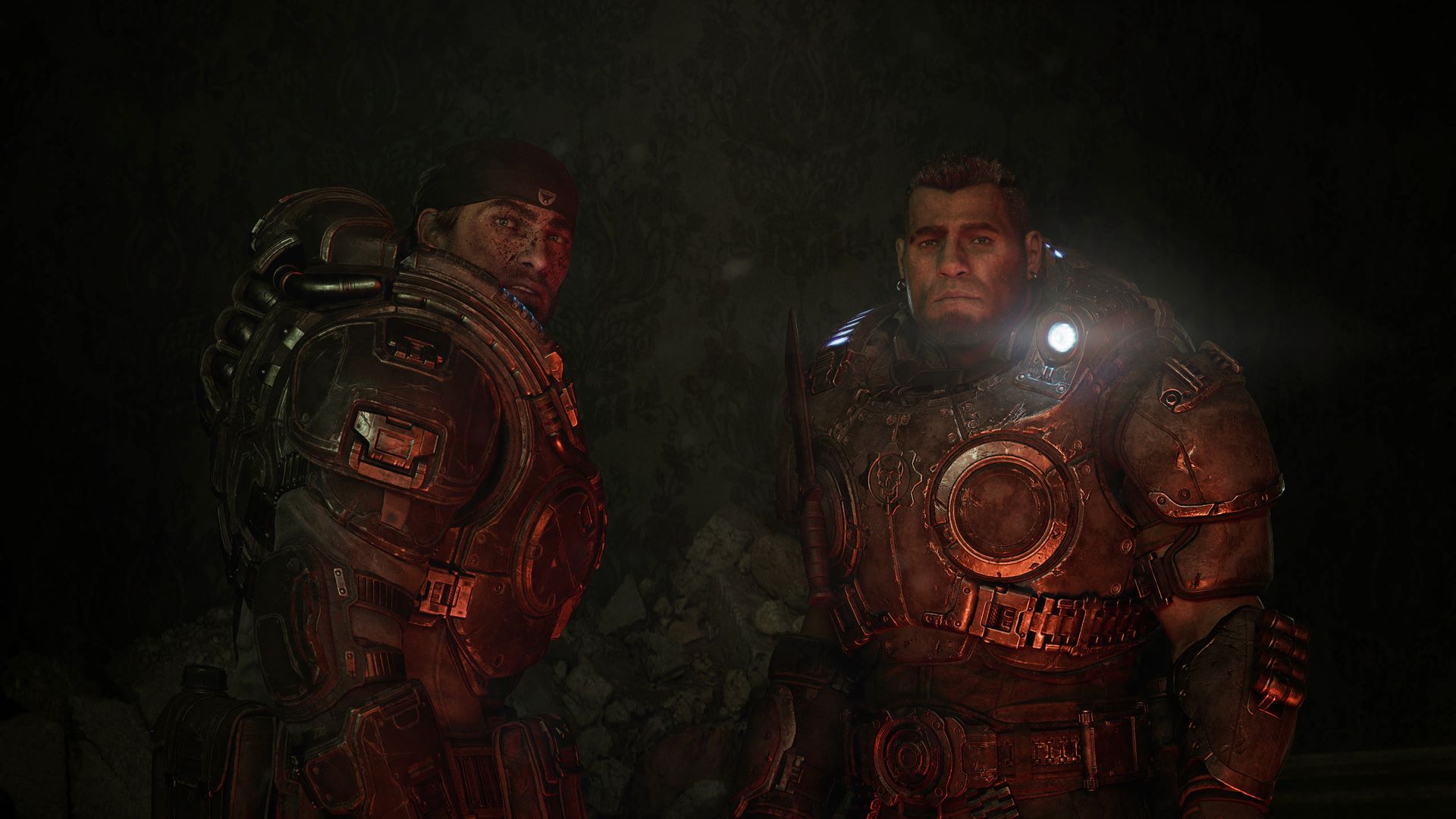
Few series make taking cover feel as satisfying as Gears of War. One minute you’re tucked behind a wall, planning your next move. The next, a Locust has pushed you out of safety and your carefully considered plan has become a very loud shotgun fight.
With Gears of War: E-Day now available, there’s another chapter to weigh against the classics. We’ve expanded this ranking to six games, keeping every entry from the previous list and adding the prequel. Campaign identity, combat, co-op appeal, and influence on the series all matter here. This is an editorial ranking, with E-Day’s position reflecting its launch offering rather than years of updates.
We’re comparing the six main story entries below. Judgment and Tactics sit outside this selection, while Ultimate Edition and Reloaded belong alongside the original rather than taking separate places. There are some broad story details ahead, but we’ll keep major character outcomes out of it.
6. Gears of War 4
Gears of War 4 had a difficult job: introduce a new generation without losing the appeal of the old one. Developed by The Coalition, it follows JD Fenix, Kait Diaz, and Del Walker as a fresh threat pulls them into a conflict that reaches beyond their own community.
There’s plenty to enjoy in that setup. The younger squad gives the series a different rhythm, and the return of familiar faces connects the adventure to what came before. The two-player campaign and class-based Horde mode also give friends good reasons to jump in together.
Its place at the bottom of this list comes down to identity. Gears 4 spends a lot of time introducing people and problems that become more interesting in the next game. It’s a useful bridge between eras, but the entries above it have clearer reasons to stand out on their own. If you’re following the modern storyline, though, skipping this chapter would leave you missing some helpful context.
5. Gears 5
Gears 5 gives Kait the spotlight and lets the series stretch its legs. Her search for answers brings a more personal focus to the campaign, while larger areas give you time to explore between the usual bursts of cover-based combat.
That shift is the game’s biggest strength and its most divisive choice. If you enjoy breathing room, side activities, and a little more freedom, it can be a welcome change. If you love Gears for its tight sequence of encounters, those longer stretches can feel like an interruption. Neither preference is difficult to understand.
The broader package helps its case. Horde, Escape, and the Hivebusters expansion give it several different ways to spend an evening with friends. We rank it above Gears 4 because it gives the newer cast a stronger purpose and takes more interesting risks. The original trilogy still has the edge here for focus and cohesion, but Gears 5 is a worthwhile change of pace.
4. Gears of War: E-Day
E-Day returns to Marcus and Dom, but meeting them earlier in their lives changes the context. Set 14 years before the original game, it follows the opening of the Locust invasion. These are experienced soldiers confronting an enemy they don’t yet understand, in a world that has barely had a chance to enjoy peace.
The prequel earns its place through that combination of familiar characters and a fresh perspective. Kalona’s campaign routes and side paths give the disaster a local setting to explore, while new movement options and revised cover mechanics expand how you approach a fight.
For this launch revision, fourth feels like a sensible place: ahead of the newer-generation chapters for its clear premise and return to the series’ origins, while the trilogy retains the benefit of its established legacy. This isn’t a prediction about multiplayer balance or future seasons. Those will need time to settle. If you’re starting here, our E-Day story primer provides useful context without revealing campaign outcomes.
3. Gears of War
The original still makes a strong argument for keeping things focused. It introduces Marcus and Delta Squad in a ruined world, then gives you a straightforward set of tools: find cover, watch your ammunition, and keep your partner alive.
What makes it memorable is how those simple decisions build tension. You rarely need a complicated explanation for why a position is dangerous. A flanking enemy or an exposed street tells you everything. The setting gives that combat room to feel threatening, with stretches of dread between the louder encounters.
Later games offer more systems and a broader range of activities, but the 2006 original established the series’ identity. Its place here reflects that foundation as much as its campaign. If you want an updated route into the same story, our Gears of War: Reloaded review looks at the newer version. We count those editions together, because a ranking shouldn’t give the same adventure multiple spots.
2. Gears of War 2
Gears of War 2 takes the original’s ideas and gives them a larger stage. Delta’s push into Locust territory expands the scale of the conflict, while Dom’s personal search makes it harder to treat every encounter as just another mission.
It’s the balance between those two threads that puts it so high. Huge battles make the war feel overwhelming, but the quieter character moments give you a reason to care about who makes it through. The campaign can be spectacular without letting the spectacle become its entire personality.
It also introduced Horde, turning survival against successive enemy waves into one of Gears’ defining co-op traditions. That influence deserves weight alongside the story. For players who want the series at its most dramatic, this is an easy recommendation. Gears 3 takes the top spot for bringing more of the overall package together, but the second game’s campaign remains a major reason to revisit the trilogy.
1. Gears of War 3
Gears of War 3 remains our first choice because it brings the trilogy’s characters, combat, and co-op appeal together. By this point, Delta Squad’s relationships have history behind them. Even a short exchange can carry the weight of everything the team has already faced.
The campaign gives that history a conclusion without needing us to spoil the details here. Its appeal isn’t only about seeing where the story ends, either. Four-player campaign co-op, expanded Horde, and Beast mode make it a substantial package for anyone who enjoys sharing the chaos.
There are good reasons to prefer another entry: the original’s atmosphere, Gears 2’s campaign, or E-Day’s perspective on the invasion. Gears 3 takes this ranking because it combines a satisfying trilogy finale with so many ways to play alongside friends. Newer games can keep building on the formula, but that combination remains a high bar.
Where would you place E-Day? Its arrival gives the ranking a fresh talking point, and its place may change as players spend more time with the full package. For now, the trilogy keeps the podium while the prequel gives newcomers another way into Sera.