eSports
PGL Masters Bucharest 2026: 7 Things to Know Before Watching
Get ready for PGL Masters Bucharest 2026 with seven viewing essentials, including the LAN setting, prize breakdown, map context, and round-to-round economy.

 Gaming.net zu deinen bevorzugten Quellen auf Google hinzufügen
Counter-Strike can look wonderfully straightforward until you try to explain why a team is carrying cheaper weapons, backing away from a fight, or celebrating an expensive loss. PGL Masters Bucharest is a good opportunity to enjoy the action while learning what makes the decisions around it interesting.
PGL’s official event page lists the 16-team main event for October 24–31 in Bucharest. These seven points combine the confirmed tournament details with a practical way to follow Counter-Strike 2. Check PGL’s current match listings for individual start times and pairings rather than treating a general calendar entry as the complete schedule.
7. This is a studio LAN event
The organizer describes the main event as taking place entirely on LAN in a studio setting. That gives the tournament a different presentation from a large arena show, with the broadcast carrying the experience for viewers watching remotely.
Approach it as a competition to follow through the observer feed, commentary, and replays. If the atmosphere seems less noisy than a packed arena, that does not make a close series less meaningful. Give yourself a few rounds to learn the patterns the commentators are discussing. A studio broadcast can still provide all the tension of a carefully managed final-round decision.
6. The headline winnings include two separate pools
PGL lists $1.25 million in total winnings, divided into $625,000 in prize money and $625,000 in club rewards. The event page shows separate placement tables for each. Its first-place entry is $225,000 in each table.
Keep that distinction in mind when comparing this event with another tournament. A total combining different payment categories is not automatically equivalent to a single player prize pool. For a viewer, the practical takeaway is simple: read what a headline number includes before using it to judge the scale of a result. The organizer’s own breakdown is the clearest starting point.
5. A map score and a series score answer different questions
At the start of a broadcast, identify what each score on screen represents. One tracks progress within the current map; another may show how many maps each team has won in the series. Check the match format in the broadcast before deciding how close either side is to advancing.
This matters most when you join halfway through. A team can look in control of the current map while still needing more work to win the series. Listen for the commentary explaining the stakes of the next map or round. Establishing that context takes only a moment and makes the following decisions much easier to understand.
4. The map selection gives the match an early storyline
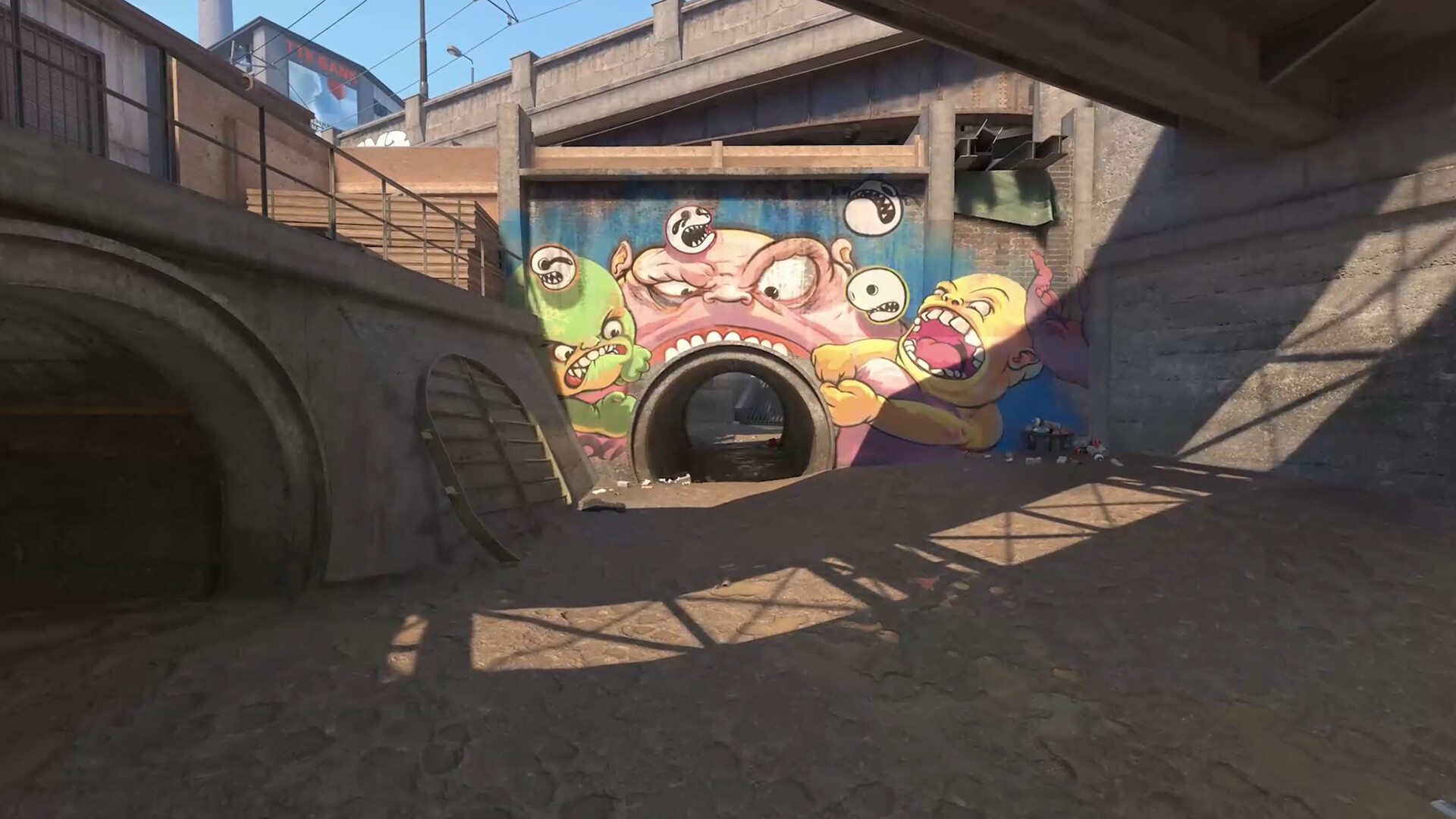
Pay attention when the broadcast explains the maps being played and how the teams arrived at them. You do not need to memorize a team’s entire history to understand why a particular selection might matter. Start with the question the analysts are asking about that match.
Once play begins, compare the explanation with what happens. Is a team comfortable moving through its preferred areas? Does the opponent seem prepared for the same approach? Avoid treating an analyst’s expectation as a result that has already happened. The interesting part is watching the teams prove, adjust, or overturn the idea over the course of the match.
3. The economy changes what a round is trying to achieve
Look at the equipment before watching the first duel. A well-equipped team and a side managing a restricted purchase may enter the round with very different practical options. That context can explain why one team groups closely, takes an unusual risk, or tries to preserve what it still has.
After the round, look again. Ask which side has the resources for the next attempt and which may need to make compromises. You do not have to calculate every purchase to follow the story. Recognizing that equipment carries consequences beyond the current exchange will already make a great deal of the commentary more useful.
2. Utility and positioning make the highlight possible
A replay may end with an excellent shot, but the important decision often happened several seconds earlier. Watch what restricted the defender’s view, where the attackers placed their teammates, and whether the first player had support when the fight began.
If the observer follows the player taking the duel, use the minimap to keep an eye on the rest of the setup. Notice where a second player is waiting and which route remains open. You will begin to see why a team can create a favorable fight without relying on somebody winning an isolated contest. That makes the quieter rounds worth following too.
1. Use the broadcast to follow decisions, not only eliminations
Pick one recurring question for a few rounds. How is a team gathering information? What makes it change direction? When does it commit the remaining players to a fight? A narrow question is easier to answer than trying to understand every movement at once.
Keep PGL’s official coverage and current schedule close by as the tournament develops. Match context can change quickly, so check the next pairing rather than assuming the team you followed will appear in the same slot again. As you become familiar with the players and maps, those small tactical questions turn a list of results into a much more rewarding competition to watch.
If Bucharest is your route into competitive gaming, our Best Esports Games to Watch list provides wider context, and our Esports prize pools offers another comparison point. Start with the match stakes, check the equipment, and give yourself time to notice what happened before the highlight.