Licenser
BGC Warns 40% Machine Games Duty Rise Puts Up to 3,800 Casino Jobs at Risk

 Føj Gaming.net til dine foretrukne kilder på Google
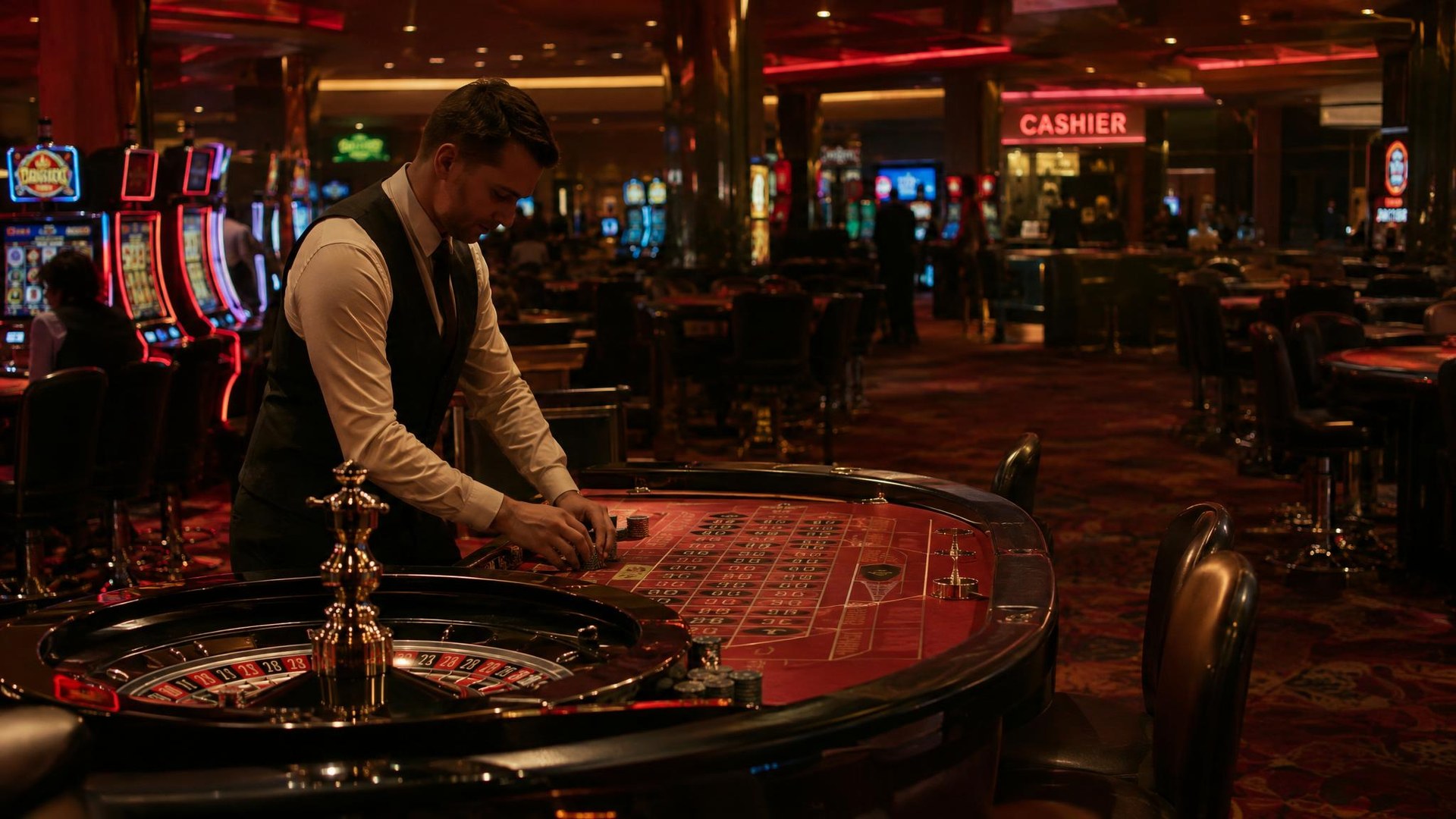
The Betting and Gaming Council warned in a statement on 12. oktober 2026, that raising Machine Games Duty to 40 per cent would put up to 3,800 casino jobs at risk and force some operators to consider closing as much as a third of their estates.
The trade body said thousands of casino workers face losing their jobs and that venues across Britain could close for good if the Chancellor presses ahead with what it described as a fresh tax raid. Raising the duty to 40 per cent would, it said, pose an existential threat to Britain’s casinos.
According to the BGC, communities outside London would be hardest hit. Half of all threatened closures would be in the North of England and Scotland, putting around 1,900 jobs at risk, while a further 20 per cent would be in the Midlands and 10 per cent in London.
The council said closures on that scale would hit local economies and destroy jobs, including opportunities for young people starting their careers, women, part-time workers and people building long-term careers in hospitality and leisure.
Casino Employment and Investment at Risk
The BGC said Britain’s casinos directly employ more than 10,000 people and support a further 3,700 jobs. According to the statement, the venues welcome 14 million customer visits a year, contribute £515 million in taxes and generate £815 million for the economy.
The statement added that more than £50 million of planned investment could be cancelled or scaled back if taxes rise again.
Grainne Hurst, chief executive of the Betting and Gaming Council, said many former casino sites already stand empty and that once venues shut, the jobs, investment and opportunities they provide can be lost for good.
“You cannot tax a casino that has closed,” Hurst said. “The Chancellor must not gamble with thousands of British jobs and the future of an entire industry.”
The Social Market Foundation Proposal
The warning responds to a report published by the Social Market Foundation on 30. juni 2026. The report, “Addressing the harm: The many arguments for raising Machine Games Duty on Category B machines,” was written by SMF chief economist Gideon Salutin and senior researcher Richard Hyde. Its central recommendation is that Machine Games Duty on Category B machines be doubled to 40 per cent.
The SMF estimated that doubling the duty on Category B machines could raise between £275 million and £458 million a year in additional revenue. Category B machines are taxed at 20 per cent because they cost between 21 pence and £5 to play, the report said, while Category D machines are mostly taxed at 5 per cent.
The authors’ modelling put the harms associated with machine gaming at £2.33 billion a year in economic losses, including £669 million in fiscal costs through welfare, housing, crime and health payments. The report said Machine Games Duty currently raises around £600 million annually.
The report also said that around one in four people, 27 per cent, who play casino games on a machine gamble at risky or harmful levels, the highest rate of any major category. It argued that limiting the increase to Category B machines would protect pubs and the wider hospitality sector, which can offer only lower-risk Category C and D machines.
Polling of 2,047 UK adults conducted by Survation for the report between April 2 and 7. april 2026, found 43 per cent supported increasing taxes on slot machines in high street betting shops, compared with 11 per cent who wanted a decrease and 25 per cent who wanted no change.
Duty Background and Earlier Opposition
Machine Games Duty replaced Amusement Machine Licence Duty and VAT charged on gaming-machine income from 1. februar 2013, according to HMRC’s published statistics background. A higher rate of 25 per cent was applied to machines in the “all other” category, those costing more than £5 to play, from 1. marts 2015.
The maximum stake on a single bet on fixed-odds betting terminals was reduced from £100 to £2 following an announcement in maj 2018, a change HMRC said would affect Machine Games Duty because most such terminals had been liable for the higher 25 per cent rate.
The same HMRC record notes that, as announced at Autumn Budget 2025, Remote Gaming Duty increased from 21 per cent to 40 per cent from april 2026, and Bingo Duty was abolished from april 2026.
The BGC first rejected the SMF’s proposal on 3. juli 2026, saying in a response that the report failed to properly assess the impact on jobs, local communities, high streets and the regulated sector. It criticised the report for making no attempt to quantify the venue closures or job losses its proposals would cause, and for assessing potential gambling harm by game type rather than by venue or machine category.
Hurst said at the time: “We fundamentally oppose any increase in MGD.” The BGC said then that the regulated betting and gaming sector supports around 109,000 jobs, contributes billions to the UK economy and provides leisure venues for millions of adults.
The SMF recommends that the increase take effect in the 2026 autumn budget.