Interviews
Wes Keltner, Ronnie Hobbs & Ismael Vicens, Gun Interactive — Interviewreeks

 Voeg Gaming.net toe aan je voorkeursbronnen op Google

Om de vierde opeenvolgende maand te vieren dat The Texas Chain Saw Massacre op de top van de asymmetrische horror-charts staat, dacht ik dat ik de hersens van drie van de trouwe oprichters, Wes Keltner (President), Ronnie Hobbs (Creative Director) en Ismael Vicens (Executive Producer), van Gun Interactive zou pikken. Het lijkt passend om contact op te nemen over de aanhoudende succes van het spel, met name met de aanstaande content-add-on met speciale effecten van Greg Nicotero die eraan komt. Bovendien, met Halloween in zicht, leek het me een goed idee om te praten over het spel en alles wat met horror te maken heeft met drie gelijkgestemde gore-fanatici?
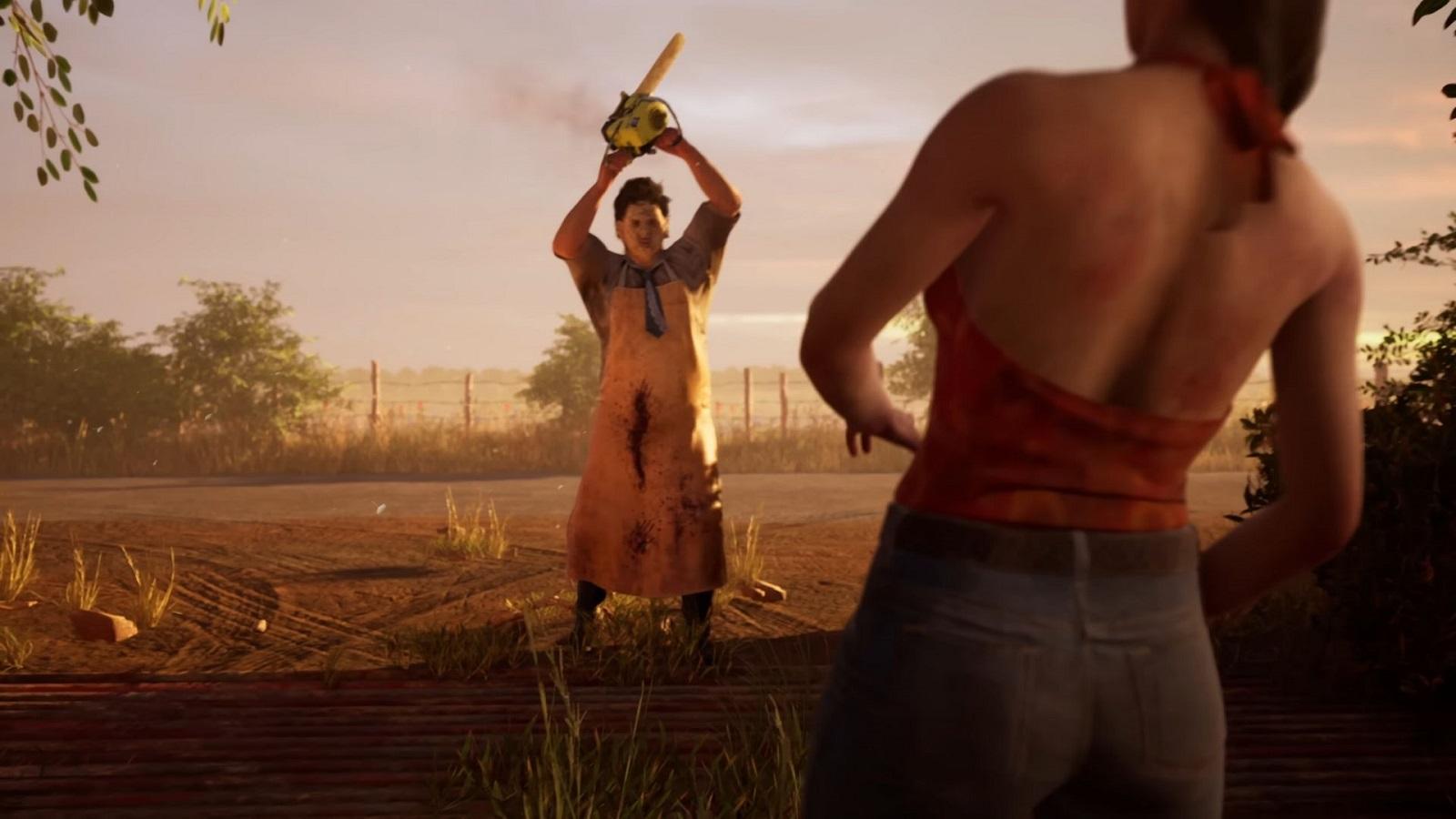
Om even terug te gaan, The Texas Chain Saw Massacre is een seven-player asymmetrische survival-horror multiplayer game, en als zodanig een liefdesbrief aan de cult-klassieke filmfranchise met dezelfde titel. Het is al een paar maanden uit en is al een van de meest gewilde online horror games op de markt geworden. Maar laten we doorgaan met de introductie en naar de vlees van de IP gaan. Wat hadden Wes, Ronnie en Ismael te zeggen over het succes van het spel en wat trok hen ertoe om de serie uit te breiden met een asymmetrische blauwdruk?
Credit: Gun Interactive
The Texas Chain Saw Massacre is arguably one of the most successful American horror franchises ever created. Tell us, what was it like returning to the roots of the 1974 cult-classic series?
Ismael: Voor ons was onze liefde voor de franchise altijd al gericht op de originele film uit 1974. Het heeft een unieke impact die zowel binnen de grotere franchise als binnen de Amerikaanse en horrorcinema volledig uniek is. We hebben veel respect voor wat Tobe Hooper en Kim Henkel hebben gecreëerd. Het is een iconische film die verder gaat dan alleen het horror-genre, dus er was een grote dosis intimidatie en twijfel bij het aanpassen ervan voor een videospel.
Meteen realiseerden we ons dat we niet gewoon zouden nemen wat er is en het in een videospel zouden stoppen, we moesten de sfeer, de toon, de grotere zin van de locatie importeren. Dat is een van de moeilijkste dingen om te doen; alleen visuele elementen zouden niet genoeg zijn om te bereiken wat we nodig hadden. We moesten de audio, de authenticiteit van de landschappen, de belichting en de effecten die de onherbergzaamheid van de locatie overbrengen, met elkaar verbinden en op de een of andere manier een overweldigend gevoel van dreiging infusen. Ondertussen moesten we dat in balans brengen met de weergave van de personages van de Familie, die op het randje tussen satire en monsterlijkheid balanceren.
Die evenwichtsoefening bewees voor ons het genie van die film en inspireerde ons om de uitdaging aan te gaan om dingen precies goed te krijgen. De mix die The Texas Chain Saw Massacre maakt, is echt delicaat – leun te ver in elke richting met elk element en het zou verkeerd zijn.
And why Texas Chain Saw Massacre, exactly? Is this a franchise that Gun Interactive has wanted to delve into for some time?
Ronnie: Als fans van de franchise hadden we onze ogen op The Texas Chain Saw Massacre gericht sinds we voor het eerst in de industrie begonnen. Na het succes van Friday the 13th voelden we dat het de perfecte gelegenheid was om eindelijk de kans te grijpen om de franchise te verkennen en naar de videomarkt te brengen. Het is persoonlijk een van mijn favoriete horrorfilms ooit gemaakt, dus om met deze franchise vertrouwd te worden, betekent veel voor mij en de rest van het team bij Gun Interactive. Als kind kocht ik de originele Atari-versie op de dag dat het uitkwam, dus het is leuk om full circle te komen en de franchise te moderniseren voor het huidige videospel-publiek. Mijn kind zou zeker trots zijn.
Wat betreft waarom, wilden we het asymmetrische multiplayer-genre vooruit helpen met meerdere moordenaars, 3v4-gameplay en The Texas Chain Saw Massacre was de perfecte kans om dat te doen. De Slaughter Family zelf is een gekke, disfunctionele mix van horror en komedie, rijk aan karakter en persoonlijkheid die we wisten dat het niet alleen geweldige personages zou maken, maar ook spannend en uniek gameplay.

Credit: Gun Interactive
So tell us, what inspired the asymmetrical blueprint? Clearly there’s a lot of interest in this particular area of survival-horror, but what drove you to explore it?
Ismael: Horror is bijna per definitie asymmetrisch. Of het nu monsters, slashers of het bovennatuurlijke betreft, horror gaat meestal over het lot van een alledaagse mens tegenover iets anders, gevaarlijks, angstaanjagends en overweldigends. Als liefhebbers van horror is het eigenlijk de enige manier om het genre aan te pakken. Als we iemand in de schoenen van die alledaagse mens zetten, moet het evenwicht tegen hen zijn. De kansen moeten tegen hen zijn, zodat ze de dreiging van de naderende bedreiging, de opwinding van de nauwe ontsnapping en het genot van de ontsnapping kunnen ervaren, of de angst als ze worden gevangen.
Aan de andere kant was het voor ons interessant om de bedreiging van de Slaughter Family te creëren. Ze zijn menselijk, maar ze zijn zeker geen gemiddelde familie. Dus wilden we ervoor zorgen dat we ze ontwierpen met beperkingen, terwijl we ervoor zorgden dat hun capaciteiten samenwerkten om hen in die bijna onoverwinnelijke kracht te veranderen die je kunt krijgen met bovennatuurlijke moordenaars.
We understand that you guys have recently teamed up with special effects legend Greg Nicotero — what can we expect from this newly formed partnership?
Wes: I’ve always wanted to work with Greg. As a fan of his work and how he went from practical effects into directing, I was always inspired by that. That type of grit and determination is something everyone at Gun seems to have in them. So when I went to Greg with this idea of making a new Leatherface, I felt pretty confident that we would hit it off. And we truly did. It was kids in a candy store. You put Greg and myself in a room with the task of creating a new monster, or really anything associated with horror, and we’re giddy. It was a blast to work alongside someone that creative and inspiring. “Nicotero Leatherface” dropped October 24th, and sales are very strong. As for anything else you can expect…you’ll have to wait and see.

Credit: Gun Interactive
Moving on from Texas Chain Saw Massacre, how did the two of you fall in love with the world of horror? Are there any particular movies, books, or video games that helped fuel the fire beneath the latest project?
Wes: I fell in love at a young age. I was probably around 8 or 9 when I watched my first horror film. I don’t know if there was one particular film that turned me into a fan or not. I remember the impact of seeing Jaws for the first time. It was the 80’s and I had a waterbed. My friend, I slept on the floor for a week. LOL! But I quickly found myself drawn to Jason, Michael, and Freddy. As a kid I liked Jason probably the most, but into my teen and early twenties I started gravitating towards Michael Myers and the first two Halloween films. I didn’t even see The Texas Chain Saw Massacre until my senior year of high school. I didn’t really see the big deal the first time I watched it. It took a few times for me to start to see what was truly special about it. As for games, the usual suspects grabbed me. Resident Evil, Silent Hill, and Clocktower to name a few. When I was in 8th grade our family got our first PC. It came with games loaded on it like Lemmings, some educational games and this little game called The 7th Guest. That was probably my first “horror game”.
Ismael: Growing up, I started on horror with the written word. If my elementary school library had kid friendly horror, or a collection of ghost stories, it was overdue and I was the culprit. As I got older I moved right along into reading the latest from Robert McCammon, Dean Koontz, F. Paul Wilson and others. At the same time, I discovered late night horror movies on TV and I was quickly hooked. From there, my love for horror just became an intrinsic part of who I am.
For me, one of the areas of horror that really inspires how I approach working on horror games is time I’ve spent interacting with and working alongside the haunted attraction industry. There’s a lot of overlap in how you approach designing haunts and the scares within and how you tackle designing a video game. Most importantly, both are very interactive – there’s no passive scares like in linear media. Both the person being scared and the people doing the scaring (in this case the design and features you’ve built in) are participating in the experience, and the pacing can change drastically on the fly.
While on the subject of horror games, if you could suggest just three to play this forthcoming Halloween, what would they be, and why?
Wes: Of course I’m going to say play our game! So besides The Texas Chain Saw Massacre I would suggest Alan Wake 2. The first is very good, and it’s looking like this installment might be better. I’d also suggest going back and playing some older horror games like Amnesia and the recent remakes of Resident Evil are incredible.
Ismael: If someone really wants to experience the full breadth of gaming horror, I’ll obviously recommend The Texas Chain Saw Massacre. It’s got the best aspects of enjoying horror – dread, screams, and sometimes laughter. But if I had to recommend three other titles, here they are —
Bramble: The Mountain King was a really interesting game that came out this year. Based on Scandinavian folklore, it alternates between the truly fantastic, and the deeply horrific. On top of that, like TCSM, it’s a game that shows how horror can be absolutely beautiful while also scaring the pants off of you.
Horror lovers should also check out the Rusty Lake games. There are a ton of these, and they’re all wonderful little bite sized pieces of weirdness. This is a very prolific team, and every time they drop something new I’m immediately interested in seeing how it expands and complicates the world they’ve created. This feels like a cheat because there are a lot of them, so I’d recommend just picking one and starting from there – they’re all self contained. But don’t be surprised if you end up binging them.
And finally, I’m going to recommend Alan Wake II even though it isn’t out. The reason? Simple – the first one is an amazing title, and Remedy’s track record is solid. Control was amazing, and is absolutely a game with horror undertones running throughout, so Remedy’s return to Alan Wake is incredibly exciting.

Credit: Gun Interactive
If you don’t mind me asking, what’s next for Gun Interactive? Can we expect to see any more of Texas Chain Saw in 2024? If so, are there any dates that we should be jotting down in our calendars?
Ismael: We’re fully focused on The Texas Chain Saw Massacre right now – what can we do to better support our players, how can we enrich and improve the experience, and how do we expand what’s there. One thing we do not want to do, however, is share any specific dates. The reason for that is simple – we don’t want to flag a date, then pull the rug out from under our players’ feet at the last second. It’s easy to get into trouble with public roadmaps. When we tell people a date, we want it to be ironclad and meaningful, because it’s a matter of trust. With any multiplayer game, you have to work day and night to build that trust with your users, and then work just as hard to maintain it. And you do that by sticking to the commitments you make to them. So if we’re announcing a date you know we’re doing that because we’ve got something ready to go – it’s been developed, tested, polished, tested some more, passed through certification, and is ready to be downloaded on the date we announce.
Speaking of upcoming projects, you guys have tapped into both Friday the 13th and Texas Chain Saw Massacre now. Do you have any plans to explore another horror franchise in the future?
Wes: I would love to touch the Halloween franchise. I’ve said this countless times. I think we could do a lot with my boy Michael. I also have an affinity for Giallo films, but I haven’t really figured out the best way to translate what makes those films interesting, into a game. Also, The Thing is on my wishlist. We could do a lot with that formula.
Ismael: If you ask ten people at Gun what their favorite horror franchise is, there’s a good chance you’re going to get ten different answers. That blend is perfect – it means we’re all bringing different insights to what we work on, but it also demonstrates the love for the genre here. Fortunately, we’re in a position where we’ve demonstrated our chops and gotten recognition for the way we approach work on an IP – with white gloves, and attention to authenticity. That means we’re privileged enough that we have people approaching us to see if we want to work together.
We’re not going to choose something because it’s popular, or because we think we can jury rig some design around the property. We need to be inspired by the property, and we need to see if we can craft something that is fully bespoke, designed and thought up one hundred percent with that IP in mind. While we’re constantly striving to improve our sense of design and we take inspiration from a million different places, it all starts with the franchise, and whatever vision drove the original.

Credit: Gun Interactive
Anything else you’d like to add for our readers?
Ismael: The reception to The Texas Chain Saw Massacre has gone beyond our hopes for the project, and we’re incredibly grateful that fans have grabbed on to our game. More than that, we love that so many players have been introduced to this film through our game, and are now experiencing it for the first time. Having a hand in nudging people towards the films and characters we’ve loved for decades is a fantastic feeling, and demonstrates the power of video games to broaden people’s exposure to films and ideas they may otherwise never have encountered.
Ultimately, a multiplayer game is a shared experience between developer and player. Unlike a single player experience where the developer can tightly limit what a player can do, and can make sure the guardrails are up to force a player to largely adhere to their tone and vision, a multiplayer game becomes a sort of conversation between the people making it and the people playing it. I can tell you right now that that conversation has been amazing. Players really get what we were aiming for, and watching them play has been an utter delight. We’re looking forward to keeping it going and making sure it stays interesting.
Amazing. Thanks for your time, guys!
So, what’s your take? Will you be revving up the chainsaw in Gun Interactive’s The Texas Chain Saw Massacre this Halloween? Let us know your thoughts over on our socials here.




