Game Guides
The Legend of Zelda: Ocarina of Time on Switch 2 — 10 Spoiler-Free Beginner Tips
Ten spoiler-free Ocarina of Time Switch 2 tips covering new movement, exploration, music and the optional tools that help you find your bearings.

 أضف Gaming.net إلى مصادرك المفضلة على Google
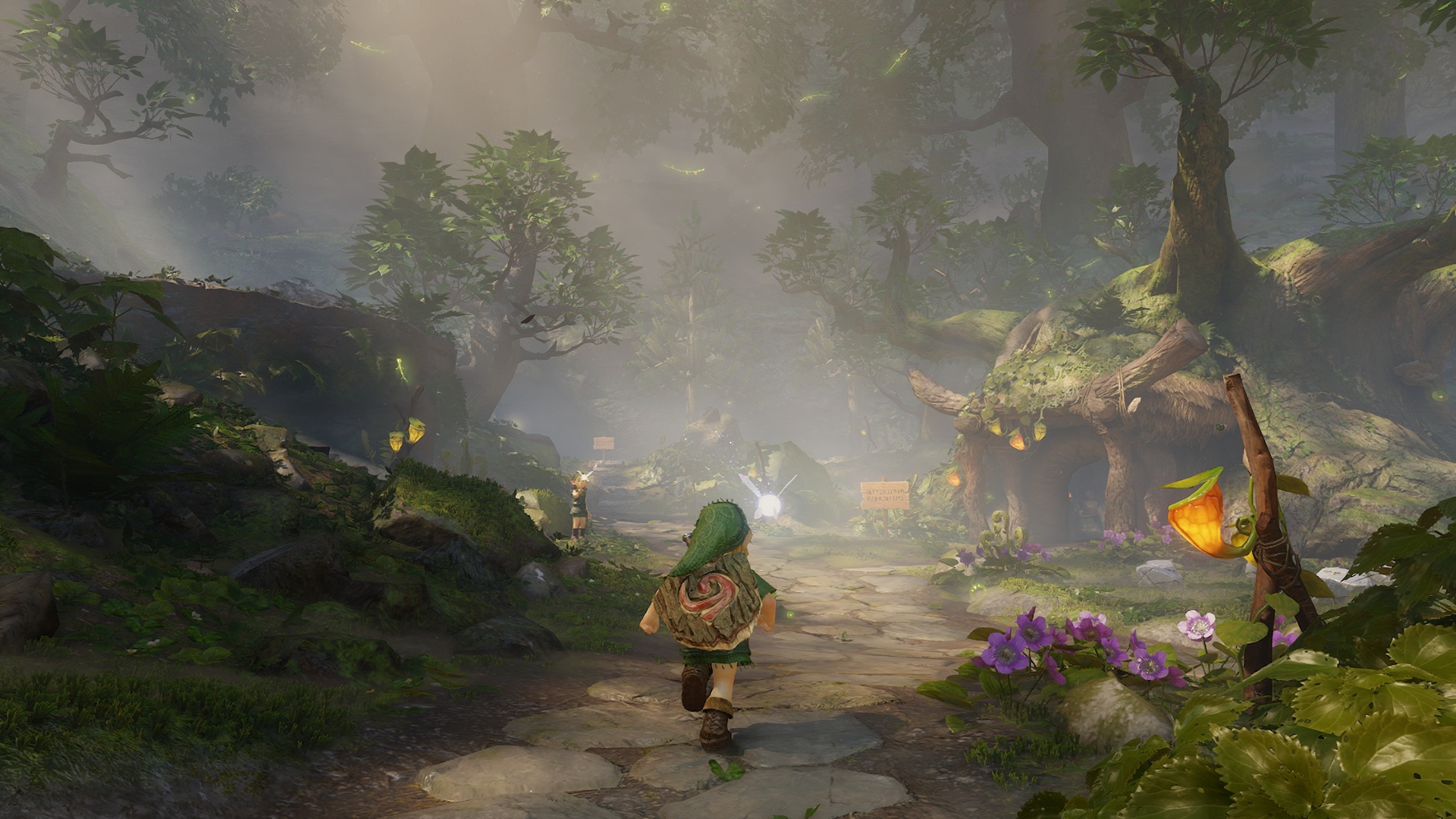
Link’s first journey through Hyrule is easier to enjoy when you have enough direction to keep moving and enough freedom to discover the rest yourself. Ocarina of Time’s Switch 2 remake follows the young hero as Ganondorf threatens the kingdom, with new movement, camera controls and ways to keep track of the adventure.
These ten tips focus on useful habits and the remake’s official features. There are no dungeon solutions, late-story revelations or lists of secret locations. Whether this is your first visit or a return after many years, start by getting comfortable with the version in front of you.
Looking for somewhere to start?
- Get comfortable with the new movement first
- Treat learned melodies as part of your toolkit
- Check Threads of Time when you need your bearings
10. Get comfortable with the new movement first
Link's first steps do not need to be a race towards the next objective. Spend a little time moving around a safe early area, trying the remake's jump and dash controls and turning the camera while you travel. A minute of practice makes it easier to judge where you are going once the surroundings become less forgiving.
Returning players should give themselves that time too. The Switch 2 version changes how movement feels, so muscle memory from an older release is not a substitute for the controls shown on screen. Learn the new rhythm before asking it to carry you through a dangerous situation.
9. Use the camera to understand the space
If a room looks like a dead end, move your viewpoint before you assume you have missed an item. The remake's modern camera controls give you a better chance to examine the connections between ledges, doors and objects. Looking from another angle can turn an awkward shape into a much clearer route.
Make a habit of taking in a new space before rushing through it. You are not trying to search every corner at random; you are building a picture of how the room fits together. That small pause is useful in an adventure where understanding your surroundings often matters more than moving quickly.
8. Read an enemy before committing to an attack
A familiar sword does not mean every fight should be a string of uninterrupted swings. Give a new enemy room to show you what it does. Watch how it approaches, where an attack travels and what happens immediately afterwards, then look for a safer moment to respond.
Use the game's targeting and defensive prompts rather than relying on button instructions written for the Nintendo 64 or 3DS versions. Keeping a threat in view makes its behaviour easier to learn. If a tactic is repeatedly costing you health, change your position or timing before simply attempting the same attack faster.
7. Know what your current tools can do
When you gain a useful item, read its explanation and try it somewhere with little pressure. It is much easier to recognise a possible use later if you already understand the basic action. The same goes for the controls used to select and use it in this version.
Before entering an unfamiliar area, take a moment to check what you have available. You do not need a guide telling you which tool solves the next room. Being familiar with your own equipment lets you make that connection yourself, which is a large part of the satisfaction of a Zelda dungeon.
6. Prepare before leaving a safe area
A new path is more inviting when you are not already struggling for health. Before setting off, check your condition and the useful supplies you currently have. If the game has given you a way to carry a restorative item, remember that the container only helps when you have actually filled it.
Treat preparation as a short habit rather than an elaborate shopping expedition. The aim is to give yourself room to learn a fight or investigate a side route without every mistake forcing a retreat. You can keep exploring at your own pace while still leaving town in a sensible state.
5. Listen to Navi and the people you meet
Link does not travel alone: Navi is there to accompany him, and the people around Hyrule help give the journey its direction. Pay attention when the game offers a conversation or a hint, especially when you have arrived somewhere new or just completed an important step.
A useful approach is to ask what your most recent conversation was pointing towards before reaching for an outside walkthrough. You may only need a reminder of the problem, not its answer. That keeps the characters involved in your exploration and leaves more of the discovery in your own hands.
4. Pay attention to the changing time of day
The Switch 2 remake lets the day-and-night cycle continue in towns as well as elsewhere. A settlement is therefore not a place where you can assume time has stopped while you work out your next move. Notice the light and the atmosphere as you explore.
If you are investigating something connected to a person or place, remember when you last saw it. A brief note or screenshot can preserve that observation without spoiling what comes later. Thinking about time as part of the world is more useful than assuming every visit will present exactly the same scene.
3. Treat learned melodies as part of your toolkit
The ocarina belongs to the adventure, not just its soundtrack. When Link learns a melody, pay attention to its explanation and the situation around it. That context can help you recognise a sensible place to try it later, without needing a list of song solutions beside you.
The remake's optional microphone input can recognise humming for melodies Link has already learned. It does not mean you can bypass learning a song, and you can use the regular controls instead. Choose whichever method feels comfortable; the important part is understanding what the music means in the world.
2. Use Zelda Notes if you want an optional companion
Zelda Notes in the Nintendo Switch App can sit alongside the adventure on a compatible phone. Its records and image-based Gossip Quest hints offer another way to look back at what you have done or investigate a location, rather than a requirement you must set up before beginning.
Try the game first and decide whether a companion screen would be useful to you. The app features need the appropriate phone setup, a Nintendo Account and an internet connection. Keeping those extras optional helps you find a comfortable pace, whether you prefer checking a record or staying with the console screen.
1. Check Threads of Time when you need your bearings
Returning after a break can leave you remembering a character but not what they asked you to do. Threads of Time is designed to show story progress and the next objective, giving you a place to regain that context before you wander across Hyrule looking for the right conversation.
Consult it when you are unsure of the broad direction, then give yourself room to explore on the way. An objective reminder and a puzzle solution are different levels of help. Starting with the former often gets the adventure moving again while leaving the interesting part of the next room for you to discover.
Where to begin
Begin with movement practice, remember that the ocarina is a tool and use Threads of Time when the broad direction becomes unclear. For more background, read our Ocarina of Time remake coverage. When you want another adventure with a similar sense of discovery, try our games like Ocarina of Time.