体育
Same-Game Parlays Explained: Correlation, Pricing, and Voids
See how related outcomes change a same-game parlay’s price, then work through a winning ticket, a void leg, and a payout recalculation.

 将 Gaming.net 添加到您在 Google 上的首选来源
要点相关腿一起通过的概率远高于独立相乘所显示的结果。
查看更多
- 相关腿一起通过的概率远高于独立相乘所显示的结果。
- 2.40的赔率需要约41.67%的胜率才能保本,而模型给出的联合概率为37.5%。
- 球员参赛规则决定了一名球员缺阵时是使彩票作废还是重新定价。
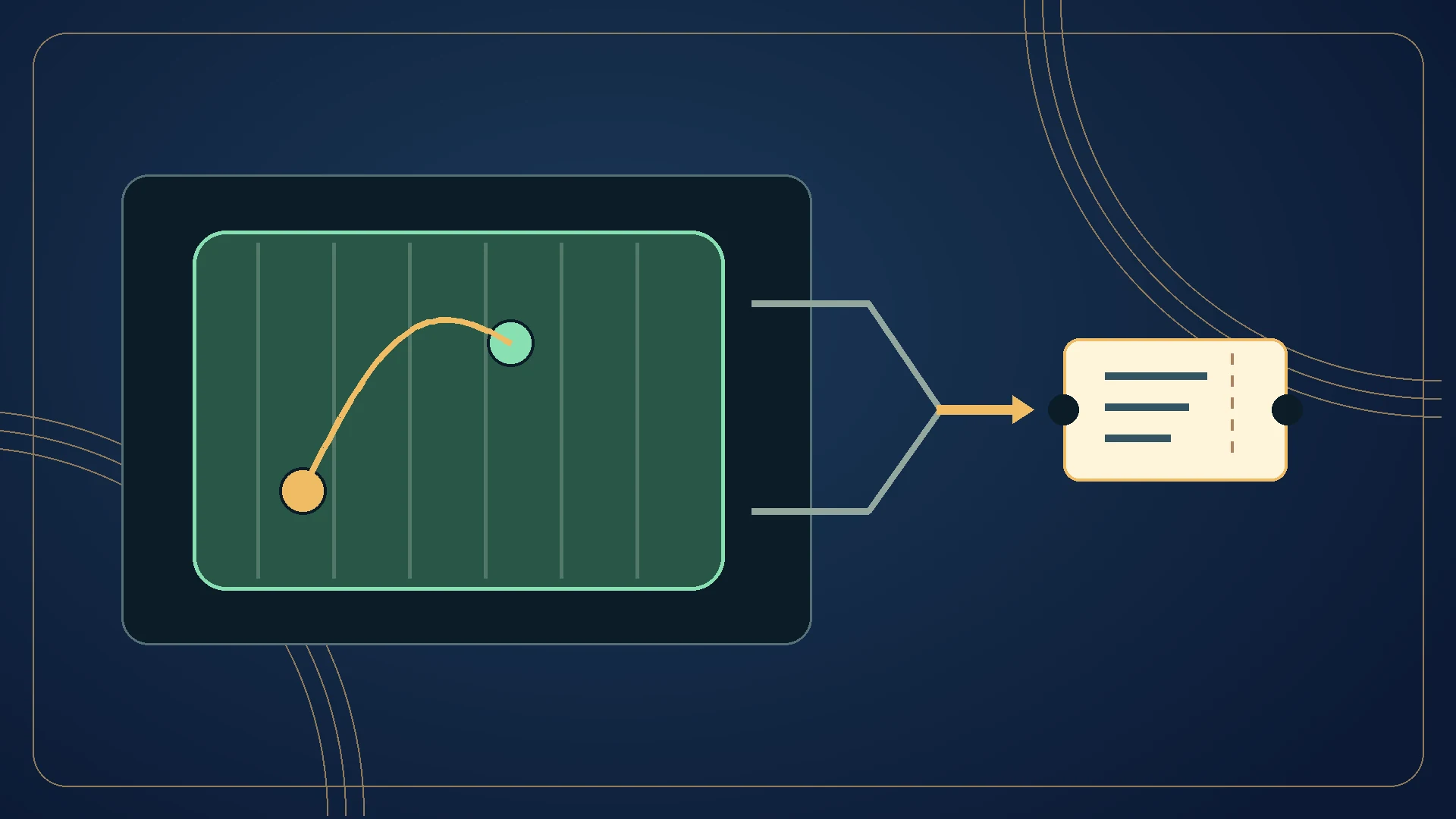
A same-game parlay combines multiple selections from one game into one bet. The ticket ordinarily needs every active leg to win. Its price depends on how often those outcomes can happen together. A quarterback and a receiver can exceed their passing and receiving lines on the same completed pass, so the two percentages rarely tell the whole story.
Compare the joint chance with the offered price
Suppose the quarterback clears his line in 22 of 40 simulated game scenarios and his receiver clears his line in 20. If their results were independent, multiplying 55% and 50% would give 27.5% for both. If both clear the lines in 15 of those 40 scenarios, the modeled joint chance is 37.5%. The fair decimal price under that illustrative model is about 2.67. The simulated results are inputs for the example, with no claim about real players or model quality.
| Decimal quote | Gross return on 10 if it wins | Break-even probability |
|---|---|---|
| 2.40 | 24 | 41.67% |
| 2.80 | 28 | 35.71% |
The higher offered price has a lower threshold. Whether either quote offers value depends on how reliable the estimated joint chance is, plus the rules for losses, pushes and voids. A sportsbook can decline certain linked selections or apply its own combined price. For comparison, the regular parlay guide shows the arithmetic of multiplying independent leg prices.
Find the shared event behind the legs
A passing total and a receiving total can share completions. A lead can change how frequently a team throws or runs. Competing outcomes can also move in opposite directions. Two players’ scoring props may share a fast game but compete for attempts on their own team. Think through game scenarios that win both legs, only one, or neither before using a probability estimate.
A win-or-loss ticket at 2.40 needs about 41.67% to break even. At the illustrative joint probability of 37.5%, the expected gross return is 0.90 per unit staked. The gap comes from price and probability together, even though the possible payout is larger than either single wager.
See how an unavailable player changes the ticket
If one player never enters the game, the bet’s player participation rule determines whether the leg has action. An operator may remove the leg and reprice the remaining combination, void the whole ticket under product-specific terms, or grade an already determined selection under a separate rule. The Massachusetts Gaming Commission’s house-rule materials provide an example of recalculating the wager after a push or void when the remaining selections win.
Before comparing two quotes, check every leg, game period, official stat source, and how an injury, postponement or push is treated. A player prop can have a different participation rule from the rest of the ticket. The accepted slip and published rules determine which terms apply after the game.
Sources
- Massachusetts Gaming Commission, house-rule examples for same-game parlays
- Massachusetts Gaming Commission, sportsbook rules with sport-specific combination grading
- Massachusetts sports wagering standards
- UK Gambling Commission, compliance with published settlement rules
- NFL Football Operations, official playing rules and scoring