Game Guides
Queen’s Domain: 10 Combat and Exploration Systems to Understand First
Understand ten confirmed Queen’s Domain systems, including stamina, charge attacks, weapon skills, throwing weapons, sword flight, XP and food.

 Gaming.net를 Google의 선호 소스에 추가
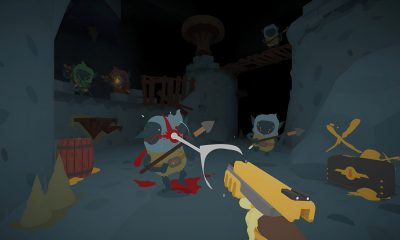
Queen’s Domain gives your sword two jobs: fight what is in front of you and help you cross the gap to whatever is waiting next. The island becomes more interesting as those jobs connect. A weapon upgrade matters in a fight; a traversal upgrade can change where that next fight is even reachable.
Start with stamina, Holy Sword Endu’s flight, and the routes connecting the island. These ten systems explain how combat and exploration fit together. For another adventure with that pull toward the next discovery, see our PC RPG recommendations.
10. Read Stamina Before Committing to Another Action
A stamina meter makes combat a question of timing as well as damage. Watch what happens to the meter during an encounter and learn what each available action asks of it. The useful opening is one you can exploit without losing track of the enemy’s response.
Begin with a simple attack pattern and give yourself time to read the fight. Once you understand its rhythm, adding a charge or a special becomes a deliberate decision rather than another input you hope will solve the situation.
9. Learn Where a Charged Attack Fits
Charged attacks give you a heavier commitment to consider when an opening appears. Watch the preparation and recovery as well as the hit. A promising gap in the enemy’s behavior matters more than simply wanting the next attack to be stronger.
Try the charge in an encounter you can already read. That makes it easier to judge when it is useful, and when an ordinary attack leaves you better placed to deal with what comes next.
8. Give Each Weapon Special a Job
Weapon-specific special attacks make a new piece of equipment worth examining beyond its basic strike. Read the effect, then try it against a situation you recognize. You want to find out which problem the special helps solve.
That gives weapon comparisons a practical basis. One option may suit the way you have been fighting, while another suggests an approach worth learning. A large arsenal becomes much more interesting once its differences change what you do in an encounter.
7. Make Throwing Weapons Part of the Plan
The arsenal includes more than 20 types of secondary throwing weapons. Look at the effect and requirements of the one you have equipped, then consider how it supports the melee weapon you are carrying.
Test it in a clear situation so you can see what it contributes. A secondary weapon earns its place when it gives you another useful response, rather than becoming something you remember only after a fight has already gone wrong.
6. Spend Time With a Small Part of the Arsenal
There are more than 50 melee weapons to discover, equip, and upgrade. You do not have to make sense of the entire collection at once. Give a promising weapon several understandable encounters before replacing it with the next interesting find.
That familiarity makes an upgrade easier to appreciate. You know how the weapon behaves and what you want it to do better. You also have a clearer point of comparison when a different special attack tempts you to change the setup.
5. Use Holy Sword Endu to Read the Landscape
Endu lets you take flight across gaps, so a broken path can be an invitation rather than a dead end. Learn the traversal demonstration, then look for places where the ability connects one usable space with another.
Start with a crossing you can judge clearly. A successful short flight gives you a reference for the distance and approach. From there, looking across a gap becomes part of exploration: is there a route, and can you reach it with the ability you have now?
4. Remember a Gap After Finding a Flight Upgrade
Traversal upgrades let Endu carry you farther. When a crossing seems out of reach, remember the location and what you were trying to get to. A recognizable landmark is more useful than a note saying only that something was inaccessible.
Return when your range improves and test that specific possibility. This gives backtracking a purpose. The upgrade is rewarding because it changes what you can try in a place you already wanted to explore.
3. Connect XP, Equipment and Accessories
Leveling through XP is one part of developing your character; weapons and accessories are other parts of the same planning. Look at what the next choice actually changes before treating every difficult encounter as a reason to chase levels.
Ask what stopped you: the way you approached the fight, the weapon you brought, or an attribute you could improve. Matching an investment to that problem makes the next attempt more useful, whether you win or learn something else about the enemy.
2. Read Food as Part of Your Build
Food can raise stats, which gives another discovery a purpose beyond filling an inventory slot. Look at the stated effect and decide whether it supports the way you are currently fighting or exploring.
Use the item description to establish the actual benefit and its limits. Food is worth planning around when you know what it changes. The payoff is a character setup built from things you understand, instead of several unrelated bonuses you added because they sounded helpful.
1. Notice Where the Island Connects Back
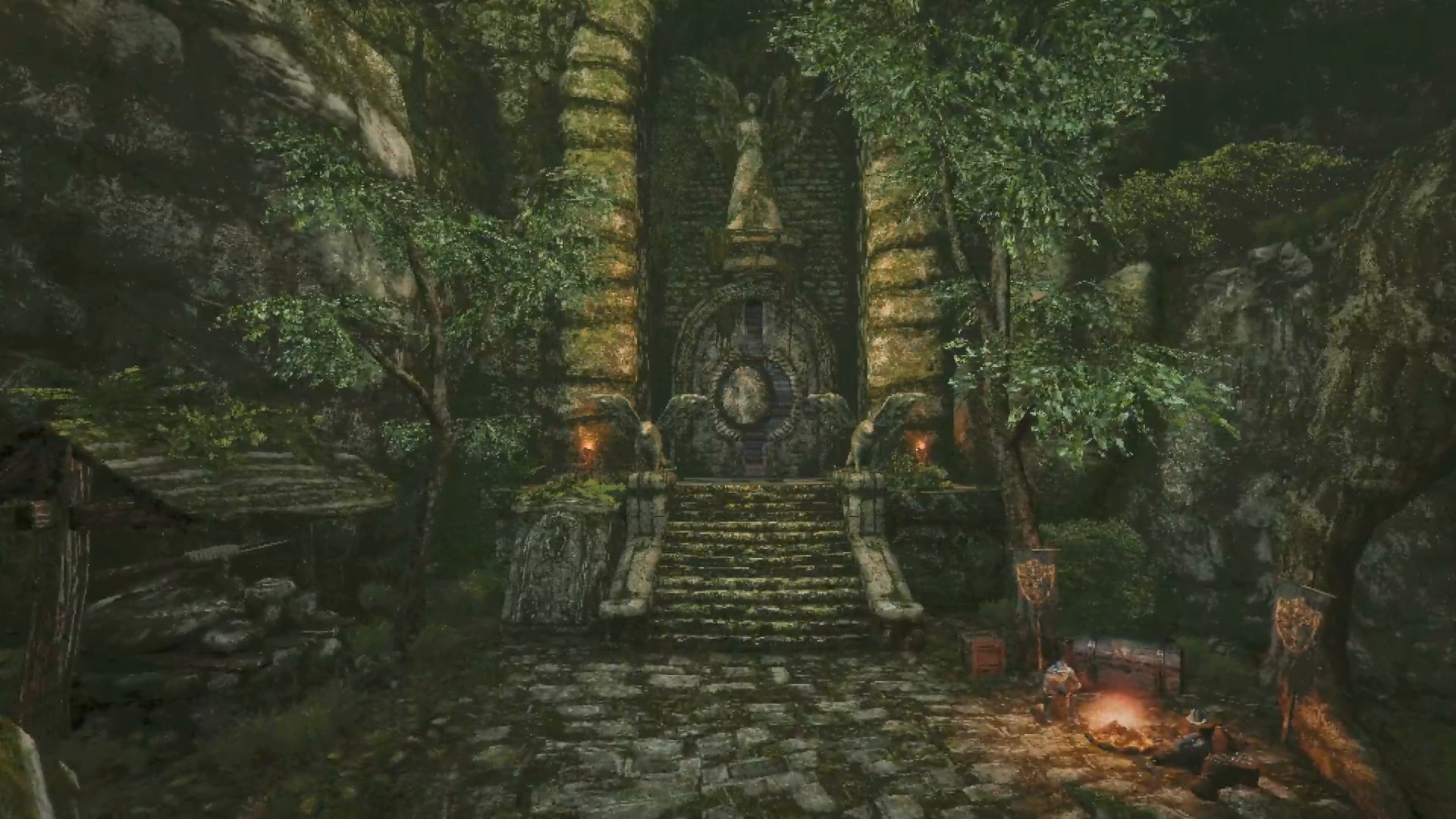
The Isle of Neasied is an interconnected world full of hidden routes and secrets. Pay attention when a path brings you back to a familiar place. That connection can make the island easier to navigate and give a new discovery a location in your mental map.
A route is useful progress even when it does not end with a stronger weapon. Recognizing how areas join lets you plan a return, remember an unresolved crossing, and see why the next traversal upgrade might matter.
Get comfortable with the rhythm of a fight, give a new weapon a proper try, and keep an eye on routes that Endu might help you reach. The reward is understanding more of the island each time you return. For progression with a different kind of homecoming, try our RPGs with town building.