Game Guides
Escape Academy 2: Back 2 School — 7 Things to Know Before Your First Puzzle
Get ready for Escape Academy 2 with seven spoiler-free pointers covering co-op, campus exploration, side quests and the optional No-Timer Mode.

 Gaming.net를 Google의 선호 소스에 추가
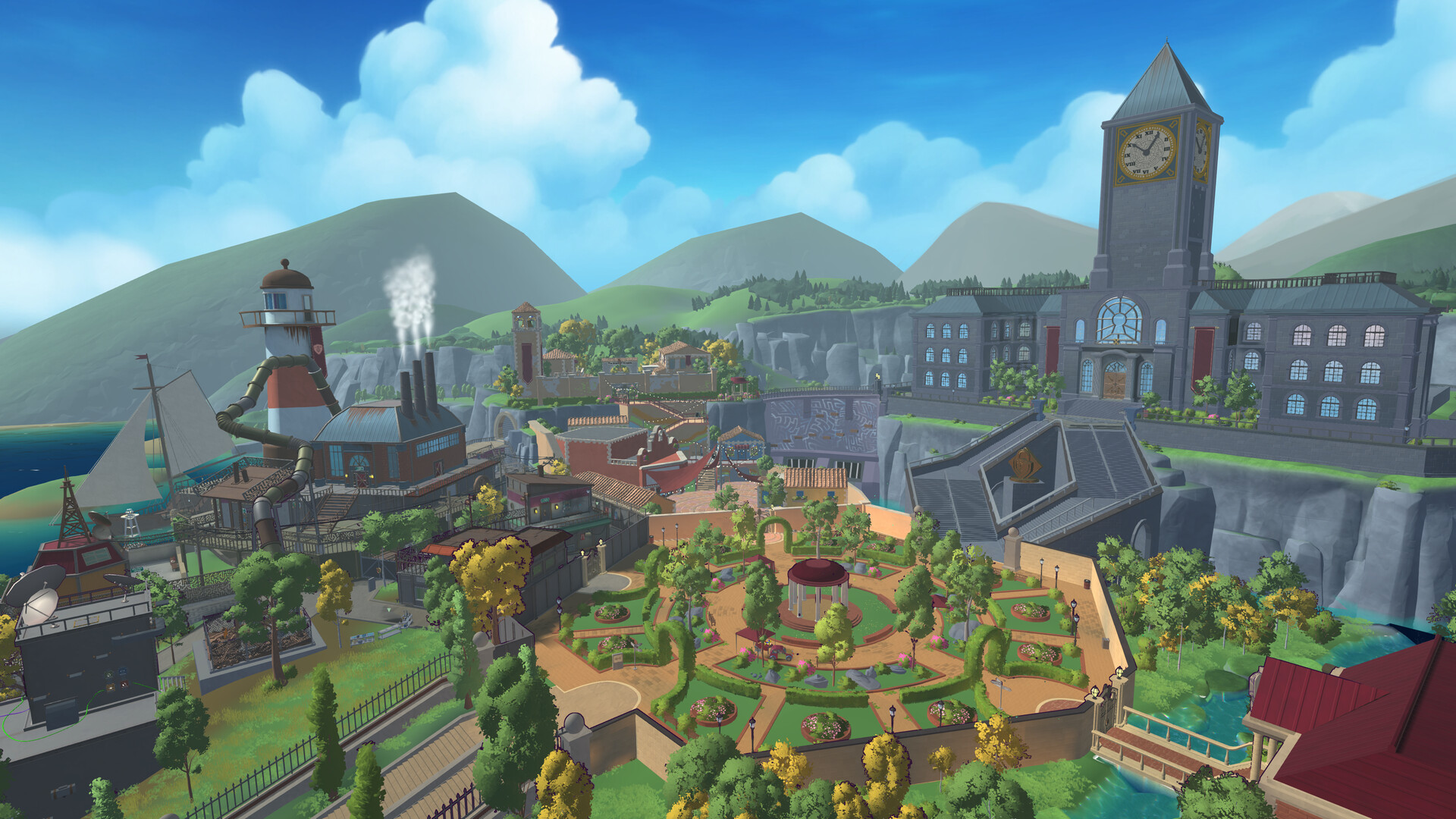
Spotting a suspicious landmark on the way to class is now part of the puzzle. Escape Academy 2: Back 2 School opens up its campus, giving you places to explore and people to meet between its more elaborate escapes. That makes curiosity useful before you even reach a locked room.
The sequel launches 2026년 11월 5일. These seven pointers explain its announced systems without handing over puzzle solutions. Jump to co-op, No-Timer Mode or exploration to plan the kind of session you want.
7. You Can Take the New Campaign on Alone
You do not need to recruit a puzzle partner to enroll. Escape Academy 2 supports solo play, which suits anyone who wants time to turn a clue over without someone else calling out an answer from the other side of the room. You get to follow your own train of thought and decide when to move on.
Coin Crew Games also welcomes newcomers to the series. The sequel has a new campaign, so familiarity with the first game is not presented as an entry requirement. If you want to sample the original beforehand, our Escape Academy beginner tips cover that game separately.
6. Two Players Can Team Up Online or on One Screen
A partner gives you another set of eyes when a room is full of objects that might matter. The sequel supports two-player online co-op and local split-screen, with the campus, story and puzzles playable together. Choose local play if the appeal is talking through clues on the same sofa; choose online when your preferred puzzle partner is elsewhere.
Agree on how much help you want before starting. Describing what you have found gives the other player room to make a connection; immediately announcing the solution can remove the part they came to enjoy. That is a useful co-op habit, rather than a requirement imposed by the game.
5. The Campus Is a Place to Explore Between Escapes
Instead of treating the academy as a menu that sends you to the next room, the sequel gives you an explorable campus. The developer describes distinct areas with their own atmosphere and puzzles. A walk between objectives can become part of the evening’s discovery rather than a break from it.
Do not expect every visible destination to be accessible immediately. Coin Crew’s campus introduction specifically says the Humanities Campus is not available from the start. Seeing somewhere intriguing before reaching it is part of the intended progression.
4. Puzzles Can Be Part of the Surroundings
Pay attention to more than doors and obvious puzzle equipment. Coin Crew describes interactable landmarks and a campus designed to reward curiosity, with puzzles extending beyond individual rooms. A feature that first looks like decoration may deserve a second look once you understand more of the school.
A useful habit is to remember places that seem interesting without assuming everything must be solved the first time you see it. You can stay curious without turning a first visit into a hunt for a complete solution guide. That leaves space for the eventual connection to be your own.
3. Side Quests Add Reasons to Talk to People
The new campaign includes character-focused storylines and puzzle-filled side quests. Between the larger escapes, other students and teachers give the academy more of a school-day rhythm. If you enjoy discovering a place through the people who occupy it, those conversations are part of what distinguishes the sequel.
Leave some room in your plans for a detour. Going straight toward the next main objective may be your preferred pace, but it is worth recognizing that the smaller errands and encounters are deliberately part of the experience. No character’s solution or quest outcome needs to be spoiled to make that choice.
2. No-Timer Mode Lets You Choose a Calmer Pace
An optional No-Timer Mode is confirmed in the official product description. If a countdown makes you rush past clues rather than enjoy working them out, that option deserves attention before you begin. It lets the puzzle itself hold your focus without the same pressure from the clock.
Decide with your partner whether the timer adds excitement or just makes it harder to talk. Neither approach needs to be treated as the proper way to play. The official Xbox listing describes the mode alongside the game’s solo and co-op support.
1. Keep Your First Search Away From Full Solutions
Before looking up a puzzle, separate the information you need from the answer you are trying to avoid. Finding out whether local co-op is supported is a harmless planning step; opening a complete walkthrough can reveal the connection you wanted to discover together. This guide stays with features for that reason.
If you get stuck, first describe what you can see and what you have already tried. In co-op, let each person explain their interpretation before searching. And if the part you most enjoy is sharing that gradual realization, our games like Escape Academy list offers ideas for another puzzle night afterward.
Settle how you will play together and whether you want the timer first, then leave room to explore the campus. The puzzles can supply the surprises; the session setup does not need to.