Esport
BLAST R6 Osaka Major 2026: 10 Tactical Details to Watch
Follow the Osaka Major with ten Rainbow Six Siege viewing cues covering drones, roam clears, utility, vertical pressure and the objective.

 Ajouter Gaming.net à vos sources préférées sur Google
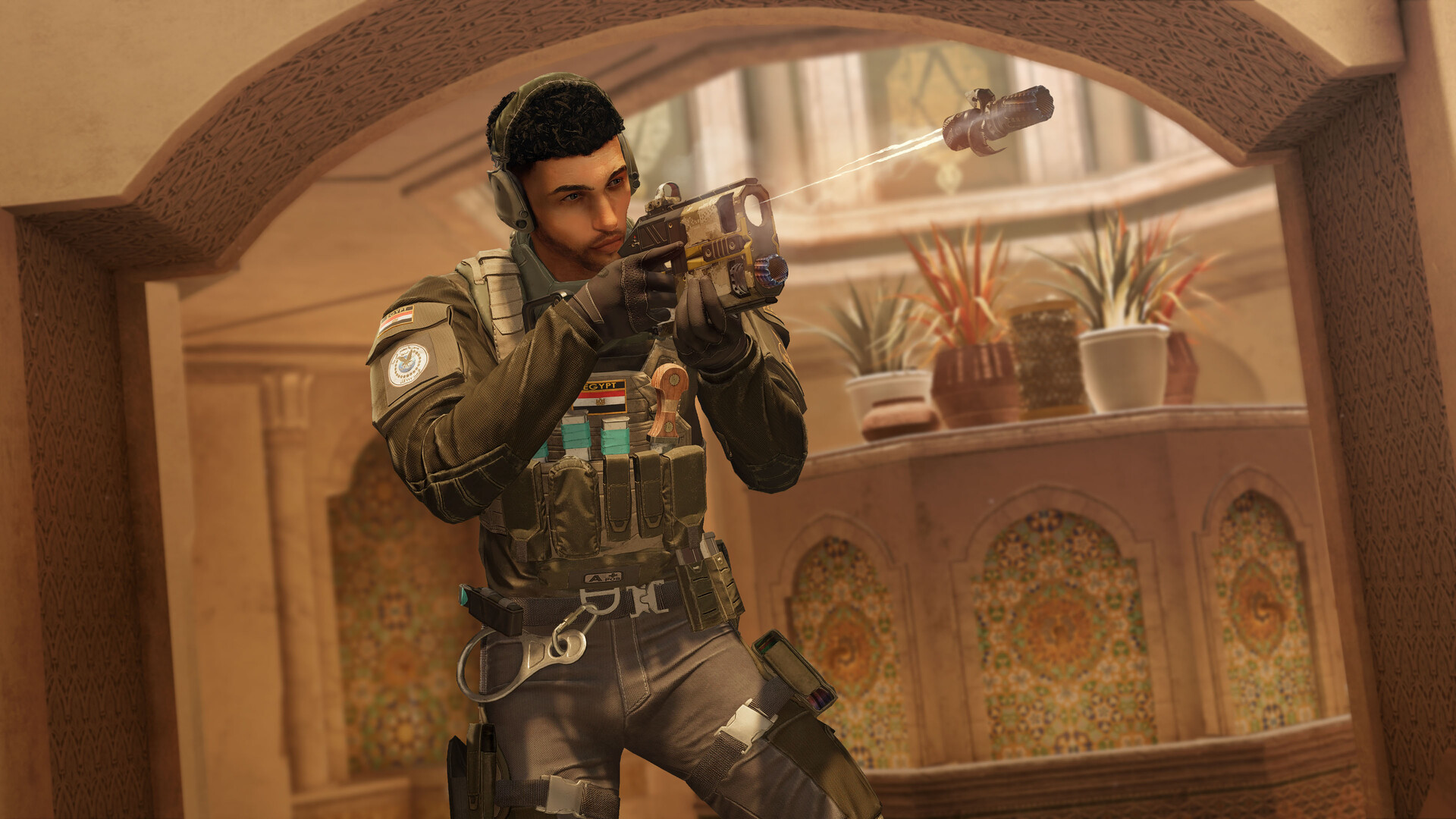
A Rainbow Six Siege round can look quiet right up until several things happen at once. A drone disappears, a wall opens and the attackers suddenly need to act. Following the decisions behind those moments makes the final exchange much easier to read.
The BLAST R6 Osaka Major runs from November 6 to 15, 2026. These ten tactical details give you a way into its matches, from information gathering to protecting a planted defuser. They are viewing cues you can apply as a round unfolds, without needing to know every player or memorise an operator ranking.
Looking for somewhere to start?
- Which drones survive long enough to matter
- What the remaining time is asking the attackers to do
- How the round changes after a successful plant
10. What the operator lineup is trying to achieve
Before following a favourite player, look at the jobs represented by the attacking and defending lineups. Who can gather information, open a reinforced route or help protect the final objective? Treat the selection as a plan you are about to see tested.
An operator choice is easier to understand when connected to the site and the rest of the team. Rather than assuming a familiar name is always the strongest pick, ask which problem that selection is meant to solve in this round.
9. Which drones survive long enough to matter
A drone that spots a defender is useful, but the information does not last forever. Watch whether an attacker can return to a camera for another look, and whether defenders spend time removing that view before changing position.
This gives a quiet part of the round a clear purpose. A destroyed drone may never reach the highlight reel, yet its loss can make the next doorway harder to approach. Compare what a player knows with what the spectator camera has shown you.
8. How defenders make attackers spend time
A defender away from the objective does not have to win a dramatic duel to be useful. Forcing attackers to check another room, clear another angle or revisit an uncertain position can delay the approach to the site.
Follow what happens after that player is discovered. Do the attackers remove the threat, contain it or leave someone watching the route? The interesting exchange is often space and time, with the eventual elimination only one possible outcome.
7. The work behind opening a reinforced wall
An important wall can become a small contest of its own. Attackers want a useful opening; defenders want to keep that route closed or make the attempt costly. Watch the supporting actions around a breach, rather than only the moment the wall opens.
The next question is what the opening buys. Does it create a safer approach, reveal part of the site or force a defender to move? A successful breach matters because of the options it creates, not simply because a gadget was used.
6. Which gadgets are being spent for which result
A team may use one piece of equipment to clear the way for another. When several effects arrive in the same area, look for the sequence: what was removed, what remained and which teammate was able to act afterwards?
This is more useful than counting explosions. Equipment is part of a shared plan, and spending it early changes what remains for the final approach. If a later push looks short of options, think back to what the team had to invest to reach that point.
5. How one floor changes the fight on another
Siege's destructible surfaces make the floor plan more than a flat diagram. An opening above or below a useful position can force someone to move without an attacker walking straight through the nearest door.
When the broadcast changes floors, connect the two views. Who is being made uncomfortable by the angle, and which teammate benefits from that pressure? Remember that destruction does not make every surface passable; a line of sight and a route through a building are different advantages.
4. Whether teammates can answer the first duel
Two players approaching together are not automatically supporting each other. Look at their spacing and sightlines. If the first attacker is eliminated, can the second respond before the defender escapes to another position?
That is the idea behind a trade: a teammate makes the opponent pay for the opening elimination. Follow the response as closely as the first shot. It helps explain why an apparently even exchange may leave one side with a much more useful position.
3. What the remaining time is asking the attackers to do
The round clock gives every earlier decision a consequence. A patient approach can collect good information and preserve players, but the team still needs enough time to turn those advantages into an objective attempt.
As the final approach develops, watch whether players arrive ready to act together or are still solving separate problems. This is where an earlier delay can become visible. A late rush may be the result of pressure applied much earlier, rather than a sudden decision to play recklessly.
2. How the team makes space for the defuser plant
The player attempting a plant depends on more than a clear patch of floor. Teammates need to limit the angles and defensive options that could interrupt the attempt. Follow who is holding space while the objective action begins.
Then look at the defenders' response. Are they challenging the planter directly, attacking the protection around them or waiting for a better opening? Watching the supporting players makes an objective attempt easier to read than following the planter alone.
1. How the round changes after a successful plant
Once the defuser is planted, the problem changes. Defenders need to reach and disable it, while attackers can organise around protecting the device. A position that was useful during the entry may no longer serve the same purpose.
Watch the new sightlines and who is willing to move. The final duel becomes more interesting when you understand what each player must achieve. Follow the objective, the clock and the available route together, and even an unfamiliar matchup becomes easier to enjoy.
Where to go next
If you only follow three things at first, choose the surviving drones, the clock and the change after a plant. The rest becomes easier to connect once those pieces make sense. Our November esports guide covers the wider event calendar. For the basic habits behind these decisions, read our Rainbow Six Siege beginner tips.