Cele mai bune
10 Best Games Like Queen’s Domain
Start with Lunacid for secret-filled dungeons, Dread Delusion for a strange RPG world, or ELDERBORN for first-person melee. Compare ten picks.

 Adaugă Gaming.net la sursele tale preferate pe Google
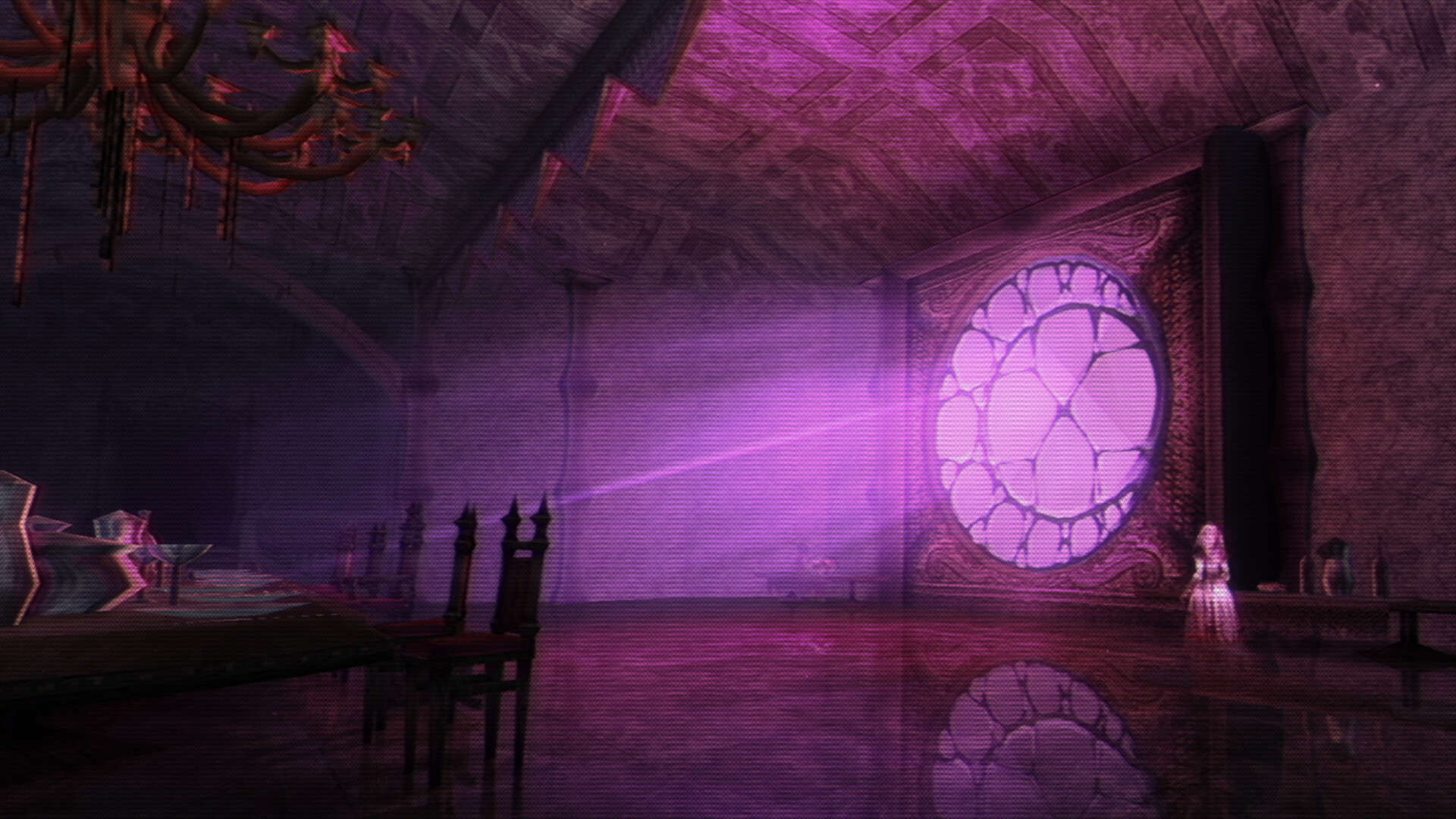
A passage behind a ruined wall can be more tempting than the route you came to follow. Queen’s Domain builds its appeal around that kind of curiosity: an unfamiliar island, first-person fights, and a sword that helps you cross gaps as well as confront what lives beyond them.
These ten games lean into different parts of that appeal. The ranking favors secret-filled exploration and distinctive fantasy worlds, with combat-focused alternatives further down. The play details below refer to the PC editions; every selection is single-player, while GRAVEN also offers online co-op.
Looking for a starting point? Try Lunacid for mysterious dungeons, Dread Delusion for a stranger RPG world, or ELDERBORN for melee combat.
10. AMID EVIL
Best for fantasy weapons and fast movement · PC (Steam) · Single-player
AMID EVIL hands you magical weapons and sends you into levels that look as though an ancient civilization built them for the express purpose of making you feel small. You keep moving, work out which weapon suits the next cluster of enemies, and turn an imposing chamber into a very loud argument.
Its attraction is how much personality those weapons and spaces bring to a straightforward activity: fighting your way forward. Strange architecture gives each new area a reason to exist beyond supplying another room of targets, while the pace rewards committing to an encounter rather than inching through it.
This is a fantasy shooter, so it sits lower here than the more exploratory RPGs. Play it when Queen’s Domain’s unusual world catches your eye but you want faster ranged combat. It offers a different tempo without exchanging fantasy’s oddness for another familiar military corridor.
9. GRAVEN
Best for spells that change the route · PC (Steam) · Solo; online co-op for up to 8
A spell in GRAVEN can help clear an enemy, but it can also charge machinery or turn a river into a crossing. That gives you a reason to look at the scenery before deciding the next problem simply needs more damage.
The exiled priest’s journey connects combat with environmental puzzles and revisiting places with new abilities. A previously awkward area can become useful once you understand how your tools affect it. The pleasure comes from recognizing a possibility in a place you thought you had already figured out.
Choose it for that mix of dark fantasy and practical experimentation. It is more of an action-puzzle adventure than a sprawling conversation-led RPG, and the online co-op gives friends a way into the same strange spaces. You can still play alone if you would rather have the ruins to yourself.
8. Avowed
Best for quest choices alongside spell-and-weapon combat · PC (Steam) · Single-player
In Avowed, investigating an unfamiliar place can turn into a conversation before it turns into a fight. You explore the Living Lands, deal with the people caught up in its troubles, and decide how your character responds rather than simply following a trail of stronger monsters.
Weapons and magic give the action room for experimentation, while companions and quests supply reasons to care about the next destination. The payoff is a fantasy adventure where a new discovery can change your understanding of the people around you as well as improve your equipment.
It belongs here as the larger, more dialogue-driven alternative. If Queen’s Domain makes you want first-person fantasy with more explicit character decisions, this is the direction to take. The solitary mood of an old dungeon crawler is a smaller part of its appeal, which is why the closer exploration matches rank above it.
7. ELDERBORN
Best for learning first-person melee · PC (Steam) · Single-player
ELDERBORN puts an enemy in front of you and makes the space between you matter. You move into reach, commit to a strike, and work out how to survive the response. Its first-person perspective makes a melee encounter feel immediate in a way a distant overhead camera cannot.
Weapons, movement, and enemy behavior give you something to learn between victories. The reward is recognizing a fight that once overwhelmed you and handling it with more control. The fantasy setting supplies the journey, but the next encounter is usually the real reason to keep going.
Put this near the top of your own shortlist if combat is what interests you most about Queen’s Domain. It is a more concentrated action pick than the dungeon crawlers below. For other games that make defensive timing satisfying, see our parry-combat recommendations.
6. Islands of the Caliph
Best for deliberate island exploration · PC (Steam) · Single-player; grid-based movement
Islands of the Caliph asks you to get comfortable with moving through a world one deliberate step at a time. You visit settlements, follow leads, and build a mental picture of islands that become easier to navigate as their routes start making sense.
Its grid-based movement changes the rhythm of a first-person adventure. Position and direction are decisions you feel constantly, which makes understanding a place part of the activity rather than something that happens while you sprint to the next marker. The setting also draws on Middle Eastern folklore and religious traditions, giving the journey a distinct identity.
That movement style is the deciding factor. If you want Queen’s Domain’s free movement and sword-assisted traversal, another entry is closer. If learning a world through careful exploration sounds more appealing than crossing it quickly, this quieter RPG deserves your attention.
5. Northern Journey
Best for an unsettling journey through unfamiliar country · PC (Steam) · Single-player
A path through Northern Journey can lead from a beautiful stretch of countryside to a creature you would strongly prefer not to meet there. Following that path remains tempting because the landscape never feels entirely predictable. You keep moving partly to see what kind of place could be waiting next.
Exploration and encounters sustain that curiosity without leaning on a huge RPG build system. Forests, settlements, and stranger locations give the journey its shape. Finding your way feels rewarding because you are getting to know a particular world, rather than clearing interchangeable pieces of scenery.
Play it for the setting and the unease of discovery. It is an action adventure rather than a substitute for Queen’s Domain’s equipment progression. That distinction works in its favor when you want the same urge to investigate an odd place, with fewer decisions about what kind of character to build.
4. Tainted Grail: The Fall of Avalon
Best for a larger dark-fantasy RPG · PC (Steam) · Single-player
Tainted Grail: The Fall of Avalon gives you an open world full of reasons to leave the obvious route. You investigate a decaying version of Arthurian legend, take on quests, and develop a character capable of dealing with the trouble you uncover.
The scale is the attraction. First-person exploration sits alongside character-building and decisions about the people you meet, so an outing can provide a new weapon, another story thread, or a different understanding of the place. The world gives your progress context beyond being ready for the next fight.
Choose it when you want Queen’s Domain’s fantasy-RPG side expanded into a bigger undertaking. Its visual style and structure differ from a compact retro dungeon crawler. You are here for a world to spend time in and a role to develop within it, rather than the closest possible match to an older console aesthetic.
3. Monomyth
Best for experimenting with dungeon routes and objects · PC (Steam) · Single-player; Early Access
A closed door in Monomyth gives you several things to consider. You can look for another route, work with a lock, or see what the surrounding objects allow. Even baking bread belongs to a dungeon where interacting with the place is part of the point.
Lysandria connects towers, caverns, passages, and peaceful inhabitants into a fortress worth investigating. Keywords shape conversations, while weapons, magic, and character skills give you different ways to handle its dangers. Discovering a useful interaction can feel as valuable as discovering another piece of equipment.
It ranks this high for players who want to poke at a dungeon’s possibilities rather than follow a single obvious solution. Monomyth is in Early Access, so buy for the content its current build provides. The appeal is already clear: a fantasy underworld that rewards asking what else might work.
2. Dread Delusion
Best for strange places and RPG discovery · PC (Steam) · Single-player
Dread Delusion sends you across floating islands where a new settlement is worth visiting just to find out who could possibly live there. You follow quests, build your character, and meet people whose problems make the setting feel stranger rather than easier to explain.
Its low-resolution presentation does a lot with shape, color, and imagination. Exploration keeps supplying reasons to wonder what is beyond the next stretch of landscape, while the RPG structure lets your decisions become part of the trip. Curiosity has somewhere to go besides another fight.
This is the recommendation for someone drawn to Queen’s Domain’s unfamiliar world as much as its weapons. It earns second place by making discovery feel like the purpose of the adventure. Go in ready to follow an odd lead and allow the place to surprise you.
1. Lunacid
Best for secret-filled first-person dungeons · PC (Steam) · Single-player
Lunacid makes an unpromising corner look worth a second visit. Its underground world is full of peculiar residents, passages, spells, and things you will want to understand before you feel entirely comfortable standing beside them. Following your curiosity is the activity that holds it together.
Equipment and combat give discoveries practical value, but the surroundings are what keep the next doorway interesting. The old-console look makes the dungeon feel distant and unfamiliar without needing a long explanation every time you enter an area. Learning where things connect becomes its own kind of progress.
It takes first place because atmosphere, exploration, and first-person adventuring support the same urge to keep looking. Start here if the secrets and interconnected spaces of Queen’s Domain are what sold you on the idea. A useful new weapon is welcome; finding somewhere you had no idea existed is the real prize.
Start with Lunacid if finding the next hidden route is the main attraction. Dread Delusion gives you more people and peculiar places to investigate, while ELDERBORN gets straight to the pleasure of learning a fight. For a wider selection of adventures, our best RPGs on PC has more places to get pleasantly lost.