Tốt nhất
10 Best RPGs With Job Systems
Build a flexible party in ten RPGs with memorable job systems, from Final Fantasy V and Bravely Default II to Metaphor: ReFantazio.

 Thêm Gaming.net vào các nguồn ưu tiên của bạn trên Google
A new job can change more than the name beside a character’s portrait. Give a fighter a spell, move a healer into another role or find two abilities that work beautifully together, and a familiar party starts asking different questions.
These RPGs make that experimentation worth your time. The ranking weighs freedom to combine roles, how clearly the system teaches its possibilities and how much those choices matter in play. That includes classic jobs, modern Archetypes and an action RPG where you can switch roles during a fight.
Looking for somewhere to start?
10. Crystal Project
For explorers who like planning a party · PC · Solo
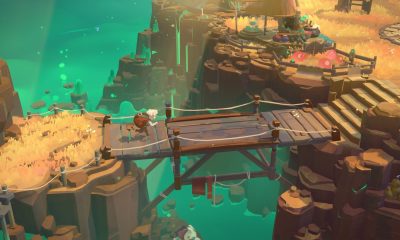
A ledge across the valley can be as tempting as the next boss in Crystal Project. Your party sets out to find crystals in Sequoia, but the world leaves plenty of room to wander, jump over gaps and investigate places that look slightly out of reach.
Crystals unlock classes, and a character can combine a main class with a subclass and selected passive abilities. Battles show useful information, including turn order and enemy intentions, so changing a build feels like answering a problem rather than guessing at hidden numbers.
That connection between exploration and party building is the attraction. Take an unusual route, find a new option and return to a difficult fight with a different plan. The platforming asks for more patience than a traditional menu-led RPG, though the discoveries give it a character of its own.
9. FINAL FANTASY XII THE ZODIAC AGE
For programmable party tactics · The Zodiac Age edition on PC and consoles · Solo
Vaan gets caught up in a struggle over the occupied kingdom of Dalmasca, and the journey soon becomes much bigger than his plans to become a sky pirate. Final Fantasy XII gives that adventure a party you can shape through the Zodiac job system.
The Zodiac Age lets each character pair two jobs, combining licence boards to open different equipment and abilities. A sturdy front-line fighter might gain useful magic, while another pairing could give a healer more ways to survive. Gambits then turn those choices into ordered instructions for the party.
The pleasure is in getting a team to work together without issuing every command yourself. You can still intervene, and tougher encounters give you reasons to rewrite the rules. It is an especially good match for players who enjoy preparing a strategy and watching the pieces respond.
8. DRAGON QUEST III HD-2D Remake
For a classic party-building journey · HD-2D Remake on PC and consoles · Solo
Leaving Aliahan to follow in your father’s footsteps is a wonderfully direct beginning. Dragon Quest III then lets you decide who comes along, with recruited companions filling the gaps around your hero as you travel through towns, dungeons and a much wider world.
Vocations determine what those companions can do, and changing vocation later opens a longer project. A character returns to a lower level but keeps learned abilities and spells, letting you build on earlier training. The remake’s Monster Wrangler adds another reason to look beyond the most familiar party choices.
A new vocation needs time to grow, so swapping is a decision you prepare for. That makes each character feel like an investment across the journey. The straightforward battles and clear party roles are welcoming if sprawling skill trees usually put you off.
7. STRANGER OF PARADISE FINAL FANTASY ORIGIN
For switching roles during action combat · PC and consoles · Solo or online co-op
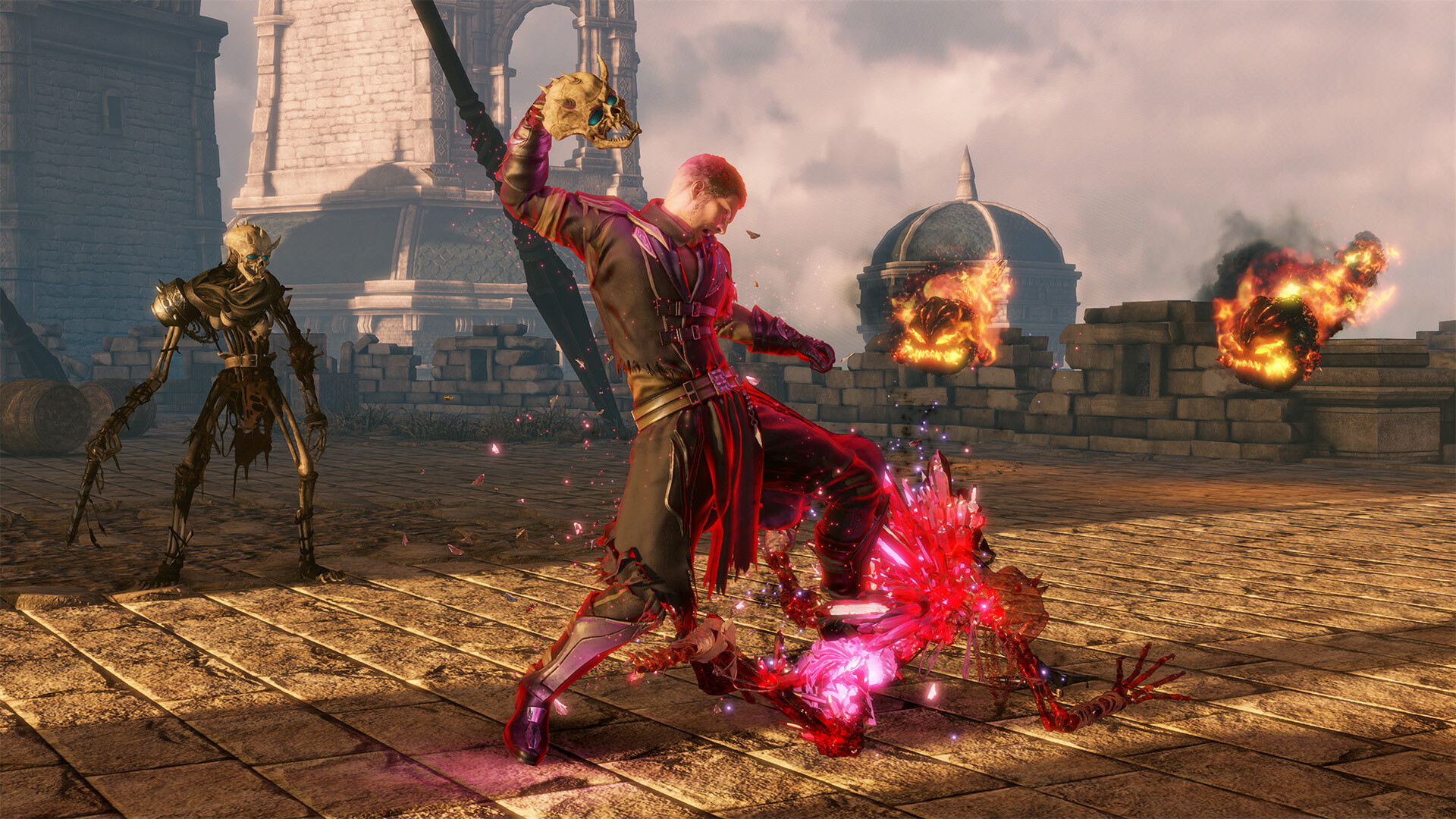
Jack arrives in a troubled kingdom with a single-minded determination to defeat Chaos. Stranger of Paradise takes that familiar Final Fantasy language and puts it into close, aggressive action battles, where an enemy’s break gauge can matter as much as its health.
You equip two jobs and switch between them in combat. Weapons, action abilities and job progression give those slots distinct purposes: one setup can pressure an enemy, while the other provides a different range or a response when the fight changes. Advanced jobs give you more combinations to work towards.
This is the choice for players who want to feel a class change through their hands immediately. Equipment sorting can become a sizeable side activity, but the central idea stays satisfying: learn a role, bring a complementary one and find the moment to switch.
6. Yakuza: Like a Dragon
For characterful turn-based jobs · PC and consoles · Solo
Ichiban Kasuga comes out of prison expecting to find his place again and instead has to rebuild his life in Yokohama. His enthusiasm for RPG heroes turns an unlikely group of friends into a party, complete with everyday professions reimagined as battle roles.
Jobs such as Chef, Musician and Host change a character’s weapons and skills, giving the turn-based fights a cheerful theatrical streak. Some learned skills can carry into other jobs. Access also depends on the character and particular requirements, so this is not a system where everyone can equip every profession.
The jobs suit the game’s mixture of social setbacks, sincere friendship and absurd street battles. Trying a new role can reveal a useful team combination, but it also gives a familiar companion a fresh personality in combat. Start here when a memorable cast matters as much as optimisation.
5. OCTOPATH TRAVELER II
For mixing character identities with secondary jobs · PC and consoles · Solo
Octopath Traveler II follows eight travellers with separate reasons to leave home, from a dancer looking for a larger stage to a scholar pursuing a personal mystery. Their stories supply the context, while the job combinations give you reasons to keep rearranging the travelling party.
Each hero retains a primary job and can equip a secondary one. That adds weapon coverage and skills without erasing their original identity. Breaking enemy shields and saving Boost points make those extra options meaningful: a new weapon type can open the turn your strongest attack needs.
Support skills learned through job progression encourage experimentation beyond an obvious healer-and-fighter split. There is enough structure to keep characters recognisable and enough freedom to surprise yourself. It is a strong middle ground between a fixed cast and a completely blank party sheet.
4. BRAVELY DEFAULT II
For combining active jobs and passive abilities · PC and Nintendo Switch · Solo
Four travellers come together around the search for stolen crystals, giving Bravely Default II the familiar shape of a traditional fantasy adventure. The surprises come from the Asterisks you collect, which turn defeated job holders into new possibilities for your own party.
Characters equip a main job and a sub-job, then draw on passive abilities learned through training. That opens combinations which go well beyond assigning one person to heal. The Brave and Default commands add another layer by letting you save turns or spend future actions early.
Building the party and deciding when to commit are closely linked. A spectacular burst means little if everyone is left exposed afterwards. Players who enjoy finding a clever interaction, adjusting it after a difficult fight and eventually making it click will have plenty to work with here.
3. FINAL FANTASY TACTICS – The Ivalice Chronicles
For job systems built around tactical positioning · The Ivalice Chronicles on PC and consoles · Solo
Ramza’s place in a noble family does little to protect him from the conflicts spreading through Ivalice. Final Fantasy Tactics puts that political fantasy on small battlefields where elevation, distance and the abilities you brought all affect the next decision.
Units earn job points and progress through an interconnected set of professions. Abilities learned in one role can support another, so training a character is a long-term project rather than a series of disposable upgrades. A useful support ability can influence a build well after its original job leaves the main slot.
The Ivalice Chronicles offers an enhanced version alongside a classic version, giving this demanding strategy RPG a more approachable route in. Its jobs rank so highly because the combinations change how you use the map. A party can have excellent skills and still need a better position.
2. FINAL FANTASY V
For a wonderfully flexible traditional job system · Pixel Remaster on PC and consoles · Solo
Bartz begins as a traveller, then finds himself drawn into a crisis surrounding the world’s crystals. Final Fantasy V keeps the adventure lively with an eccentric party and a job system that is happy to let your plans become a little unreasonable.
Characters learn abilities as they gain experience in jobs, then carry selected tools into other roles. Training a mage can therefore matter after you change their outfit and weapon. The Freelancer also rewards the work you have put into mastering jobs, making apparently separate experiments part of a larger build.
There is a lovely rhythm to trying something, discovering an interaction and imagining what could come next. You do not need a perfect party to enjoy that process. Few RPGs make a change of profession feel so immediately understandable while leaving this much room to tinker.
1. Metaphor: ReFantazio
For flexible roles tied to a character-driven journey · PC, PlayStation and Xbox editions · Solo
A young traveller enters a contest for the throne of a divided kingdom, where the people you meet matter as much as the battles ahead. Metaphor: ReFantazio turns those relationships into Archetypes: combat roles that companions can study instead of remaining locked to one profession.
Archetypes cover familiar jobs such as physical attacker, healer and mage, then develop into more specialised options. Inherited skills help fill gaps, while Synthesis attacks make party composition a shared decision. Spending the journey’s limited time on a relationship or training choice feeds into what the group can bring to battle.
It takes first place because experimentation belongs to the whole adventure. A new role is something to earn, understand and fit around your companions, rather than just another menu unlock. The result is a job system with both tactical purpose and a strong connection to the people travelling with you.
Where to begin
Start with Metaphor: ReFantazio for a job system tied to a character-driven journey, Final Fantasy V for classic flexibility or Stranger of Paradise for immediate action. Our Infinite Wealth job guide explores another take on everyday professions. For battles that add a more active input, see our turn-based RPGs with timed combat.