Reviews
Mafia Series Review (Xbox, PlayStation & PC)


Mafia is a natural-born master in the art of pacing—phenomenal, even, in that it never tries to drag you to the climax, but instead dangles a carrot on the end of a stick and keeps you strafing forward, to another beat, another cinematic twist, or a crossroad that takes you to a whole other layer beneath the heart of the criminal underworld. It isn’t the sort of series to openly remove crucial details from the experience to illuminate the action; on the contrary, it’s a series that loves to build suspense and keep you at the center of a world where you grow alongside the surroundings. To that end, Mafia isn’t your high-octane third-person shooter, but a slow-paced theatrical experience with organic chemistry, quality dialogue, and a pace that feels believable and engaging. I suppose, when all’s said and done, it’s a one-of-a-kind saga that sets the standard for interactive storytelling.
For a series that builds its quarters around criminality and conviction, family values and ominous practices, Mafia doesn’t delve all that deeply into an action-oriented culture. Instead, what Mafia does is pepper its questionable roots with a cinematic approach and a good old-fashioned dynamic mission format. While it does feature combat and the occasional shootout, at no point has it ever put bullets and brawn over its signature style—a clean, movie-like design that favors palpable characters and authentic dialogue. And that, really, is what Mafia does best: it balances the scales to make each chapter feel more like a noir movie than a half-baked shooter, with a stronger leniency to its character development and world-building elements than a bog-standard shoot-and-shuffle progression system. Mafia III might have lost sight of that in its attempt to reinvent the wheel and drive more towards an action-focused open-world experience I’ll admit — but the signature details remained as ironclad as ever.
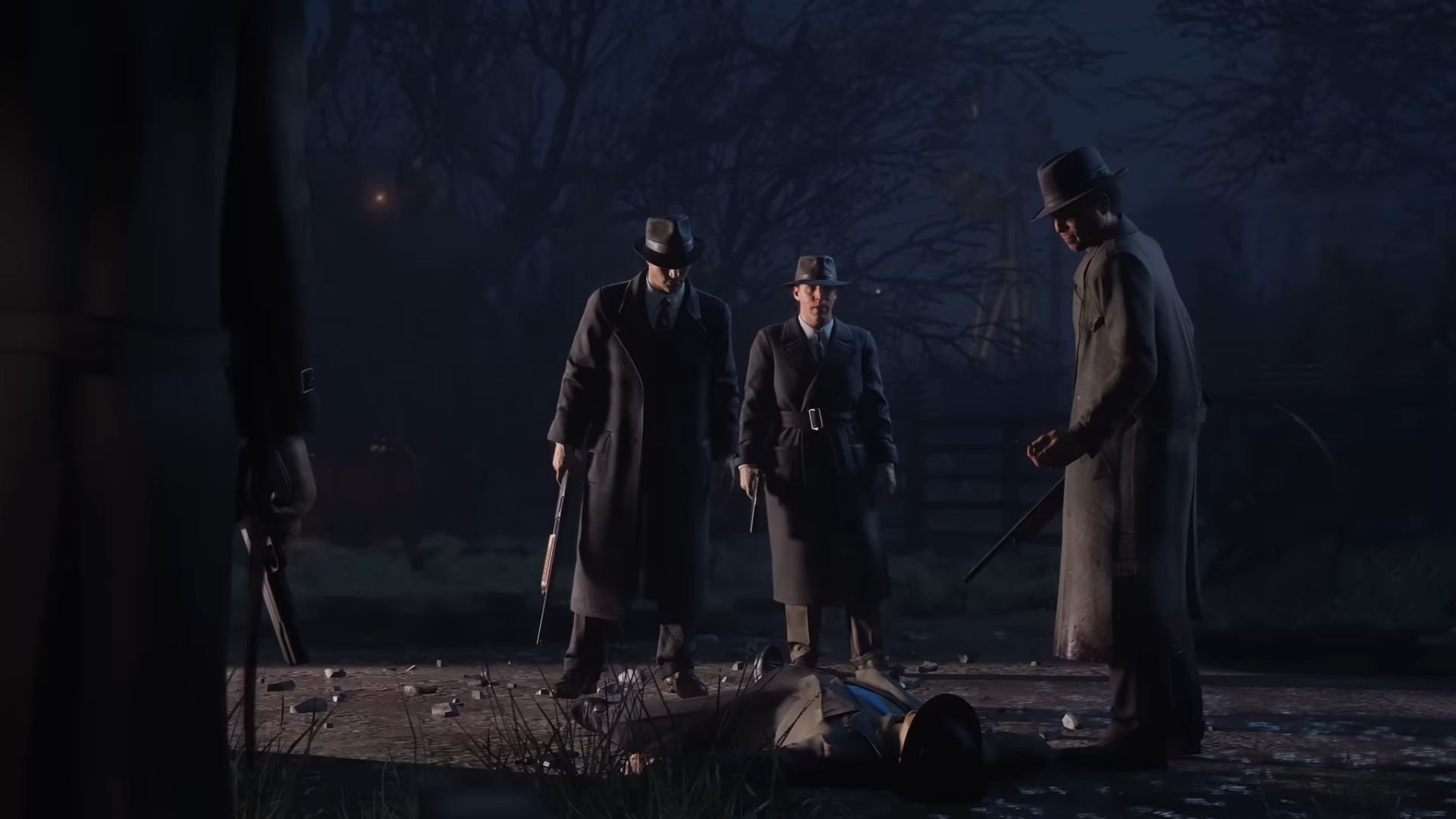
Before Lincoln Clay stormed New Bordeaux to take the bull by the horns and pivot the series into a new world of open-ended missions and choice-driven interludes, Mafia was known for its short yet powerful storylines, its condensed yet jam-packed cityscapes and its rich character development. Although without the weight of a huge sandbox or the option to expand and tailor an empire from the apex, both Mafia and its sequel did contain a huge amount of content and post-launch DLC, along with smooth, original, and immersive gameplay that could give you the sense that you were a small cog on the big wheel, and not, for example, a generic main character on a vengeful quest to eradicate the world and all its tyrants. This isn’t a poke at Mafia III, mind you; it’s acknowledging the fact that there are two completely different games here, both of which have their own distinct strengths and weaknesses. The question is, which of the two makes for a better experience?
If you’re looking for a story-driven action-adventure game that favors smooth progression and theatrical cuts over wall-to-wall combat and nonlinear gameplay facets, then the first two installments in the series are sure to give you the tools needed to wax an itch. That said, if it’s an open-world action game that you’re looking to throw your cash at, then Mafia III ought to make for a perfect alternative. The problem is, where Mafia III provides more content and room for growth, it also fails to deliver an intimate storyline with solid character development and progression. It’s an easy gig to unwind to, but at no point does it do enough to pique your interest or give you something to think about. That, in short, is where Mafia and its sequel enter the conversation.
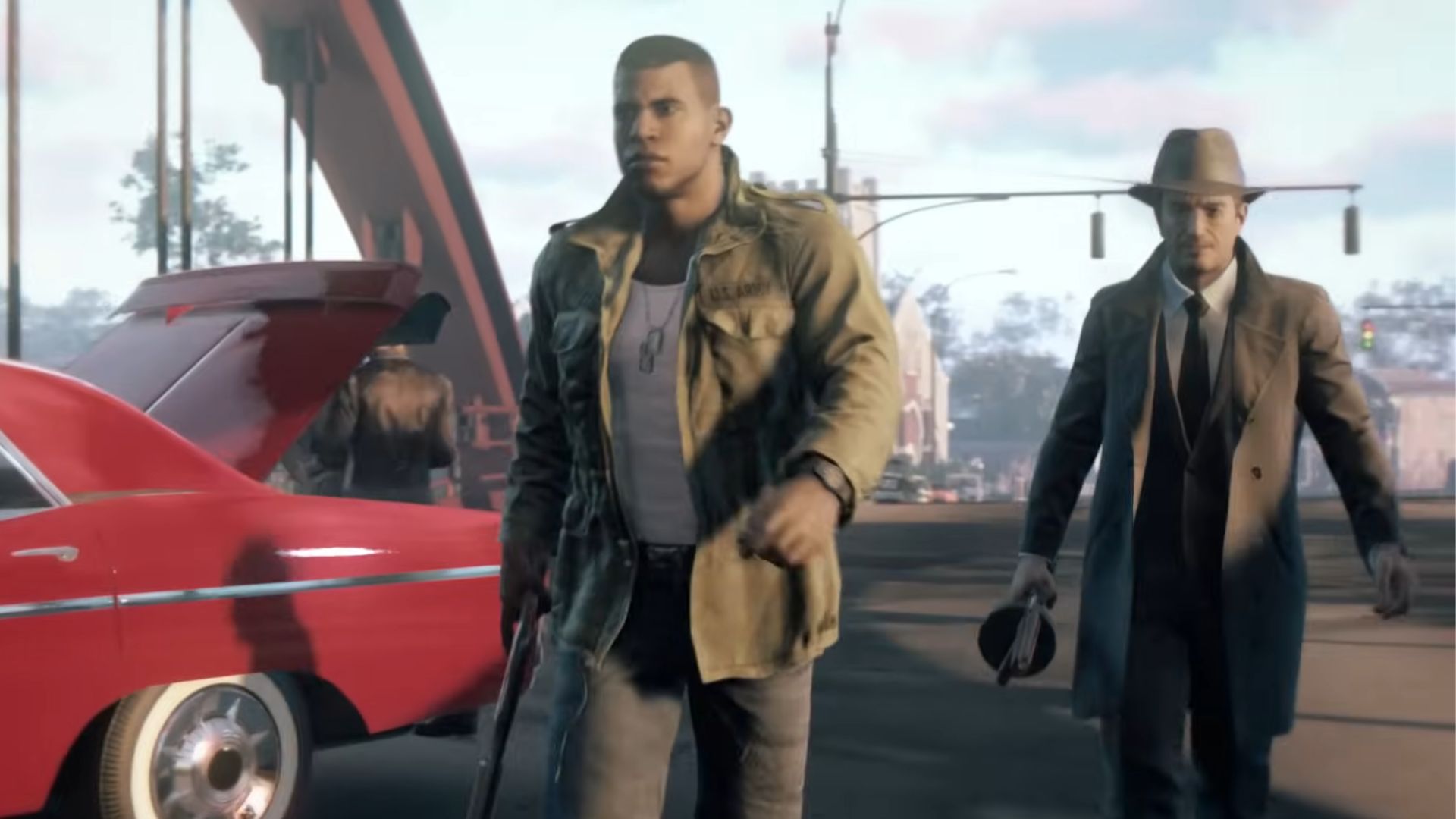
To put it simply, Mafia has two different sides, both of which incorporate their own brand of gameplay and ideology. The facet that each chapter resonates with, however, is the theme. Although set across different eras involving American and Italian cultures, the series has kept to the traditional underdog format—the plot that mostly follows an unlikely antagonist as they either move up and ultimately monopolize the criminal underworld, or fight tooth and nail to shed their looming shadow in a pursuit to remove the binds that tie them to a life of crime. Thanks to 2K and its natural ability to capture these struggles and fleeting moments, Mafia has always been more than capable of reflecting an organic reality with near-perfect chemistry between its protagonists and antagonists. And that’s putting it lightly.
In addition to having some excellent storylines and a plethora of instantly recognizable characters, Mafia has also kept to a strict standard for its audiovisual storytelling style. With cities and boroughs, suburban streets and countryside landmarks all possessing an enormous share of detail and polish, 2K has, in all honesty, been able to retain its position as something of a torchbearer in the action-adventure genre. Heck, if it wasn’t for the infamous racing chapter in the first chapter, then I’d be more than happy to give it bonus points. If you know, you know.
Verdict

Mafia delivers a masterclass in cinematic storytelling and pacing, with its strong characterization and fluid plot points attributing a phenomenal experience that feels both immersive and rewarding for all the while you don the tie and adversely monopolize the era. Although vastly different in terms of settings, tones, and mission formats, each chapter in 2K’s faithful saga has certainly kept a firm hold on the essence of Mafia’s most beloved qualities, with each segment containing a stellar backdrop that fits the criminal narrative remarkably well, as well as an organic feel that comes across as both believable and grounded.
As a series, Mafia certainly has that wow factor—that theatrical appeal that you can’t help but subject yourself to in order to feel like a spectator in a world where climaxes stretch beyond standard gameplay practices. To that end, it feels like an incredibly easy series to scoot into the spotlight. If you’re still unsure where to plant your first seed, though, then take it from me. If you want the best Mafia experience, then consider starting with the second installment and working your way around. If you would prefer to jump into the action and experience an open-world journey, then New Bordeaux will surely accommodate your needs.
Mafia Series Review (Xbox, PlayStation & PC)
The Art of Pacing
Mafia delivers a masterclass in cinematic storytelling and pacing, with its strong characterization and fluid plot points attributing a phenomenal experience that feels both immersive and rewarding for all the while you don the tie and adversely monopolize the era. Although vastly different in terms of settings, tones, and mission formats, each chapter in 2K’s faithful saga has certainly kept a firm hold on the essence of Mafia’s most beloved qualities, with each segment containing a stellar backdrop that fits the criminal narrative remarkably well, as well as an organic feel that comes across as both believable and grounded.



